

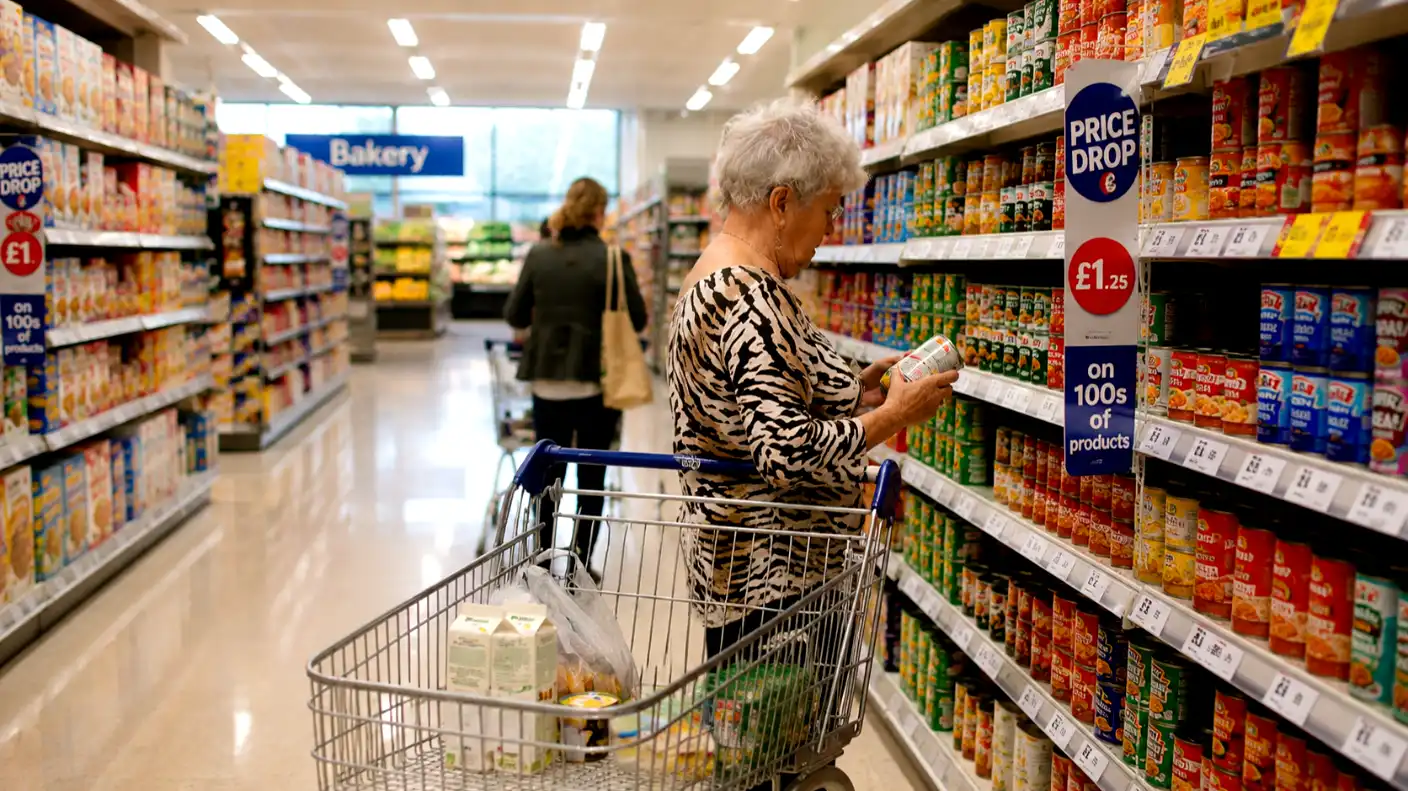
US consumer prices climbed rapidly throughout April. The ongoing war in Iran has severely disrupted global supply chains and driven fuel and food prices much higher. The US government released data on Tuesday revealing the heavy financial toll these global conflicts impose on everyday Americans. The numbers show a stubborn inflation problem that refuses to go away, putting immense pressure on household finances across the nation.
The Consumer Price Index measures how much people pay for a specific basket of everyday goods and services. This critical index showed that prices rose 3.8% compared to exactly one year ago. This troubling figure marks the largest annual inflation increase in three straight years. Overall, prices jumped 0.6% from March to April. Soaring energy costs drove almost all of this recent monthly price spike, shocking many financial analysts.
Financial experts hoped for slightly better news before the government published the report. Bloomberg surveyed economists who originally predicted a lower annual rise of 3.7%. They did accurately guess the 0.6% monthly increase. March had already shocked financial markets by recording the biggest monthly price jump since 2022. April simply proved that March was not a fluke, and prices continue to march relentlessly higher despite previous efforts to cool the economy.
Energy costs inflict the most damage on family budgets right now. The government report showed energy prices soaring 3.8% in April alone. This painful increase followed a massive 10.9% jump during March. When analysts look at the full year, the overall energy index is currently 17.9% higher. Gasoline leads this category, with pump prices exploding by 28.4% over the past 12 months as international oil markets react to the war.
Some economists prefer to look at core inflation, which strips out wild swings in food and fuel prices to find the underlying trend. However, even these core numbers look bad. The core price index rose 2.8% from a year ago and ticked up 0.4% from March. Both of these core figures beat Wall Street estimates. Economists had only expected a 2.7% yearly increase and a smaller 0.3% monthly rise.
Financial experts see strong warning signs in these latest data releases. George Bory serves as the chief investment strategist for fixed income at Allspring Global Investments. He told Yahoo Finance on Tuesday that inflation remains on a clear and dangerous upward path. He warned investors that the current price trends show absolutely no signs of turning around anytime soon, signaling more trouble ahead for the economy.
This harsh economic reality creates daily struggles for hard-working families. Heather Long is the chief economist at Navy Federal Credit Union. She posted on the social media platform X that these constantly rising costs directly hurt average Americans. She emphasized that moderate-income households feel the most pain right now. These families must spend a much larger chunk of their total paychecks on necessities like gas, rent, and food.
Drivers feel this financial pain every single time they fill up their cars. Data from AAA shows average gasoline prices sitting firmly above $4.50 per gallon across the country. Just four weeks ago, drivers paid a national average of only $4.13. These high fuel costs also force major airlines to charge travelers much more for tickets. Airfares jumped 2.8% from March and sit a full 20.7% higher than they did last year.
Families also face intense sticker shock when they visit the local grocery store. Overall, food costs rose 3.2% from a year ago. Meat prices keep climbing rapidly every single month, forcing shoppers to make tough choices at the meat counter. Beef and veal prices rose 2.7% from March. Meanwhile, the price of cheap household staples like hot dogs soared an incredible 5.8% in just one month.
The fresh produce section offers no financial relief for tight household budgets. Tomato prices surged a massive 15.1% in just four weeks. Shoppers now pay almost 40% more for tomatoes than they did exactly one year ago. Shelter costs also increased, rising 0.6% from March. Analysts expected this specific jump because reporting distortions connected to last year’s government shutdown affected the data. Bory pointed out that housing costs stay stubbornly high, taking a massive chunk out of consumer budgets and leaving little room for extra spending.















