

The United Kingdom promised on Tuesday to deploy high-tech autonomous vessels to protect the Strait of Hormuz. Defense Secretary John Healey announced the country will provide new British-built uncrewed surface vessels to a joint maritime security mission led by the UK and France. However, this deployment strictly depends on the warring parties reaching a stable and lasting ceasefire in the Middle East.
The Strait of Hormuz serves as a vital artery for global energy, handling almost 20% of the world’s daily oil consumption. Recent conflicts have effectively choked this route, forcing shipping companies to take much longer paths around the globe. Industry experts estimate these massive detours have increased global freight costs by roughly 45% and cost the international economy more than $2.5 billion every single month. Downing Street spokespeople made it clear on Tuesday that opening the Strait remains their top priority to resume normal trade.
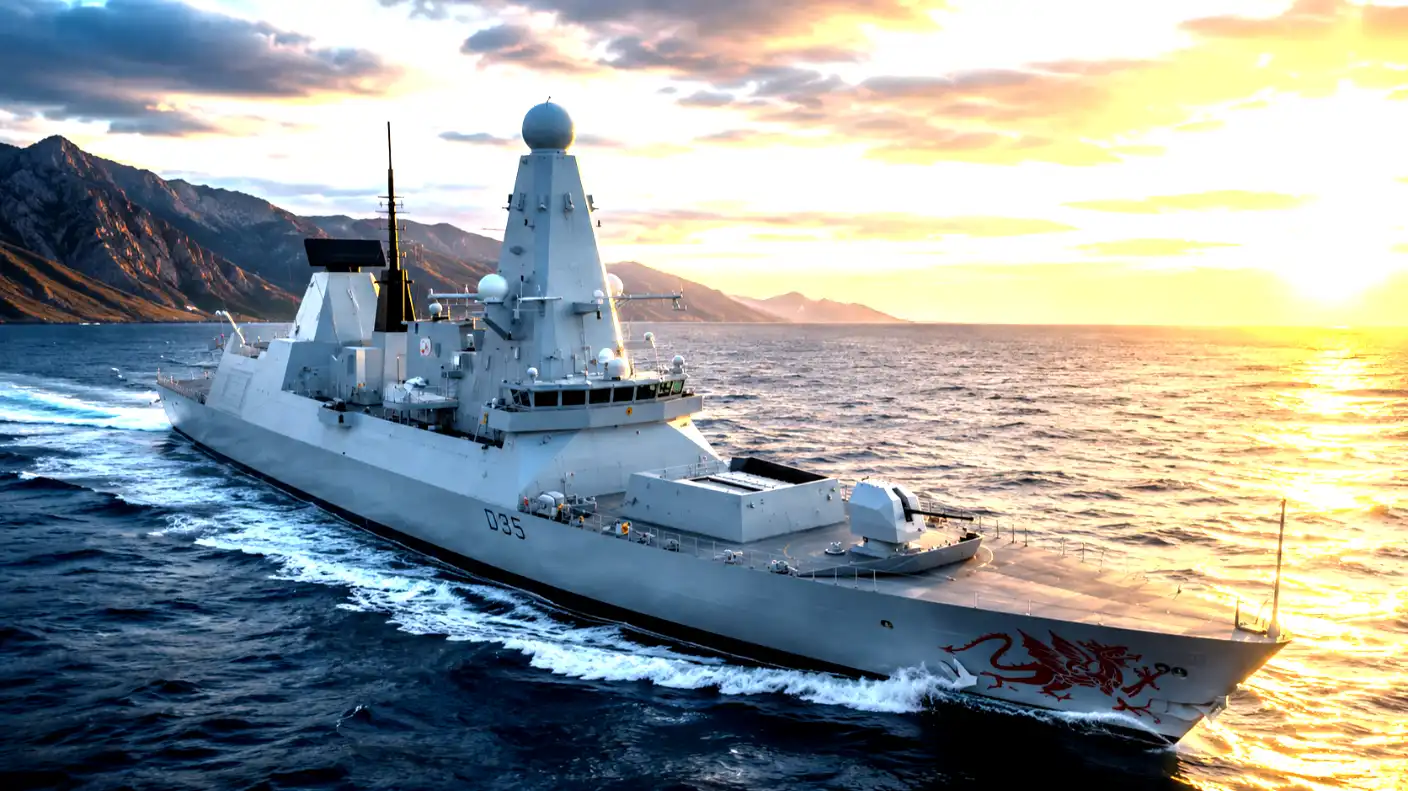
To back up this mission, Healey confirmed the military will send several expensive assets. The new surface drones will join existing British autonomous minehunting systems already operating in the region. Furthermore, the Royal Navy will deploy HMS Dragon, a heavily armed Type 45 destroyer. This warship carries a crew of nearly 200 sailors and represents a $1.3 billion investment in naval defense. Officials hope this combined force of traditional warships and modern drones will reassure international shipping companies that the waters are safe to navigate once the shooting stops.
However, this bold foreign policy move happens against a backdrop of severe political chaos in London. Prime Minister Keir Starmer faces a massive threat to his leadership from inside his own ranks. Over 45 Labour Members of Parliament have publicly demanded his resignation over the past week. Many political insiders point to a recent 12% drop in his public approval ratings, which has panicked party members as they worry about upcoming local elections.
Despite the growing noise, Starmer flatly refused to discuss his own political survival during a crucial Cabinet meeting early Tuesday morning. He ordered his ministers to ignore the party rebellion and focus entirely on the massive economic fallout caused by the ongoing war in Iran. Starmer told his team they must project strength and show the public they are managing the immediate security challenges rather than fighting internal political battles.
Defense Secretary Healey stepped in to publicly defend the Prime Minister. He took to the social media platform X to offer Starmer his full backing. Healey wrote that regular people worry about current conflicts and looming global crises, not party politics. He insisted the public expects their government to lead the country through difficult times, and he praised the Prime Minister for doing exactly that. Healey warned his colleagues that causing more instability does not serve British interests right now.
The success of the UK naval plan ultimately relies on a major diplomatic breakthrough between the United States and Iran. Right now, that breakthrough looks incredibly unlikely. The British offer requires a durable ceasefire before the drones and ships begin their patrol mission. Without an absolute end to the hostilities, the UK and French forces cannot safely secure the shipping lanes.
Diplomats saw a brief glimmer of hope when Iran sent a formal counteroffer to the United States on Sunday. Iranian officials outlined their specific demands to end the war and reopen the Strait of Hormuz to commercial vessels. International observers waited anxiously to see how the American leadership would respond to the document.
President Donald Trump immediately shattered those hopes on Monday morning. He aggressively rejected the Iranian proposal during a public address. Trump described the ceasefire conditions as unbelievably weak and totally unacceptable. He went even further, dismissing the entire diplomatic document as garbage. His fierce rejection effectively slammed the door on any immediate peace talks.
This diplomatic failure leaves the British government in a difficult waiting game. They have readied a fleet of advanced drones, which cost the Ministry of Defense nearly $45 million to develop over the last 3 years. The Royal Navy stands ready to launch these vessels to protect billions of dollars in global trade. Yet, they cannot move until the larger powers actually agree to stop fighting.
Prime Minister Starmer now finds himself trapped between two massive conflicts. At home, he must figure out how to quiet the dozens of angry lawmakers trying to force him out of his job. Abroad, he must wait for the United States and Iran to find common ground before his military can execute its new mission. For now, the vital shipping lanes remain dangerously quiet, and global trade continues to suffer the expensive consequences.















