

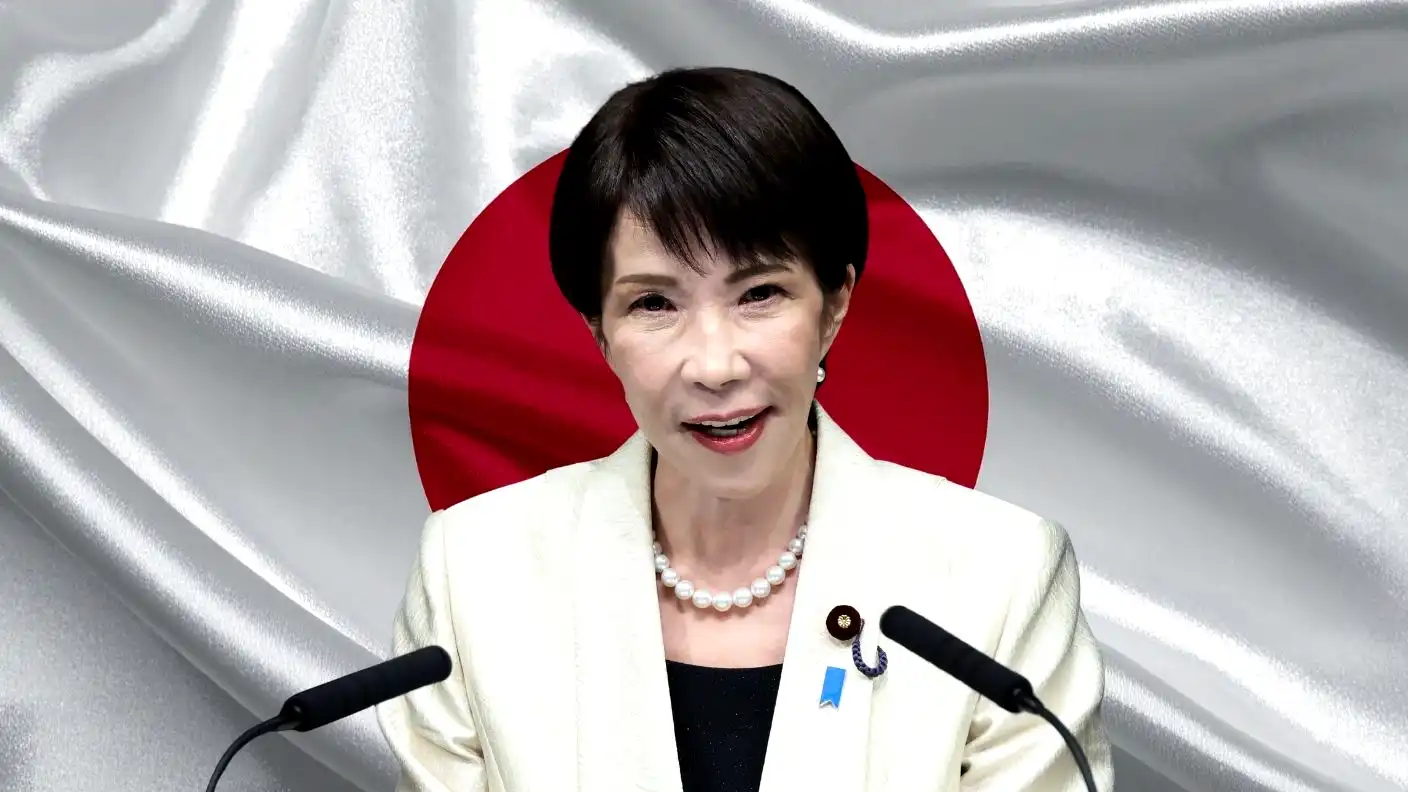
Japanese Prime Minister Sanae Takaichi faces a new political headache this week. Voters are losing faith in her cabinet as concerns grow about a major shortage of raw materials for manufacturing. A new weekend poll shows her approval rating dropped exactly 2.5 percentage points. Her cabinet now holds a 61.3 percent approval rating. The sudden drop directly connects to the ongoing conflict in the Middle East and its harsh impact on global oil supplies.
Kyodo News conducted a comprehensive 2-day telephone survey starting on Saturday. The results paint a clear picture of public anxiety. Exactly 70.6 percent of respondents to the phone survey expressed deep concern about disruptions to supplies of petroleum-derived naphtha. Citizens see the war overseas and worry that vital shipping lanes will close, cutting off Japan from the fuel and chemicals it desperately needs to keep its factories running.
Naphtha plays a significant role in the daily lives of Japanese citizens, even though most people never buy it directly. Refineries process this heavy hydrocarbon mixture into ethylene and other base chemicals. Manufacturers then use those chemicals to create a massive variety of everyday consumer products. Without a steady supply of naphtha, factories cannot produce plastics, building insulation foam, industrial adhesives, or even the chemical solvents used in printing ink.
The medical field also relies heavily on these specific oil derivatives. Hospitals and clinics need millions of sterile plastic syringes and intravenous fluid bags every single month. Any disruption to the naphtha supply chain could eventually threaten the national healthcare system. This terrifying possibility keeps voters on edge and forces the government to scramble for alternative supply routehas s.
The shortage already forced major Japanese food companies to change how they do business. Household names like the snack maker Calbee Inc. and the food and beverage company Kagome Co. had to alter their daily operations. These popular brands recently started selling some of their most famous products in simplified packaging. They simply cannot find enough raw plastic film to maintain their normal, elaborate package designs.
Everyday shoppers notice these packaging changes on their local supermarket shelves. Seeing major brands struggle to find plastic creates a very real sense of panic among consumers. Many people fear that other daily necessities will soon disappear from stores. This fear sparked a sudden rush on basic household items, prompting politicians to step in and calm the public.
Environment Minister Hirotaka Ishihara held a press conference on Friday to address the growing panic. He specifically begged the public to stop hoarding household trash bags. Shoppers realized that trash bags consist almost entirely of thin plastics, so they started buying far more boxes than they actually needed. Ishihara asked citizens to remain calm and only purchase what they require for their normal weekly garbage disposal.
The Japanese people want the government to take stronger, more direct action. The Kyodo News poll revealed that an overwhelming 70.5 percent of respondents want national leaders to ask the public to conserve energy. Instead of waiting for factories to run out of materials, voters think the state should implement official energy-saving measures right now in response to the Middle East oil supply shortages.
Despite the very visible changes at the grocery store and the growing public panic, the national government refuses to admit a crisis exists. State officials repeatedly tell the press that Japan will face no actual disruption to its domestic naphtha supplies. Government spokespeople insist that trade negotiators have already secured the necessary volumes of the chemical from alternative global markets.
This massive gap between government promises and daily reality hurts Prime Minister Takaichi the most. When citizens see simplified packaging and hear government officials begging them not to hoard garbage bags, they stop believing the optimistic press releases. Takaichi must find a way to restore public trust and ensure a steady supply of oil products before her approval ratings slide even further down the charts.















