

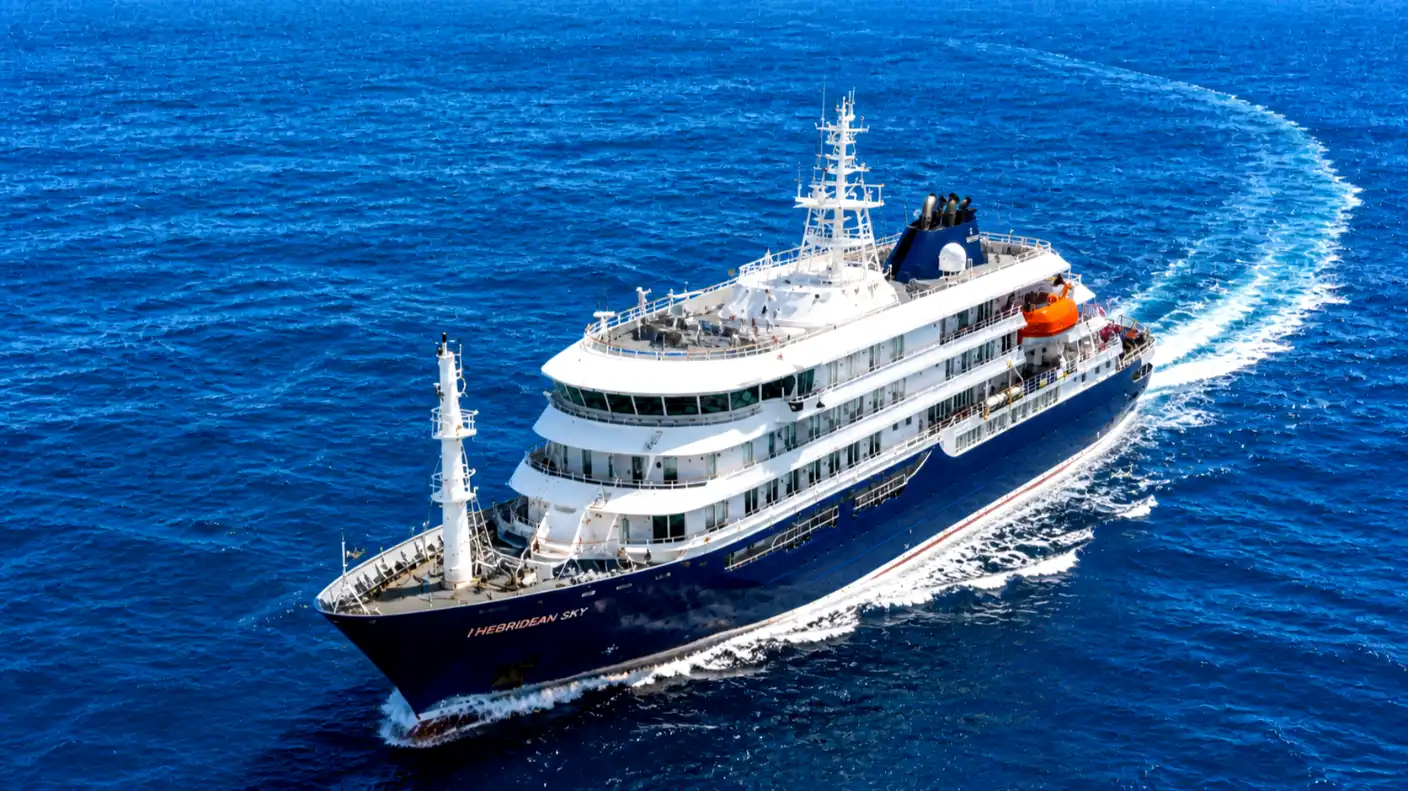
A deadly outbreak on the MV Hondius cruise ship brings new attention to a terrifying health risk. Three passengers recently died after they caught the Andes strain of hantavirus during their ocean trip. The Dutch-flagged vessel carried exactly 450 passengers and 120 crew members when the sickness started to spread rapidly. Health workers quickly rushed to contain the situation as soon as the massive ship reached the port.
Doctors and scientists are now closely reviewing a 2023 medical study to understand the threat. The journal Viruses published this research last year, warning that the virus can remain in a man’s body for many years. The recent passenger deaths on the cruise ship make these older findings much more important for public health teams. These teams work around the clock to stop the virus from spreading further into local communities.
Swiss researchers conducted the 2023 study and focused on a single 55-year-old male patient. This man survived a very severe hantavirus infection nearly 6 years before the doctors tested him again. The doctors found absolutely no trace of the virus in his blood or his urine. However, they discovered active viral RNA living deep inside his semen exactly 71 months after he first got sick.
These strange test results led the medical team to a shocking conclusion about the disease. They realized that a man might spread the virus through sexual contact for almost 6 full years after he completely recovers. Researchers stressed that the medical community needs to invest at least $1.5 million in new studies to understand this long-term danger fully. Right now, doctors do not know exactly how many survivors still carry the deadly virus in their reproductive systems.
The Andes strain stands out from all other hantavirus strains for one very dangerous reason. It remains the only type that jumps directly from one person to another. Most hantaviruses infect only humans who inhale dust containing dried rodent droppings. The rare person-to-person spread makes the Andes strain a unique threat, especially in tight, crowded spaces like a cruise ship, where 500 people share the same air.
Global health leaders want to reassure the public despite the alarming news from the ship. They confidently stated that this specific virus strain will not start a worldwide pandemic. The virus does not travel easily through the air across large rooms or outdoor spaces. People usually need very close, face-to-face contact or sexual intimacy to catch the disease from someone else.
Even without a pandemic threat, the virus kills an alarming number of the people it infects. Doctors estimate the mortality rate reaches up to 40 percent during severe outbreaks. For a quick comparison, ordinary seasonal flu strains usually kill less than 0.1 percent of infected people. This incredibly high death rate explains why government health agencies treat every single active case as a major medical emergency.
The tragic event on the MV Hondius directly impacts several American citizens returning home. Health workers safely removed 14 Americans from the ship and tested them immediately at a secure facility. Doctors confirmed that 2 of these travelers tested positive for the virus, and they are actively monitoring the remaining 12 people in isolated hospital rooms. The United States government is spending roughly $500,000 to keep these patients away from the public and provide them with top medical care.
The cruise company is currently facing massive financial losses and a terrible public relations nightmare. Executives canceled the next 4 scheduled ocean trips, resulting in nearly $8 million in refunded tickets and lost food inventory. Cleaning crews wearing full protective gear plan to spend the next 10 days scrubbing every inch of the ship. They use heavy-duty chemical sprays to ensure no trace of the virus survives in the tiny cabins or large dining halls.
Medical experts completely changed how they advise male survivors moving forward. Doctors now tell men who beat the Andes strain to use condoms for years, not just weeks or months. Health agencies plan to launch a $3 million public awareness campaign to educate people living in virus hot spots. They hope this new information stops the sexual transmission of the disease and saves lives before the virus strikes again.















