
United States President Donald Trump recently visited China and met with Chinese leaders. After the trip, he called weapon sales to Taiwan a simple bargaining chip. This comment immediately worried citizens and politicians on the self-governing island. They fear the United States might change its foreign policy and leave them defenseless against an aggressive China.
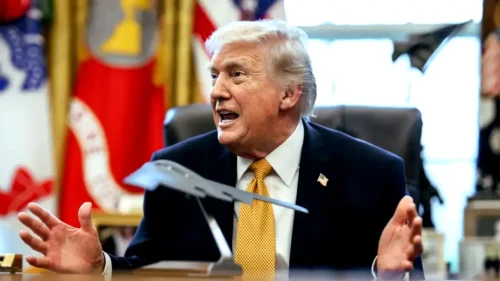
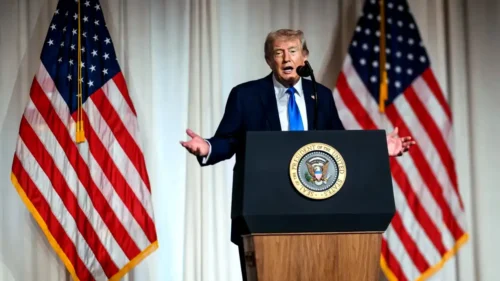
The controversy started on Friday when Fox News aired a new interview with the American president. Trump wrapped up his high-stakes meeting with Chinese President Xi Jinping and sat down for the cameras. He told the reporter he has not yet approved a massive $14 billion weapons package for Taiwan. He explicitly stated that the final decision depends on China. Trump then called the military gear a very good negotiating chip.
Just a few months ago, the situation looked very different. In December, Trump officially approved a record-breaking $11 billion arms package for the Taiwanese military. That specific deal gave the island brand new missiles, explosive drones, heavy artillery systems, and advanced military software. Now, the future of American military support seems completely uncertain.
Taiwan President Lai Ching-te responded to the changing political winds on Sunday. He released a strong statement to calm the public and remind Washington of its past promises. Lai stressed that buying weapons from the United States serves as the most important deterrent against regional conflict. He noted that official American policy regarding the island remains unchanged today.
Instead of showing anger, Lai chose a diplomatic path. He thanked Trump for his continued support since his first term in office. Lai praised the continuous increase in the total amount of weapons the United States sold to Taiwan over the years. However, he also set firm boundaries for his nation.
The Taiwanese leader promised his people would never surrender. Lai stated that Taiwan will not provoke or escalate any military conflict. At the same time, he swore that the island would not relinquish its national sovereignty or dignity. He promised to protect their democratic and free way of life under extreme pressure. Lai then pointed his finger directly at Beijing, calling China the actual root cause of regional instability.
Back in Washington, American lawmakers quickly offered their own support for the island. United States House Speaker Mike Johnson praised the Taiwanese president’s comments. Johnson told reporters he thought Lai made a very reasonable statement. Johnson firmly added that China cannot simply go take over land. He promised that the United States Congress would stand strong and resolute against any invasion.
Chinese leaders view the situation with extreme seriousness. During his talks with Trump in Beijing, President Xi Jinping framed Taiwan as the single most important issue in China-US relations. On Thursday, Xi delivered one of his strongest public statements to date. He warned Trump directly that handling the Taiwan issue poorly would cause actual clashes and even violent conflicts between the two global superpowers.
The bitter divide between China and Taiwan stretches back over 70 years. The two sides split in 1949 after the Communist Party won a massive civil war on the mainland. The defeated Nationalist forces fled across the water to Taiwan. Since that retreat, the island transformed from strict martial law into a thriving, multi-party democratic system.
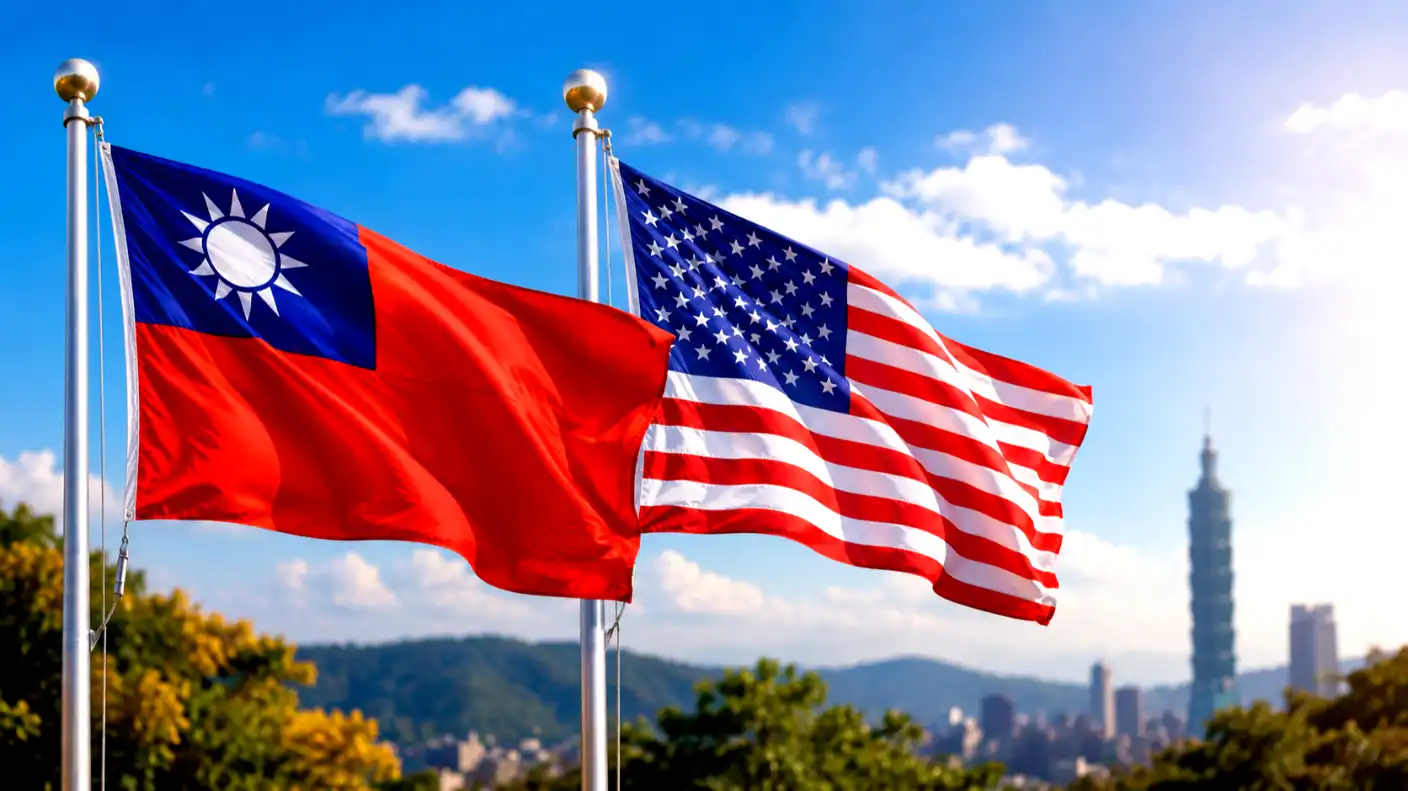
Today, the United States navigates a very tricky diplomatic path. Like most countries, the American government does not formally recognize Taiwan as an independent country. However, Washington remains the strongest ally and primary weapons supplier for the island. American law actually requires the government to provide Taiwan with the exact tools it needs to defend itself against external threats.