

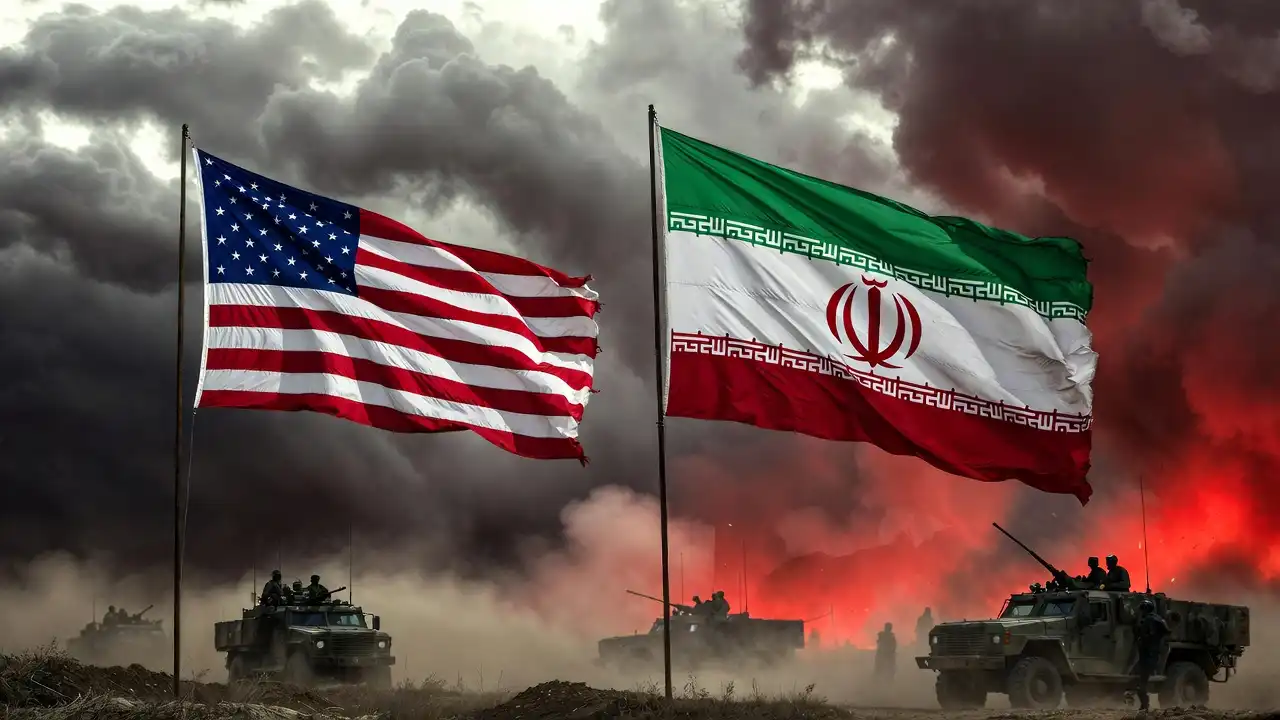
Peace talks between the United States and Iran hit a massive roadblock this week. Iranian media reported on Sunday that Washington delivered extreme, maximalist conditions to end the war. American negotiators refuse to offer any real concessions to Tehran. This diplomatic failure happens right as explosive drones strike key energy targets in the United Arab Emirates and Saudi Arabia.
The United States completely rejected a new 14-point peace proposal that Iran sent to Pakistani mediators on May 10. Instead, American officials demanded that Iran hand over its entire 400-kilogram stockpile of enriched uranium directly to the United States. Washington also insists on placing long-term restrictions on the Iranian nuclear sector. Furthermore, the Americans told Iran that they would only pause the fighting if Tehran agreed to start formal negotiations immediately.
Iran refuses to accept these harsh terms. Iranian leaders demand that Washington take several trust-building steps before any face-to-face talks begin. Tehran wants the United States to end the war across all fronts, especially the fighting happening in Lebanon. The Iranian government also demands that America lift all economic sanctions, release frozen Iranian bank assets, and pay cash reparations for recent war damages. Finally, Iran wants the world to recognize its absolute sovereignty over the Strait of Hormuz.
The two angry nations reached a fragile ceasefire on April 8. This pause came after exactly 40 days of heavy fighting. The war originally kicked off on February 28 when the United States and Israel launched massive attacks on Tehran and other major Iranian cities. Following the April truce, delegations from both countries traveled to Islamabad, Pakistan, for peace talks on April 11 and April 12. Those meetings failed to produce any agreements.
As diplomats argue over the paperwork, dangerous violence continues in the Middle East. On Sunday, an explosive drone crashed into a nuclear power plant in the United Arab Emirates and started a fire. United States President Donald Trump responded to the news by warning Iran that it must act fast to save the failing peace process.
The drone managed to slip past the UAE’s defense systems. It slammed into an electrical generator located just outside the inner perimeter of the Barakah Nuclear Power Plant. The Abu Dhabi Media Office quickly assured the public that the explosion caused exactly 0 injuries. Officials tested the area and found that radiological safety levels remained completely normal.
The Federal Authority for Nuclear Regulation later confirmed the facility stayed safe and released 0 radioactive material into the air. The International Atomic Energy Agency reported that emergency diesel generators quickly kicked on to provide power to Unit 3 of the power plant. The global atomic agency begged all fighting forces to show maximum military restraint near nuclear sites to prevent a catastrophic meltdown.
The UAE Defense Ministry fought off other aerial threats on the same day. Soldiers successfully shot down 2 additional drones that flew in from the western border. Government officials stated they are actively investigating the source of the strikes. A diplomatic advisor to the UAE president called the drone attack a dangerous escalation and declared the country holds the full right to strike back against the people who launched the weapons.
Saudi Arabia also dealt with incoming attacks on Sunday. The Saudi military reported that soldiers intercepted 3 explosive drones that crossed the border from Iraqi airspace. Saudi leaders issued a stern warning to the attackers. They promised to take all necessary operational measures to punish anyone who tries to violate Saudi sovereignty and security.
While the direct war between the United States and Iran slowed down in April, proxy violence keeps the region on edge. Militant groups regularly launch drones from Iraq toward wealthy Gulf countries like Kuwait and Saudi Arabia. Since the war started, Iran has repeatedly targeted American military bases and assets scattered across the Gulf.
The financial war also escalated this week. The United States Department of State announced tough new sanctions on Tuesday. The American government punished exactly 35 different entities and individuals for helping Iran manage its money. These new economic attacks will likely make Iranian leaders even more stubborn at the negotiating table. The world now watches nervously as the temporary ceasefire hangs by a tiny thread.















