

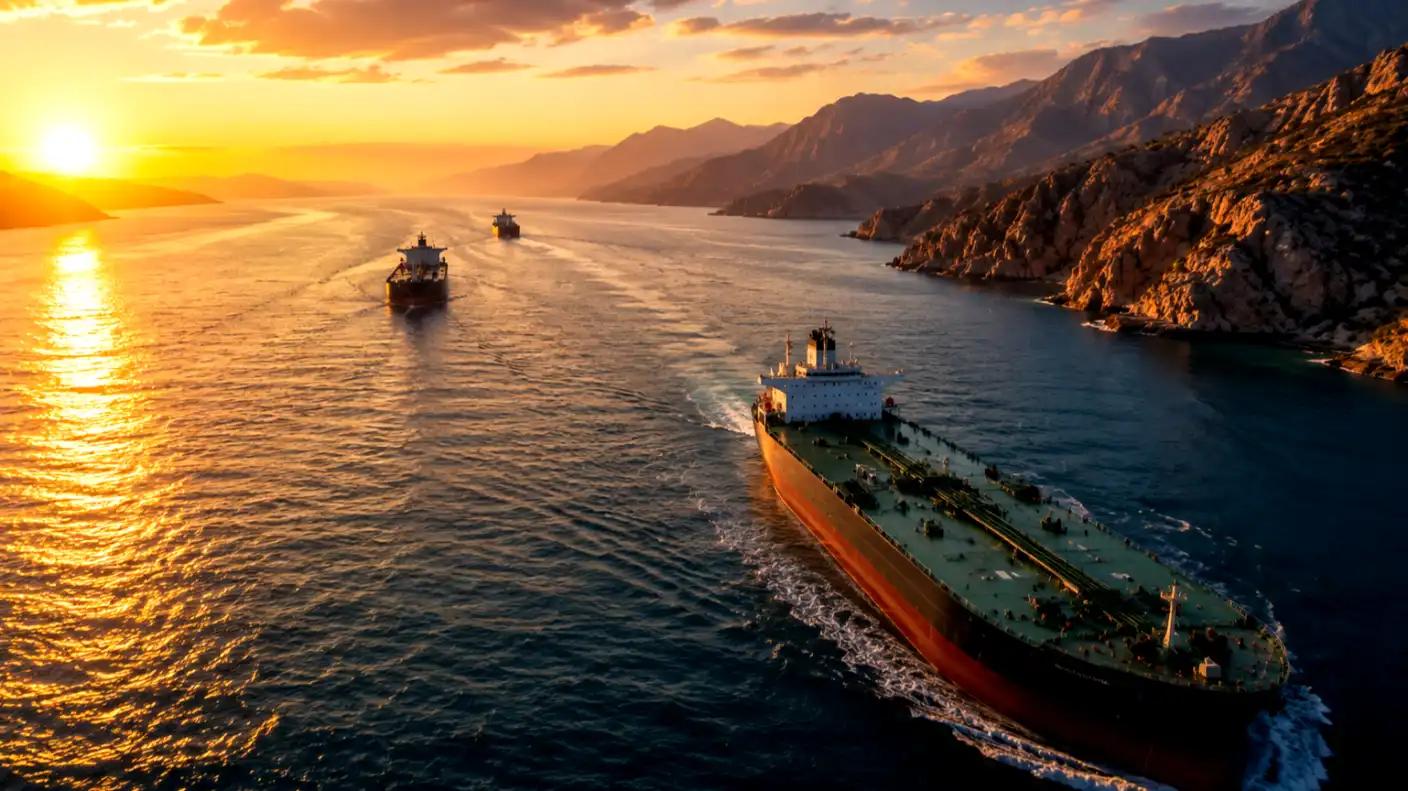
Oil prices rose on Monday morning as military conflicts in the Middle East worsened. News about diplomatic offers from the United States to Iran kept the market from seeing even higher price jumps. Brent crude futures rose during the trading session and held steady above $110 per barrel. The contracts crossed this important price mark when trading opened on Sunday evening. At the same time, United States WTI crude gained 1.1% and traded just above $102 per barrel.
Reports about a new diplomatic push by President Trump drove the morning headlines. The president offered to lift current sanctions on Iranian oil sales. He made this offer to encourage leaders in Tehran to return to the negotiating table. The Iranian state-owned Tasnim News Agency reported the details of this offer. The agency stated that this temporary arrangement would remain in effect until the two sides sign a final peace agreement. The White House has not yet confirmed if this offer is real.
While offering a deal, President Trump also issued strict warnings over the weekend. He posted on Truth Social on Sunday afternoon, stating that the clock is ticking for Iran. He warned that Iranian leaders had better move fast, or nothing would be left of their country. He ended his message by declaring that time is of the essence. Later on Sunday, the president told Axios reporters that his administration wants to make a deal. He mentioned he was waiting for a new proposal from Iran. By Monday morning, Axios reported that the White House received a new plan from Iran, but officials rejected it as inefficient.
Another state-owned Iranian news outlet, Fars, shared more details about the ongoing negotiations over the weekend. The agency reported that the United States created five main conditions for any peace deal. These rules require Iran to send its enriched uranium to the United States. The conditions also state that the United States will not pay any war reparations to the Iranian government. The White House refused to confirm these exact terms. However, officials repeated President Trump’s firm rule that Iran cannot develop nuclear weapons.
Violence in the region continues to threaten the global oil supply. A drone strike hit a nuclear power plant in the United Arab Emirates on Sunday and started a large fire. Officials still do not know who launched this attack. Around the same time, Saudi Arabia announced its military had shot down three drones. The Saudi government said the drones crossed into its airspace from Iraq. Several militia groups with direct ties to Iran currently operate inside Iraq.
Tensions also reached new highs in the Strait of Hormuz over the weekend. A new account appeared on the social media platform X claiming to represent the Persian Gulf Strait Authority. Iran created this agency to manage its efforts to control ship traffic through the important waterway. The account posted a message warning all ships. The group declared that vessels must coordinate with their authority to navigate the strait. They warned that passing through without official permission is illegal.
Ship traffic through the strait has fallen far below normal levels. This slowdown puts immense pressure on the global oil market. Countries around the world have rapidly drained their emergency reserves to keep up with demand. Fatih Birol, the head of the International Energy Agency, spoke about the crisis on Monday. He warned that commercial oil inventories only hold enough fuel for a few more weeks.
The global energy market relies heavily on emergency supplies to cover the current shortages. The release of strategic oil reserves currently adds 2.5 million barrels to the market each day. However, Birol warned everyone that these reserves are not endless. Once the reserves run dry, countries will face massive fuel shortages if the conflict in the Middle East continues to block shipping routes.
Top financial analysts see a grim future for the energy market if the situation does not improve. Experts from Goldman Sachs and JPMorgan looked closely at the numbers. They estimate that closing the Strait of Hormuz removes more than 10 million barrels of oil per day from the global market. This massive loss tightens total supply and forces prices higher. The analysts warn that these high prices will eventually destroy consumer demand as normal people stop buying expensive fuel.
Energy experts predict that regular drivers will soon feel the impact at local gas stations. When crude oil prices stay above $100 per barrel, gasoline costs jump significantly for everyday consumers. Families will spend more on their daily commutes, taking money away from other local businesses. Shipping companies also pay more for diesel fuel and pass those extra costs on to shoppers at the grocery store. Higher fuel prices almost always lead to higher prices for basic goods.
The next few days will test the global economy as energy markets react to every new headline. Traders must watch both the battlefields in the Middle East and the diplomatic meetings in Washington. A successful peace deal could quickly lower oil prices and bring millions of barrels back to the market. If Trump and Iranian leaders find common ground, the global supply chain will stabilize. Until that happens, the ongoing drone strikes and empty oil reserves keep the entire industry on high alert.















