

On Monday, the Chinese Embassy in Namibia hosted a detailed briefing for local reporters and economic experts. Officials presented a brand new zero-tariff policy designed to help African countries sell their goods to China. This massive trade rule officially took effect on May 1.
The new policy grants 100 percent zero-tariff treatment to exactly 53 African nations that maintain diplomatic ties with Beijing. The embassy proudly noted that China is now the first major global economy to drop all tariffs for these African partners unilaterally. This shift will create new export opportunities and help local industries improve their bottom lines.
Chinese Ambassador to Namibia Zhao Weiping spoke directly about the program’s core goals. He explained that China wants to do much more than just buy basic goods. The policy actively encourages developing nations like Namibia to stop selling only cheap raw materials. Instead, China wants these countries to process their own goods and create high-value products before shipping them overseas.
By removing these costly border taxes, China hopes to reduce entry barriers for African businesses significantly. The embassy team told the crowd that dropping a standard 10 percent or 15 percent tariff will instantly make local products much more competitive on the global stage. It also provides Namibian enterprises with a stable, predictable path into a consumer market that boasts over 1.4 billion buyers.
Officials highlighted exactly which local items will see the biggest benefits. Namibian farmers who raise beef and mutton stand to gain massive profits. Furthermore, farmers growing fresh grapes and blueberries, along with fishers catching wild aquatic products, can soon ship their goods directly to Chinese grocery stores. They just need to complete the necessary export paperwork and quality agreements first.
Ambassador Zhao added that the zero-tariff rule will spur fresh investment in the local economy. He expects business owners to pour millions of dollars into new processing plants, modern packaging facilities, and better quality testing labs. This investment will build a much stronger foundation for the African workforce and create thousands of new jobs.
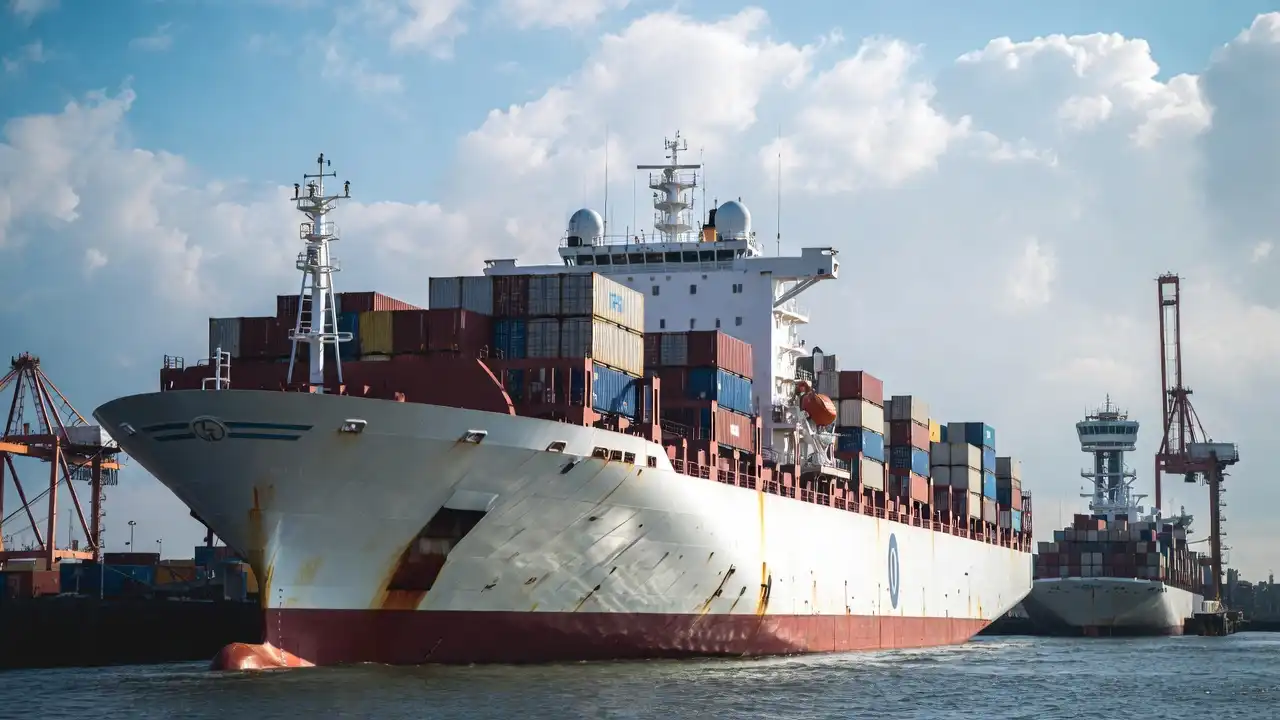
The embassy also shared a bigger vision for the region. As export demand shoots up, Namibia will likely spend millions upgrading its major roads and shipping ports. This infrastructure boom could easily transform Namibia into the primary logistics hub for all of southern Africa, moving thousands of shipping containers every single month.
Local experts reacted with high hopes after hearing the presentation. Josef Sheehama, a well-known Namibian business and economics researcher, spoke with reporters right after the event. He called the new trade rule a massive game-changer for both Namibia and the rest of the African continent.
Sheehama expressed deep confidence in the future of African trade. He stated that local businesses will definitely expand their export reach over the next 12 months. He views this open door to the Chinese market as a golden ticket for African companies seeking to increase profits and hire more workers.
Philip Josef, a local media professional, also praised the initiative. He pointed out that lowering tariffs will directly help small businesses operating on tight budgets. He noted that young entrepreneurs often struggle to pay high export fees, so this new rule will quickly ease their financial stress and help them sell their creative products overseas.
However, Josef offered a word of caution to his fellow citizens. He urged Namibian business leaders to look past the immediate rush of quick cash. He warned that the country must carefully plan how to sustain these new trade gains over the next 10 or 20 years to build a truly strong, independent economy.















