

The European Union recently banned financial funding for renewable energy projects that use Chinese solar inverters. European officials labeled China a high-risk country for the very first time. China’s Ministry of Commerce responded aggressively on Thursday. The ministry promised to protect the legal rights of Chinese businesses and warned that this funding ban would severely damage international trade relations. Trade officials in Beijing see this move as a direct threat to their booming green technology sector.
A spokesperson for the Chinese commerce ministry criticized the European Union for creating these rules without presenting any factual evidence. The official stated that this high-risk label unfairly attacks China’s global reputation. The ministry views this new funding block as a direct assault on Chinese manufacturing. Chinese officials completely reject the policy and plan to fight the discriminatory rules. They argue that European politicians simply want to protect their own struggling solar companies from fair competition.
The commerce ministry warned that labeling China as high-risk would destroy decades of mutual trust between the two massive economies. Chinese leaders believe this decision will severely hurt economic cooperation across the board. The ban threatens to destabilize complex supply chains across the 27 member states of the European Union. Trade experts fear the policy could split the global market and disrupt essential shipping networks. This disruption could cost international shipping companies up to $2 billion in lost transit fees over the next year.
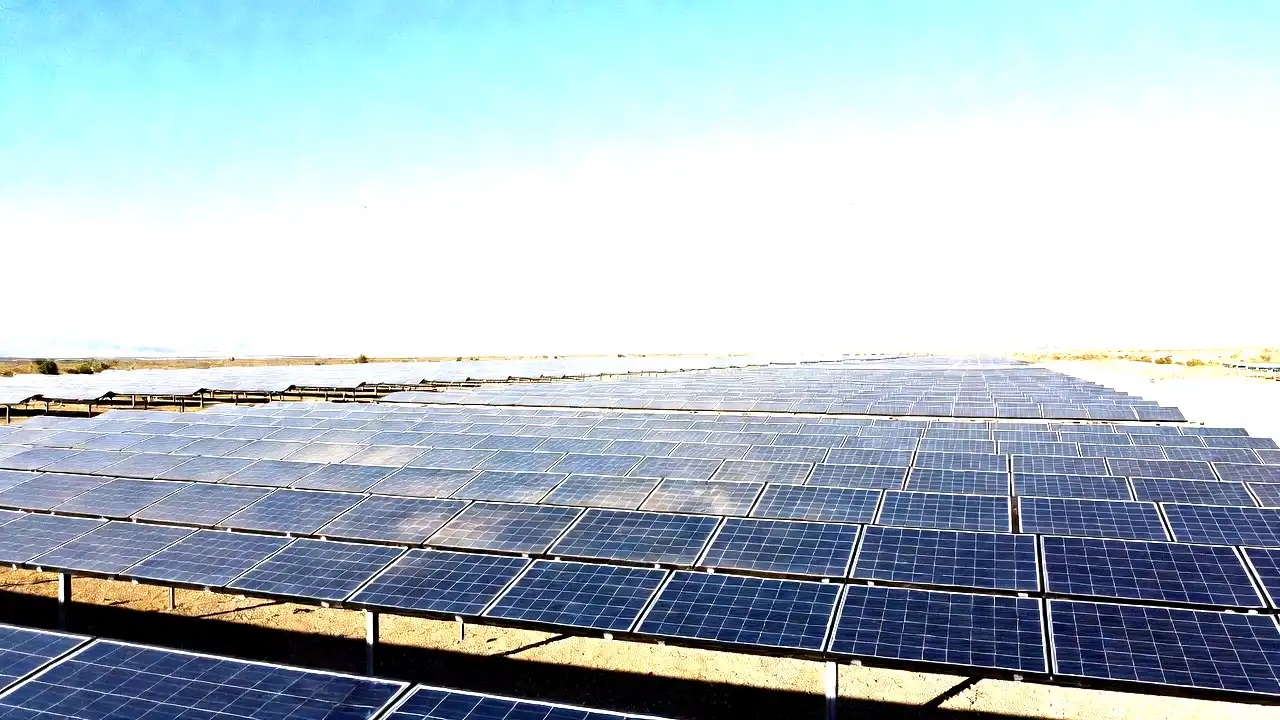
Solar inverters serve a vital role in renewable energy. They convert the direct current power generated by solar panels into usable alternating current for the local power grid. Chinese companies currently control nearly 80 percent of the global solar inverter market. European energy companies rely heavily on these affordable components to build their large solar farms. Excluding Chinese equipment could force European project developers to pay up to 40 percent more for alternative brands from America or local European producers. This sudden price jump puts over $15 billion in European green energy investments at serious risk.
Chinese officials pointed out that forcibly kicking Chinese companies out of the market violates the basic rules of fair market competition. The commerce ministry spokesperson explained that this aggressive strategy will ultimately hurt Europe the most. European countries desperately need cheap, reliable solar parts to meet their climate goals by 2030. Banning Chinese parts will slow down the European green energy transition. Energy experts estimate that this delay could increase European carbon emissions by 5 percent as countries revert to fossil fuels to meet their power demands.
China officially demands that the European Union immediately stop attacking its reputation. The commerce ministry wants European leaders to drop the high-risk label right away and restore normal trade relations. Officials urged Europe to cancel these unfair restrictions before they cause permanent damage to international trade. China promised to watch the situation closely. The government will evaluate exactly how these rules impact Chinese factories and take direct action to defend its companies from financial losses.
This new conflict stems from a massive cybersecurity package the European Commission proposed on January 20. The proposal aims to remove equipment built by high-risk suppliers from critical power grids and internet networks. While the original document does not specifically name Chinese firms, industry experts widely agree that the rules target Chinese technology giants. European lawmakers claim they need these tools to protect their essential infrastructure from foreign interference.
Hu Qimu, a professor at the Maritime Silk Road Institute, explained that domestic politics drive these new European restrictions rather than actual technical flaws. He told reporters on Thursday that European politicians simply want to look tough on China to win local elections. Hu warned that this political game will cost European taxpayers billions of euros. The ban will make everyday electricity more expensive for European citizens and delay important environmental projects that require cheap hardware.
An industry insider familiar with the trade dispute noted that China possesses a massive policy toolkit to fight back. The source stated that China does not fear a trade war and knows exactly how to handle trade friction. If Europe continues to pursue these aggressive policies, China could restrict exports of essential raw materials such as gallium and germanium. A full trade war would cost both sides hundreds of millions of dollars every single day and drag down the entire global growth rate by at least 1.5 percent.
Despite the harsh words from both sides, the two economies remain deeply connected. Total trade between China and Europe exceeded $800 billion last year. Leaders from major European nations, including Germany and Spain, recently traveled to Beijing to secure new lucrative business deals. Professor Hu pointed out that these visits prove European businesses still desperately want to work with Chinese partners. He noted that China provides Europe with massive consumer markets, reliable energy technology, and stable business opportunities rather than security risks.















