
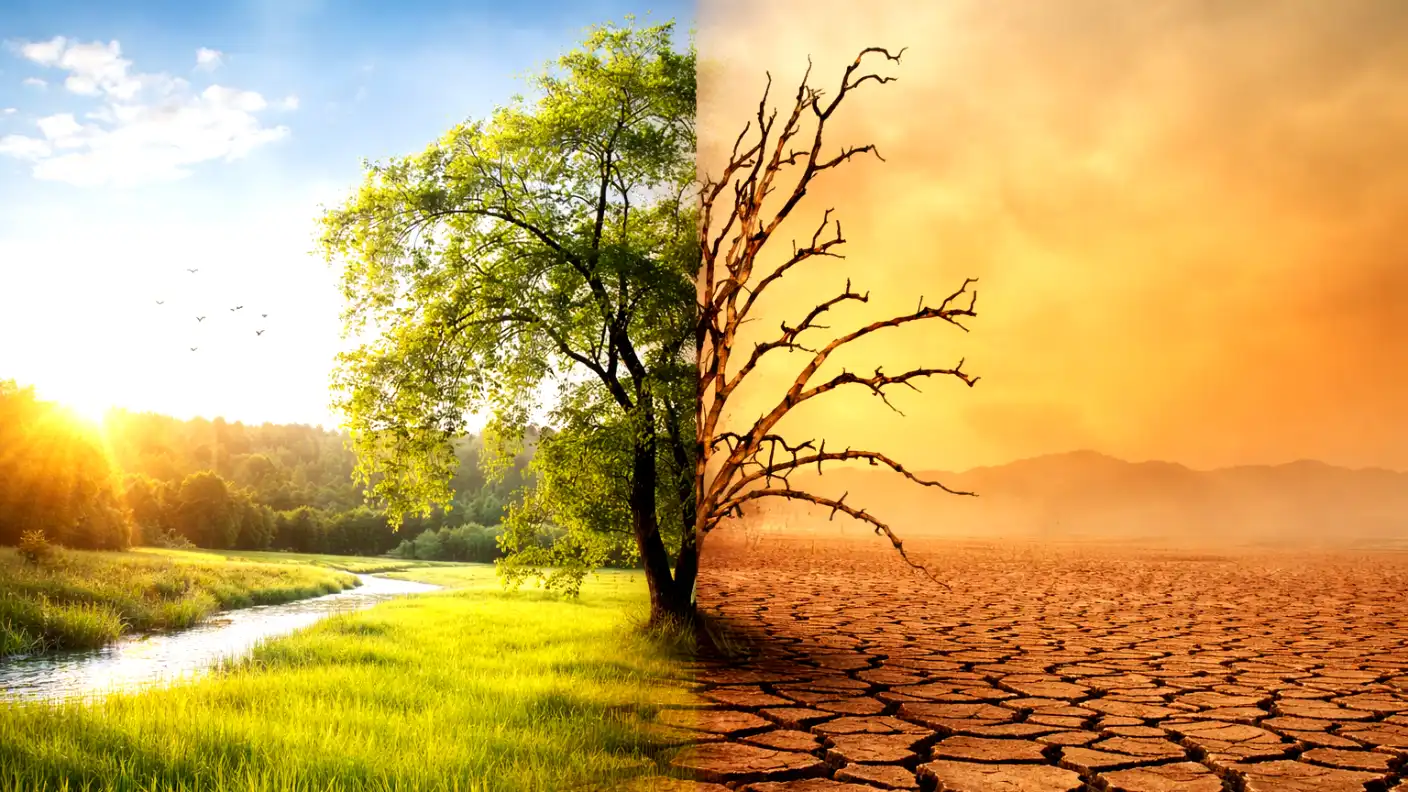
Humanity stands at a critical juncture in its history, facing an unprecedented, multi-faceted environmental crisis that threatens the very foundations of global society, economic stability, and planetary health. As we look ahead to the next decade, international organizations, scientific communities, and economic forums have unanimously identified climate change and extreme weather as the preeminent global risk. This is no longer a distant, theoretical scenario reserved for academic modeling; it is an immediate, escalating reality that is fundamentally altering the world as we know it. The interwoven threats of steadily rising global temperatures, the catastrophic acceleration of biodiversity loss, and the increasing frequency, duration, and intensity of extreme weather events represent a systemic crisis. These elements do not operate in isolation; rather, they compound one another, creating devastating feedback loops that amplify the destruction. The coming decade will be defined by how the global community responds to this overarching emergency. A failure to enact sweeping, transformative mitigation and adaptation strategies will lock the planet into a trajectory of irreversible ecological collapse and profound socio-economic disruption. Understanding the mechanics, impacts, and necessary solutions to this tri-fold crisis is essential for safeguarding our shared future.
The foundation of this global crisis lies in the relentless alteration of the Earth’s climate system, driven primarily by human activities that trap heat in the atmosphere.
The Unprecedented Escalation of Global Temperatures
At the core of the climate crisis is the indisputable, rapid rise in average global temperatures, the primary driver of all other climate-related disruptions. Over the past century, industrialization, widespread deforestation, and the burning of fossil fuels have fundamentally altered the chemical composition of the Earth’s atmosphere. This atmospheric alteration has compromised the planet’s ability to regulate its temperature, trapping solar radiation that would otherwise reflect into space. The resulting thermal imbalance is not uniform; certain regions, particularly the polar latitudes, are warming at a significantly faster rate than the global average, leading to profound disruptions in global ocean currents and atmospheric jet streams. This baseline warming is the critical threshold that dictates the severity of both extreme weather anomalies and ecosystem collapse.
To understand why global temperatures are rising at such an alarming rate, it is necessary to examine the specific physical mechanisms and human activities driving this change.
The Greenhouse Gas Effect and Thermal Inertia
The primary mechanism driving rising temperatures is the enhanced greenhouse effect. When sunlight reaches the Earth, it is absorbed by the surface and radiated back as infrared heat. However, greenhouse gases in the atmosphere absorb this heat, preventing it from escaping into space and thereby warming the planet. Human activities have artificially inflated the concentrations of these gases to levels not seen in millions of years. Furthermore, the Earth’s climate system possesses a phenomenon known as thermal inertia, meaning that even if all greenhouse gas emissions were halted today, the planet would continue to warm for decades due to the heat already absorbed by the world’s oceans. This built-in warming guarantees that the next decade will be significantly hotter than the last, requiring immediate adaptive strategies.
Several key greenhouse gases are primarily responsible for this enhanced atmospheric warming, each possessing different atmospheric lifespans and heat-trapping capacities:
- Carbon Dioxide (CO2): The most abundant anthropogenic greenhouse gas, primarily released through the combustion of coal, oil, and natural gas, remaining in the atmosphere for centuries.
- Methane (CH4): A highly potent gas released during agricultural practices, livestock digestion, and the extraction of fossil fuels, trapping significantly more heat than CO2 in the short term.
- Nitrous Oxide (N2O): Emitted heavily through agricultural and industrial activities, as well as the combustion of solid waste and fossil fuels.
- Fluorinated Gases: Synthetic, powerful greenhouse gases emitted from a variety of industrial applications, refrigeration, and consumer products.
Beyond direct human emissions, the planet’s warming is triggering natural responses that threaten to accelerate the rise in temperature beyond human control.
Tipping Points and Feedback Loops
As global temperatures climb, the Earth’s climate system approaches critical thresholds known as tipping points—points of no return where a small change can push a system into a completely new state. One of the most alarming examples is the melting of Arctic permafrost. As this permanently frozen ground thaws, it releases massive quantities of trapped methane and carbon dioxide into the atmosphere, which in turn causes more warming and more thawing in a dangerous, self-reinforcing feedback loop. Another critical feedback loop involves the loss of reflective sea ice, known as the albedo effect. Bright white ice reflects solar radiation away from the Earth. Still, as it melts, it exposes dark ocean water, which absorbs heat instead, further accelerating warming in the polar regions and around the globe. These tipping points represent the most unpredictable and dangerous elements of the climate crisis in the coming decade.
The energy trapped by these rising temperatures does not remain static; it aggressively charges the Earth’s atmospheric and oceanic systems, leading directly to violent meteorological phenomena.
The Increasing Frequency of Catastrophic Weather Events
As the Earth retains more thermal energy, the planet’s weather systems become increasingly volatile, chaotic, and destructive. The laws of thermodynamics dictate that a warmer atmosphere can hold more moisture, while warmer oceans provide more fuel for storm systems. This combination has fundamentally altered the baseline of global weather, shifting the bell curve of historical climate patterns so that events once considered “once-in-a-century” anomalies are now occurring with alarming regularity. The next decade will undoubtedly see a continued escalation in the frequency and intensity of catastrophic weather events, fundamentally challenging the resilience of human infrastructure, agriculture, and emergency response systems. These events are not localized tragedies; they are global manifestations of a destabilized climate system.
The sheer power of atmospheric storms is being amplified by the warming of the world’s oceans, leading to unprecedented coastal devastation.
Super-Storms and Unforgiving Hurricanes
Tropical cyclones, hurricanes, and typhoons draw their destructive energy directly from the heat of the surface ocean. As global ocean temperatures reach record highs, these storms are becoming supercharged. In the coming decade, meteorologists project a significant increase in the proportion of storms reaching the highest intensity categories. Furthermore, climate change is altering the behavior of these super-storms; they are increasingly undergoing “rapid intensification,” in which wind speeds increase drastically within hours, leaving coastal communities little to no time to evacuate. Additionally, altered atmospheric steering currents are causing these storms to stall over landmasses, dumping unprecedented volumes of rainfall and causing catastrophic inland flooding that destroys entire municipalities and agricultural heartlands.
While some regions face the destructive force of excess water, other parts of the globe suffer the devastating consequences of its absence.
Devastating Droughts and Mega-Fires
Rising global temperatures accelerate evaporation from soils and vegetation, leading to prolonged, more intense periods of drought. Regions that already experience arid climates are facing severe water scarcity, threatening the drinking water supplies of major metropolitan areas and crippling agricultural production. This extreme desiccation of the landscape creates the perfect tinderbox for mega-fires. Wildfire seasons, which were historically confined to a few months of the year, have now expanded into year-round threats in many parts of the world. These massive infernos burn hotter, spread faster, and destroy vast tracts of forest, releasing millions of tons of stored carbon back into the atmosphere and further accelerating the greenhouse effect in yet another devastating feedback loop.
The consequences of a warming climate are radically redrawing the physical geography of the planet’s coastlines.
Cataclysmic Flooding and Rising Sea Levels
The combination of melting polar ice caps, shrinking mountain glaciers, and the thermal expansion of seawater as it warms is causing global sea levels to rise at an accelerating rate. This rise poses an existential threat to low-lying coastal cities and small island developing states. The coming decade will witness an increase in “sunny-day flooding,” where high tides inundate city streets and contaminate freshwater aquifers even in the absence of a storm. When combined with the storm surges of the super-storms mentioned earlier, the result is cataclysmic coastal flooding. The encroaching ocean threatens to displace hundreds of millions of people, destroy trillions of dollars in coastal real estate, and wipe out vital coastal ecosystems.
The rising sea levels and extreme weather events pose direct threats to numerous critical components of human civilization and infrastructure:
- Coastal Megacities: Densely populated urban centers facing the immediate threat of inundation, requiring massive investments in seawalls and pumping systems.
- Port Infrastructure: The backbone of global trade, vulnerable to storm surges that can paralyze international supply chains and shipping networks.
- Agricultural Deltas: Fertile, low-lying river deltas that provide food for millions are at risk of saltwater intrusion, which ruins the soil for crop production.
- Freshwater Aquifers: Essential underground water sources that face contamination from rising, encroaching seawater, threatening drinking water supplies.
This relentless assault of extreme weather and rising temperatures is not just a threat to human infrastructure; it is fundamentally unraveling the complex web of life that sustains the planet.
Biodiversity Loss: The Silent Crisis Accelerating Ecological Collapse
While dramatic weather events capture the world’s attention, a quieter but equally devastating crisis is unfolding alongside them: the rapid and unprecedented loss of global biodiversity. The Earth is currently undergoing its sixth mass extinction event, driven heavily by climate change, habitat destruction, pollution, and overexploitation. Biodiversity—the variety of life on Earth at all its levels, from genes to ecosystems—is not merely a matter of aesthetic beauty; it is the fundamental life-support system of our planet. Healthy, diverse ecosystems purify our air, filter our water, pollinate our crops, and regulate the climate. As rising temperatures and extreme weather degrade these ecosystems, species are dying out at a rate hundreds of times faster than the natural background rate. This biological annihilation is a profound global risk for the next decade, as the collapse of ecosystems will severely compromise human survival.
The destruction of the physical environments where species live is the primary driver of this devastating biological decline.
Habitat Destruction and Species Extinction
As the climate shifts rapidly, the natural habitats that species have adapted to over millennia are transforming faster than evolutionary processes can keep up. Rising temperatures are forcing flora and fauna to migrate toward the poles or to higher elevations in search of suitable climates. However, human development, agriculture, and infrastructure often block these migration routes, leaving species trapped in increasingly unlivable environments. For species already living at the extremes, such as alpine animals or polar bears, there is simply nowhere left to go. Furthermore, extreme weather events like mega-fires and prolonged droughts can decimate entire habitats overnight, wiping out local populations of vulnerable species and pushing already endangered animals over the brink into total extinction.
The loss of individual species eventually causes the breakdown of the intricate networks that sustain entire ecosystems.
The Disruption of Food Chains and Agriculture
In nature, every species is connected within a complex web of predator-prey relationships and symbiotic partnerships. The extinction or severe decline of even a single “keystone” species can cause a cascading collapse of the entire local food chain. One of the most alarming aspects of current biodiversity loss is the dramatic decline in insect populations, particularly crucial pollinators like bees and butterflies. A combination of climate stress, pesticide use, and habitat loss drives this insect apocalypse. Because the vast majority of the world’s flowering plants and a significant percentage of global crops rely entirely on insect pollination, the loss of these tiny creatures poses a direct, catastrophic threat to global food security. A collapse in pollination would lead to massive crop failures, skyrocketing food prices, and widespread famine.
The impacts of climate change on biodiversity are perhaps most starkly visible beneath the surface of the world’s oceans.
Ocean Acidification and Marine Ecosystems
The world’s oceans act as a massive carbon sink, absorbing approximately a quarter of the carbon dioxide emitted by human activities. While this helps buffer the atmosphere from even more extreme warming, it comes at a terrible cost to marine life. When CO2 dissolves in seawater, it forms carbonic acid, leading to a phenomenon known as ocean acidification. This lowering of the ocean’s pH makes it incredibly difficult for calcifying organisms—such as oysters, clams, sea urchins, and the tiny pteropods at the base of the marine food web—to build and maintain their shells and skeletons.
The combination of warmer waters and acidic conditions is particularly devastating to specific, highly vital marine ecosystems:
- Coral Reefs: Acidification and marine heatwaves cause mass coral bleaching events, killing the reefs that support over a quarter of all marine biodiversity.
- Kelp Forests: Vital underwater forests that provide habitat and sequester massive amounts of carbon are being decimated by warming waters and shifting marine predator balances.
- Phytoplankton: The microscopic plants that form the foundation of the oceanic food web and produce half of the oxygen in our atmosphere are threatened by changing ocean chemistry and stratification.
- Fisheries: The collapse of reef and coastal ecosystems directly threatens global fish stocks, endangering the primary source of protein for billions of people worldwide.
The physical destruction of the environment and the collapse of ecosystems inevitably lead to profound social and economic instability for human populations.
The Socio-Economic Impacts of Climate Disruptions
The intertwining crises of climate change, extreme weather, and biodiversity loss do not merely exist in the realm of environmental science; they are the most significant drivers of socio-economic instability of our time. The leading global risk for the next decade is not just that the weather will be worse, but that human societies are fundamentally unprepared for the economic and social shocks that will follow. Climate change acts as a “threat multiplier,” exacerbating existing inequalities, inflaming geopolitical tensions, and overwhelming the financial capacities of both developing and developed nations. The compounding nature of these disasters guarantees that the economic toll will run into the tens of trillions of dollars. At the same time, the human cost will be measured in lost livelihoods, ruined communities, and widespread suffering.
One of the most immediate and tragic human consequences of the climate crisis is the forced displacement of populations due to uninhabitable conditions.
Climate Refugees and Forced Migration
As certain regions of the globe become increasingly hostile to human habitation due to extreme heat, chronic drought, or sea-level rise, we will witness a dramatic surge in forced human migration. These individuals, often referred to as “climate refugees,” are forced to abandon their ancestral homes because their lands can no longer support agriculture or because their coastal villages are physically sinking beneath the waves. The next decade will likely see tens of millions of people displaced internally within their own countries, as well as crossing international borders in search of safety and sustenance. This mass movement of people will place immense strain on the resources and infrastructure of receiving nations, potentially leading to severe political instability, xenophobia, and resource-driven conflicts over water, food, and habitable land.
The modern global economy is a highly interconnected web that is exceptionally vulnerable to the localized impacts of extreme weather events.
Global Supply Chain Vulnerabilities
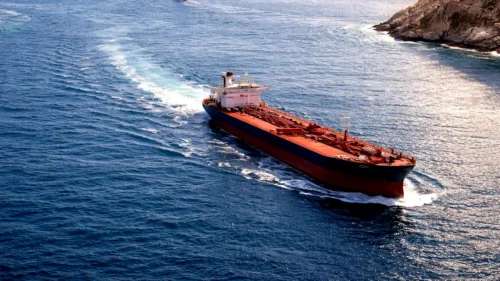
The globalized economy relies on complex, just-in-time supply chains that are highly efficient but notoriously fragile. The increasing frequency of catastrophic weather events poses a significant risk to these economic networks. A single super-storm striking a major manufacturing hub or a severe drought crippling a vital agricultural region can cause cascading disruptions that halt production and empty supermarket shelves worldwide. Furthermore, low water levels in vital shipping arteries, driven by prolonged droughts, are already disrupting the transport of global commodities. As climate disruptions become the new normal, multinational corporations and governments will face massive economic losses, driving up inflation and forcing a complete, costly restructuring of how goods are manufactured, grown, and distributed globally.
Addressing a crisis of this magnitude requires a comprehensive, dual-pronged approach that involves both reducing the severity of future warming and preparing for the changes that are already locked in.
Mitigation and Adaptation: Forging a Resilient Future
The sheer scale of the climate and ecological crisis dictates that the next decade must be a period of unprecedented global action. Treating climate change and extreme weather as the leading global risk requires moving beyond rhetoric and implementing aggressive, systemic transformations across all sectors of human society. This response must be divided into two equally vital strategies: mitigation, which involves drastically reducing greenhouse gas emissions to halt further warming; and adaptation, which involves altering our infrastructure, agriculture, and societies to withstand the extreme weather and ecological shifts that are already inevitable. Forging a resilient future will require mobilizing capital, technology, and political will on a scale unseen since the mobilization for global conflicts of the past century.
The cornerstone of any effective mitigation strategy is the complete transformation of how human civilization generates and consumes energy.
Transitioning to Renewable Energy Networks
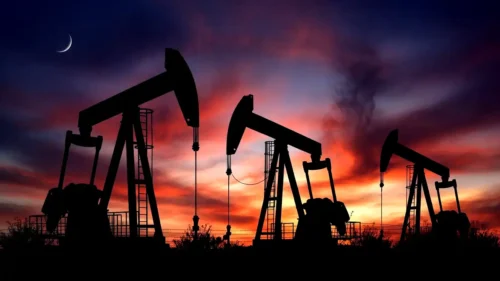
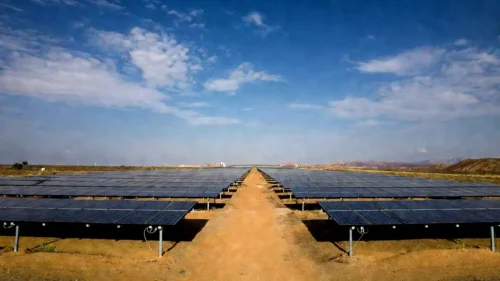
To avoid the most catastrophic tipping points of global warming, the world must urgently transition away from an economy based on fossil fuel combustion. This requires a rapid, massive scaling up of renewable energy technologies, primarily solar, wind, geothermal, and hydroelectric power. The next decade must see the aggressive decommissioning of coal-fired power plants and a halt to the expansion of new fossil fuel infrastructure. Accompanying this shift is the necessary electrification of global transportation, heating, and industrial processes. However, transitioning to renewable energy also requires massive investments in modernizing national power grids, developing advanced battery storage technologies to handle the intermittent nature of wind and solar power, and ensuring a “just transition” that provides new economic opportunities for workers currently employed in the fossil fuel sector.
Technology alone cannot save us; we must also enlist the natural world as a vital ally in the fight against climate change and biodiversity loss.
Implementing Nature-Based Solutions
One of the most effective, cost-efficient, and holistically beneficial strategies for both mitigating climate change and adapting to extreme weather is implementing nature-based solutions. Instead of relying purely on concrete and steel to protect our communities and sequester carbon, we must protect, manage, and restore natural ecosystems. Healthy ecosystems naturally remove massive amounts of carbon dioxide from the atmosphere, while simultaneously providing critical habitats for endangered species and serving as natural buffers against extreme weather events.
Investing in nature-based solutions offers profound, multi-layered benefits that address both the climate and biodiversity crises simultaneously:
- Reforestation and Afforestation: Planting billions of native trees to rebuild destroyed forests, which act as massive carbon sinks and restore habitats for terrestrial wildlife.
- Mangrove and Wetland Restoration: Rehabilitating coastal ecosystems that naturally absorb the impact of storm surges and hurricanes, protecting inland communities far better than artificial seawalls.
- Regenerative Agriculture: Shifting farming practices to restore soil health, increase the soil’s ability to hold water during droughts, and draw down atmospheric carbon into the earth.
- Peatland Protection: Halting the draining and burning of peat bogs, which hold twice as much carbon as all the world’s forests combined, and restoring them to their natural, waterlogged state.
None of these mitigation or adaptation strategies can be successfully implemented without cohesive, binding, and equitable international agreements.
Strengthening Global Policy and Cooperation
Climate change recognizes no sovereign borders; a ton of carbon emitted in one hemisphere warms the entire globe equally. Therefore, the leading global risk for the next decade can only be addressed through unparalleled international cooperation and strengthened global policy. International treaties, such as the Paris Agreement, must be strengthened with enforceable mechanisms that hold nations accountable for their emissions-reduction targets. Furthermore, there must be a massive mobilization of climate finance from wealthy, industrialized nations—who are historically responsible for the vast majority of emissions—to developing nations. This financial support is crucial to helping poorer countries leapfrog fossil-fuel development and build resilient infrastructure to withstand the extreme weather impacts they did little to cause. Only through a unified, equitable global response can humanity hope to stabilize the climate system.
Conclusion
As we look toward the next decade, the interconnected threats of climate change, rising global temperatures, biodiversity loss, and extreme weather stand unequivocally as the paramount risk to human civilization and planetary health. The evidence is etched into the very fabric of our shifting world: in the ferocity of super-storms, the ashes of unprecedented mega-fires, the silent bleaching of coral reefs, and the growing desperation of climate refugees. We are no longer waiting for the climate crisis to arrive; we are living within its accelerating grip. The choices made by global leaders, corporations, and individuals in the immediate future will resonate for centuries. We possess the scientific knowledge, the technological innovations, and the nature-based solutions required to alter our current destructive trajectory. What remains is the urgent necessity to summon the collective political and societal will to act. The coming decade is our critical window of opportunity—a brief, defining era in which we must radically decarbonize our economies, protect our vanishing ecosystems, and forge a resilient, sustainable future before it closes forever.