

Gold prices moved higher on Friday, putting the precious metal on track for a solid weekly gain. A weaker United States dollar helped boost the market after a surprisingly strong April jobs report convinced traders to scale back their bets on future interest rate hikes. Market sentiment also improved slightly when President Donald Trump assured the public that a fragile ceasefire with Iran remains in place, despite recent military skirmishes in the dangerous Strait of Hormuz.
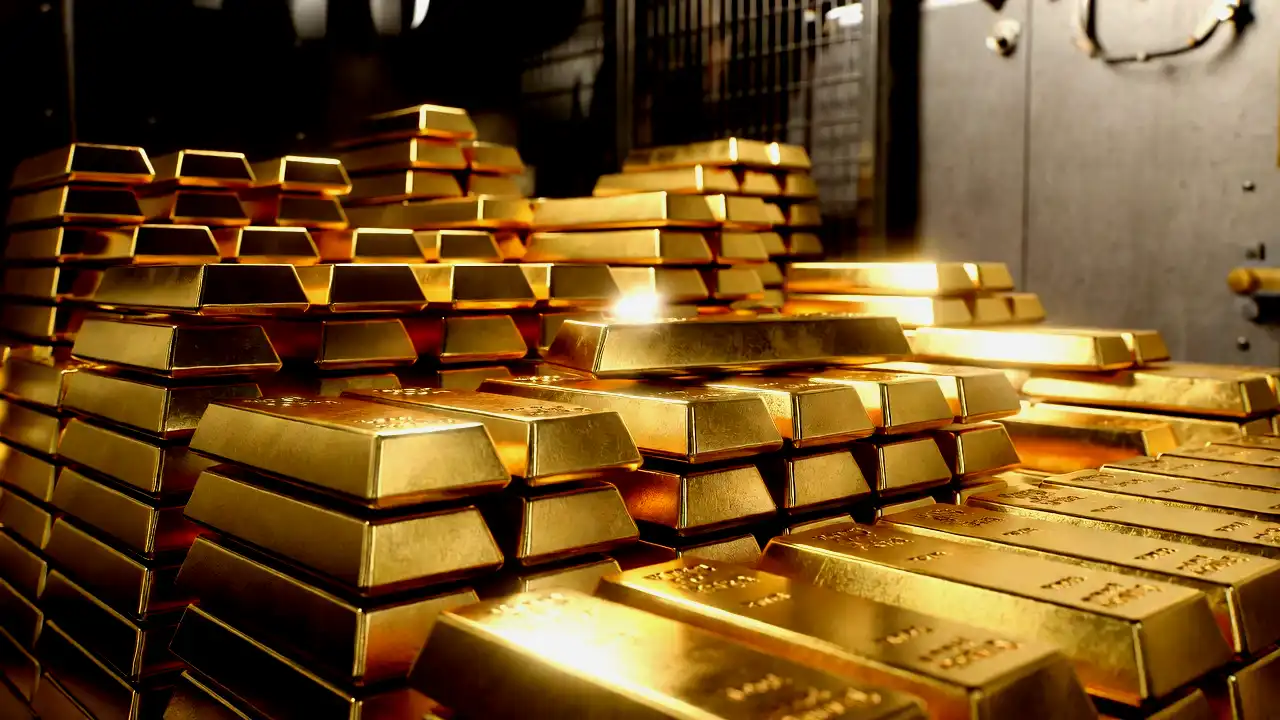
By late Friday at 4:40 p.m. ET, spot gold rose exactly 0.7 percent to reach $4,717.91 an ounce. At the same time, gold futures gained 0.4 percent, settling at $4,727.11 an ounce. Overall, spot gold has risen over 2 percent this week. This marks a strong rebound after the metal hit brutal one-month lows earlier in May.
Traders kept a very close eye on the volatile Middle East. The critical Strait of Hormuz remains the absolute center of the global economic crisis. Iran effectively shuttered this vital waterway at the end of February when the conflict first began. Since roughly 20 percent of the world’s oil and gas flows directly through this narrow strait, the closure caused the biggest energy supply disruption in modern history.
To break the deadlock, the United States launched a mission called “Project Freedom” earlier this week. The military wanted to escort commercial ships safely through the dangerous strait. However, the military abruptly paused the effort just days later. Meanwhile, the United States continues to enforce a strict naval blockade on all Iranian ports and coastlines, a strategy designed to squeeze Tehran financially.
The blockade led to direct violence at sea. On Friday, the United States Central Command announced that American forces fired upon and completely disabled 2 empty Iranian-flagged oil tankers. The ships attempted to break the blockade and enter an Iranian port in the Gulf of Oman. The military command also confirmed they disabled another empty tanker earlier on Wednesday using similar tactics.
These naval strikes followed a terrifying near-miss on Thursday. The American military reported intercepting multiple Iranian attacks targeting 3 different American warships sailing through the Strait of Hormuz. According to a senior United States official who spoke to Fox News, the American military quickly retaliated against these attacks. Warplanes struck specific targets located at Iran’s Qeshm port and the nearby city of Bandar Abbas.
This sudden flare-up in fighting happens during a very delicate diplomatic moment. Iran is currently reviewing a brand-new, one-page peace proposal containing exactly 14 points that could finally end the conflict. Iranian officials stated they have not yet concluded the American offer.
President Trump completely dismissed the recent violence during an interview with ABC News. He called the new attacks just a simple love tap and insisted that the ceasefire between the two nations remains fully in effect. However, Trump quickly changed his tone on social media later that day. He posted a fiery warning, threatening to hit Iran much harder and more violently in the future if they do not sign the deal fast.
Back in the United States, the economy delivered some surprising news. The Bureau of Labor Statistics reported that nonfarm payrolls added exactly 115,000 new jobs last month. This number easily beat the 65,000 jobs that financial economists originally expected. Despite the new jobs, the national unemployment rate held perfectly steady at 4.3 percent.
While traders usually love strong job numbers, they focused heavily on the inflation warnings hidden inside the report. The ongoing Middle East conflict sparked massive oil price spikes, making everyday goods much more expensive. Financial analysts noted that the April jobs data showed inflation actively eating away at normal wage growth.
Before the government released the jobs report, many traders bet that the Federal Reserve would raise interest rates this year to fight the inflation shock caused by the war. However, according to the CME FedWatch tool, the odds of a rate hike dropped significantly after traders digested the solid job numbers.
The United States dollar slipped immediately after the data release. Because higher interest rates usually strengthen the greenback, fading chances of a rate hike pulled the currency down. A weaker dollar always provides a massive boost for gold because it makes the bullion much cheaper for foreign investors to buy. Before this week’s rebound, gold had actually crashed by more than 10 percent since the Iran conflict first erupted in late February. Among other precious metals on Friday, spot silver jumped exactly 2.5 percent to $80.41 an ounce, while platinum added 0.2 percent to reach $2,065.70 an ounce.















