

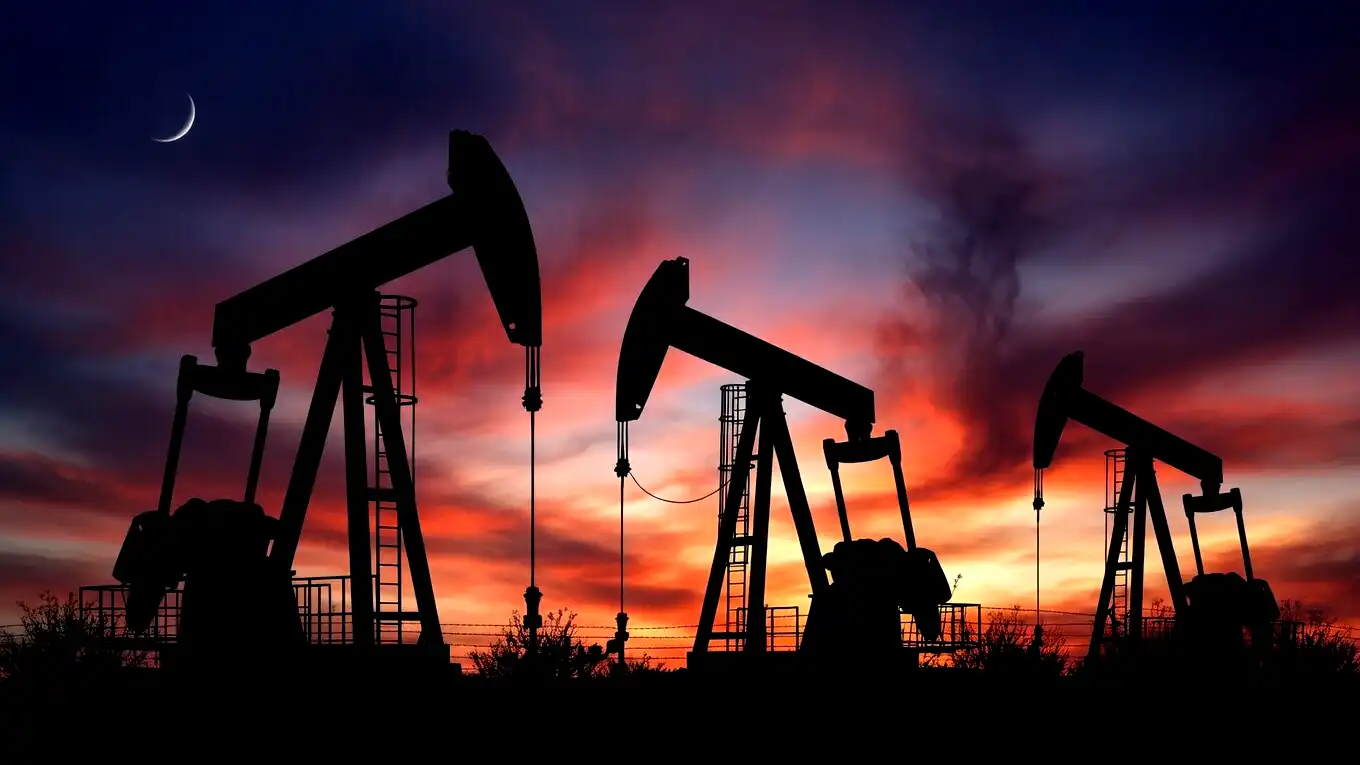
United States crude oil prices climbed higher early Wednesday morning. Energy traders pushed prices up despite news from Washington about a paused war. West Texas Intermediate crude oil futures hit a high of $90.70 for a single barrel during early trading. The price is bringing the total to $90.26 per barrel. This jump follows a very strong Tuesday trading session, during which the benchmark contract gained 2.8 percent. Traders clearly feel nervous about the current state of the global energy supply.
President Donald Trump triggered this market reaction when he announced a massive political decision. Just hours before a temporary truce expired, the president indefinitely extended the military ceasefire with Iran. The initial pause in fighting started exactly 2 weeks ago. Trump stated he wants to give diplomats more time to conduct direct peace talks. He hopes these conversations will finally end a brutal conflict that has already killed thousands of people and severely damaged the global economy over the last few months.
However, the president made this major decision completely alone. White House officials released the statement unilaterally, without securing an agreement from the other nations involved in the war. Nobody knows if the Iranian government or American allies like Israel will actually honor this new, open-ended timeline. To make matters worse, Trump announced that the United States Navy will continue its strict blockade of Iranian commercial ports and coastlines. He refuses to let ships move freely until diplomats sign a final peace treaty.
The Iranian government heavily resents this aggressive naval strategy. Top leaders in Tehran repeatedly call the American port blockade a direct act of war. While the senior Iranian politicians stayed quiet immediately after Trump gave his speech, state-backed media quickly responded. The Tasnim News Agency, a group closely tied to the powerful Islamic Revolutionary Guard Corps, published a fiery update. The agency stated that Iran never asked for a ceasefire extension. They also repeated strict promises to break the American naval blockade using direct military force if necessary.
This ongoing threat of violence keeps the vital Strait of Hormuz effectively closed to global business. Under normal peacetime conditions, this narrow waterway handles roughly 20 percent of all global oil and liquefied natural gas supplies. Today, the water sits dangerously quiet. Commercial shipping data showed that only 3 cargo ships dared to pass through the dangerous passage over the last 24 hours. Ship captains simply refuse to risk their massive vessels and human crews in waters heavily guarded by rival warships.
The missing oil shipments directly impact normal families living thousands of miles away. When 20 percent of the world’s energy supply stops moving, gas stations everywhere must raise their prices. If the blockade continues and ships remain stuck in port, financial experts expect crude oil prices to shoot well past $100 per barrel. This price hike means a regular driver could soon pay over $4 or $5 per gallon of gasoline. Energy bills for heating homes and running factory assembly lines will also jump significantly.
Global leaders now watch the Middle East with extreme caution. The world desperately needs the peace talks to succeed. The current setup leaves heavily armed American ships sitting right off the Iranian coast while angry local forces threaten to open fire. A single mistake by a nervous sailor could instantly restart the deadly war. Energy traders will keep buying oil contracts to protect their money until they see concrete evidence that ocean trade routes are completely safe again.















