

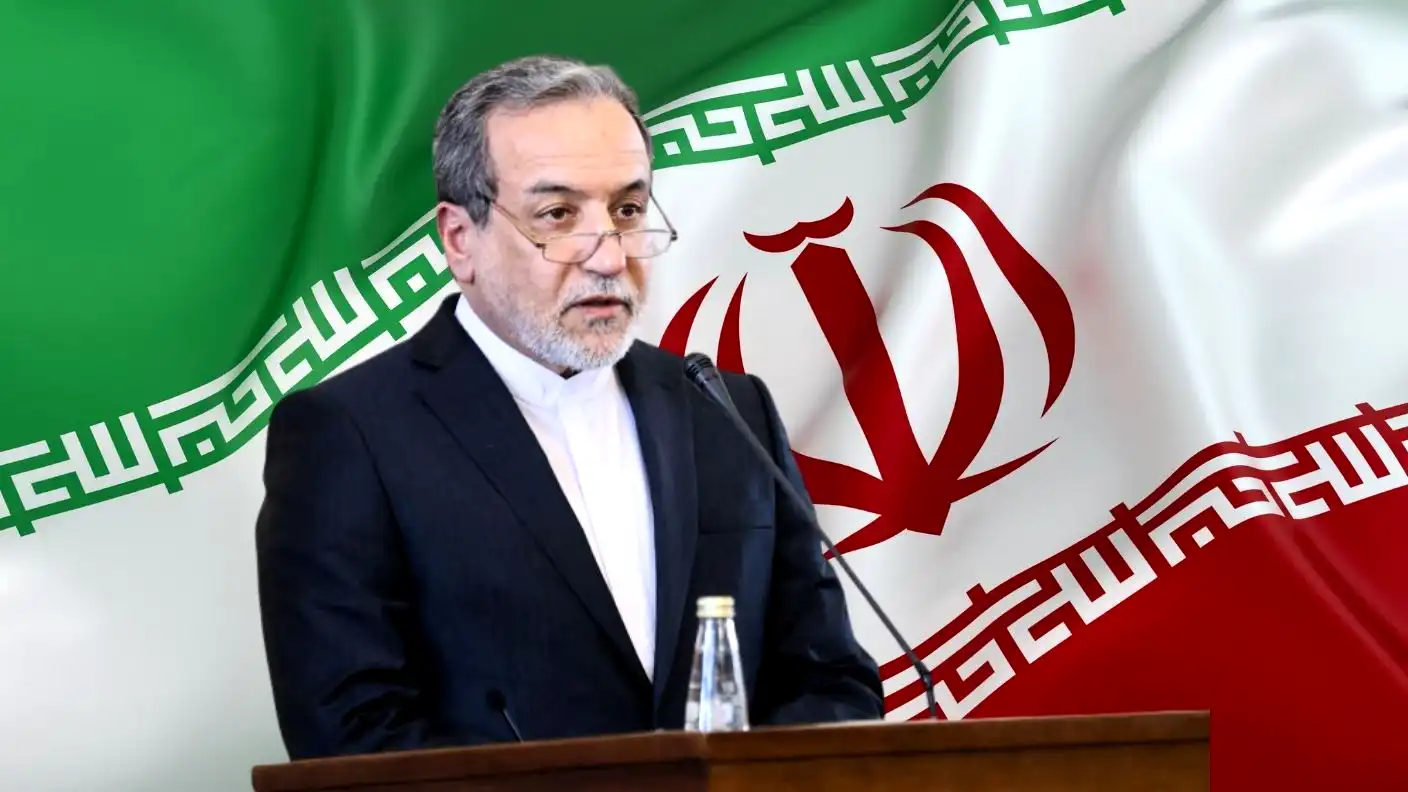
Iran just raised the stakes in its ongoing conflict with the United States. On Tuesday morning, Iranian Foreign Minister Abbas Araqchi issued a stern public warning directly to Washington. He declared that the current United States naval blockade of Iranian commercial ports serves as a literal act of war. Araqchi posted his fiery message on the social media platform X, telling the world that this aggressive military move destroys the fragile ceasefire agreement that leaders signed just 3 weeks ago. The sudden statement sparked immediate panic across global political circles.
The United States military currently holds a tight grip on major shipping lanes leading into the Middle Eastern country. American warships block exactly 4 major Iranian ports, including the massive shipping hub at Bandar Abbas. Right now, more than 50 large commercial ships and heavy oil tankers sit stuck at sea. They cannot unload their valuable cargo or pick up new export goods. Financial experts estimate that this naval blockade costs the Iranian economy roughly $2 billion in lost trade every single week. Local port workers stay home without pay, and supply chains face total collapse.
This port blockade directly threatens a very delicate peace treaty. Exactly 14 days ago, diplomats from both nations agreed to a temporary ceasefire to stop active shooting in the Persian Gulf. The written agreement required both military forces to step back and allow normal business to resume. Araqchi argues that placing heavily armed warships right outside civilian harbors clearly violates the core rules of that exact peace deal. He views the blockade not as a basic security measure, but as an active military attack against the everyday citizens of Iran.
Iran refuses to back down from the American pressure. In his online post, the foreign minister confidently stated that his government knows exactly how to neutralize these severe economic restrictions. He promised the public that Iran would actively defend its national interests and resist foreign bullying at all costs. To back up his strong words, the Iranian military quickly deployed 15 fast attack boats to patrol the coastal waters. The government also plans to route over 1 million barrels of crude oil per day through alternative land borders to reach loyal buyers in Asia.
Global financial markets reacted violently to the terrifying news on Tuesday. Oil traders panic whenever military tensions rise near the vital Strait of Hormuz. Because the blockade threatens international energy supplies, the price of global crude oil spiked by exactly 4.5 percent within just 3 hours. Brent crude oil easily shot past the $95 mark for a single barrel. Everyday drivers in America and Europe will likely feel the pain soon, as local gas stations typically raise prices by 10 to 15 cents per gallon after these massive global market shocks.
The United States government defends its aggressive naval actions. Washington officials claim they enforce the blockade to stop dangerous weapons from leaving the specific Iranian ports. The Pentagon currently keeps 4 large naval destroyers in the region to search outgoing cargo ships for illegal missiles and drones. American generals argue that the ceasefire only stopped direct missile attacks, but it did not cancel international economic sanctions. They plan to keep the heavy ships in place until Iran allows international inspectors to search the massive port warehouses.
Diplomatic leaders now face a terrifying race against the clock to prevent a massive war. The United Nations Security Council scheduled a mandatory emergency meeting within the next 48 hours to discuss the failing ceasefire. Mediators from 3 neutral countries currently scramble to arrange direct phone calls between Washington and Tehran. If these talks fail, military analysts warn that a simple miscalculation at sea could easily trigger a full-scale battle involving over 300,000 active troops across the Middle East.















