
For decades, the security of the Western world rested on a simple, unspoken agreement. The United States provided the military muscle, and Europe focused on rebuilding its economy and society after the devastation of global wars. Through the North Atlantic Treaty Organization (NATO), this partnership maintained a long period of relative peace across the continent. But times change, and the world looks very different today. New threats emerge, political winds shift, and the old ways of doing things no longer work perfectly.
Today, European leaders are having tough conversations about how to defend their own borders. They want to build stronger, more independent military forces. At the same time, they want to keep their historic alliance with the United States alive. This balancing act causes intense debates. American politicians demand that Europe spend more on defense, while European officials worry about overreliance on an unpredictable partner across the ocean. We need to look closely at these shifts to understand how the future of global security will unfold.
The Long Shadow of American Protection
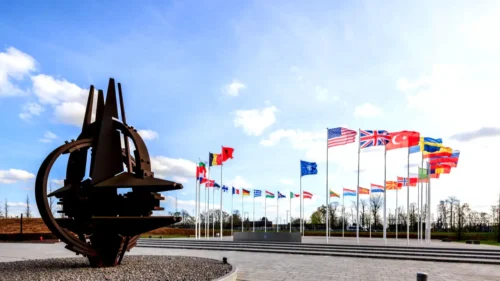
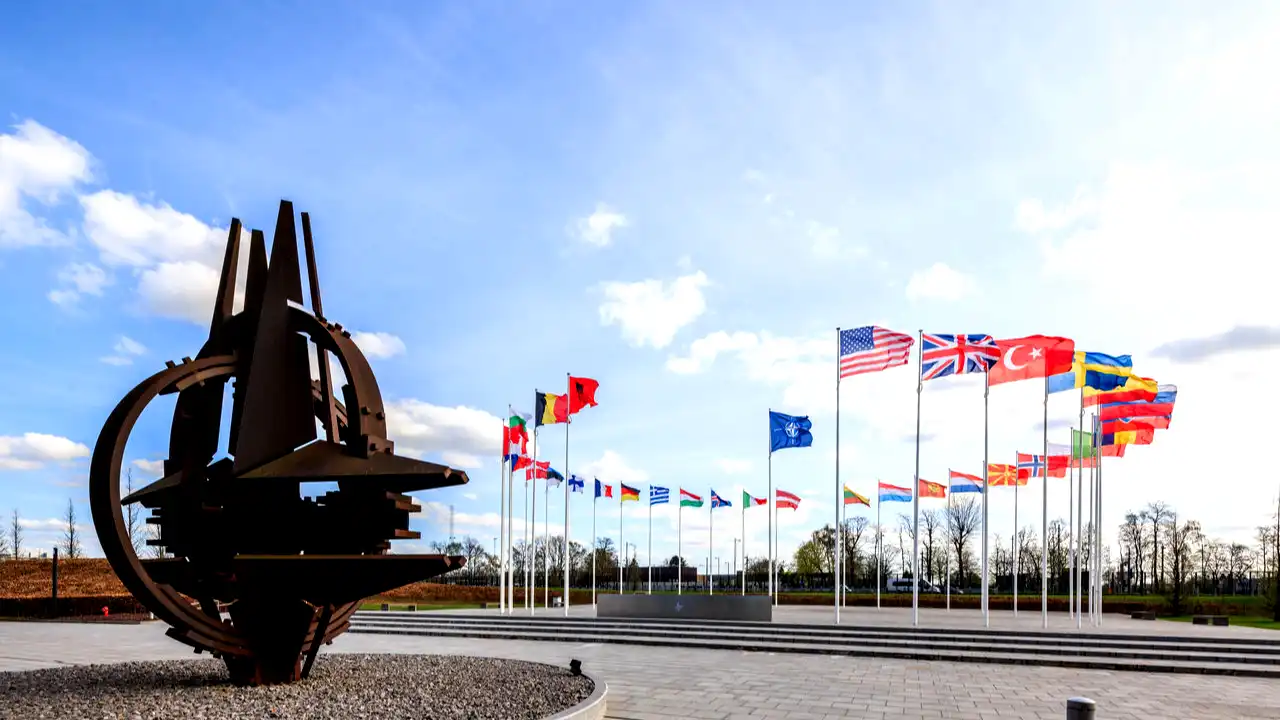
To understand the current arguments, we have to look at how the system originally started. Western nations created NATO to deter aggression and present a unified front. In this setup, the United States naturally took the lead. American taxpayers funded a massive military machine, and American troops stationed themselves across European bases.
This arrangement gave European countries a unique advantage. Because they did not have to spend huge portions of their national budgets on weapons and armies, they could invest heavily in public services, healthcare, and infrastructure.
However, relying on someone else for protection comes with strict trade-offs:
- Europe lost some independence in foreign policy decisions.
- European weapon manufacturers struggled to compete with giant American defense contractors.
- Military readiness dropped across the continent, as governments let their armed forces shrink.
The Dream of European Strategic Autonomy
As global threats move closer to European borders, leaders in Paris, Berlin, and Brussels realize they cannot simply wait for an ally to save them. They champion a concept called “strategic autonomy.” This simply means they want the ability to act militarily alone if necessary, without asking the United States for permission or support.
Building a truly independent European defense force is a massive challenge. Europe consists of many countries with different languages, priorities, and military cultures. Yet, the push for independence is gaining real momentum. European nations are finally pooling their money to design new fighter jets, build advanced tanks, and launch surveillance satellites together.
We see this push for independence taking shape in several concrete ways:
- Creating rapid deployment forces that can respond to crises in neighboring regions without American transport planes.
- Funding joint research programs so that European countries buy weapons from each other rather than importing them from outside.
- Setting up independent command centers to manage military operations directly from Europe.
The Friction Between Old Friends
Friendships face tests when money and power change hands. The relationship between the United States and its European allies is currently strained. For years, American leaders have complained about “burden sharing.” They point out that the United States spends a massive percentage of its wealth on defense, while many wealthy European countries fail to meet the minimum spending targets set by the NATO alliance.
American officials argue that Europe uses the US military as a free security guard. They want European countries to buy their own equipment, train more soldiers, and handle their own backyard issues. On the other side, European leaders feel frustrated by the way the United States handles its foreign policy. When Washington shifts its attention toward Asia or changes its political tone, Europe feels exposed and vulnerable.
Furthermore, Europe resents the expectation that it should spend its new defense budgets exclusively on American-made weapons. European politicians want to use that money to build up their own local defense industries. When they choose a European defense contractor over an American one, Washington often protests. This constant bickering over money and contracts strains the trust that holds the alliance together.
Strengthening NATO for a Modern World
Despite the loud arguments and political drama, NATO is not falling apart. In fact, the alliance is growing larger and attempting to become stronger. The reality of modern conflict forces these nations to realize they still need each other. A united front remains the best way to prevent wars from starting in the first place.
The challenge now lies in changing how NATO works. The alliance must figure out how to make room for a stronger, more independent Europe. If European countries build better armies, NATO as a whole becomes more intimidating to potential enemies. A strong Europe does not have to mean a weak NATO.
To adapt to the modern world, the alliance focuses on several critical upgrades:
- Standardizing ammunition and equipment so soldiers from different countries can easily fight side by side.
- Improving cyber defense capabilities, because modern wars often start with attacks on computer networks and power grids.
- Moving troops and equipment closer to vulnerable borders to show absolute readiness to defend every inch of allied territory.
What This Means for the Rest of the World
When Europe and the United States change how they defend themselves, the entire globe feels the impact. The world currently operates on a delicate balance of power. If Europe successfully builds a powerful, independent military force, it will change from a continent known only for trade and soft power into a serious hard-power player. Other nations will have to adjust how they negotiate with European leaders.
Additionally, if Europe assumes primary responsibility for its own neighborhood, the United States gains the freedom to focus its attention elsewhere. American forces can pivot toward the Pacific or other areas of global tension. This shift could change alliances and rivalries in Asia, the Middle East, and Africa.
Finally, a stronger European defense industry means more competition in the global arms market. Developing nations seeking to buy defense equipment will have more options, which could change international trade dynamics. The choices made in Brussels and Washington today will rewrite the rules of global security for the next century.
The Path Forward
We stand at a turning point in history. The old model of a dependent Europe and an overburdened United States is slowly breaking down. Replacing it is a painful, noisy process. Politicians will continue to argue over budgets, generals will clash over command structures, and diplomats will have to work overtime to smooth hurt feelings.
However, this transition is necessary. A partnership only survives when both sides pull their own weight. By stepping up and taking responsibility for its own safety, Europe actually ensures that the Western alliance will survive the chaotic decades ahead. The bond across the ocean is stretching and changing shape, but if leaders manage this shift carefully, the result will be a safer, more balanced world.