

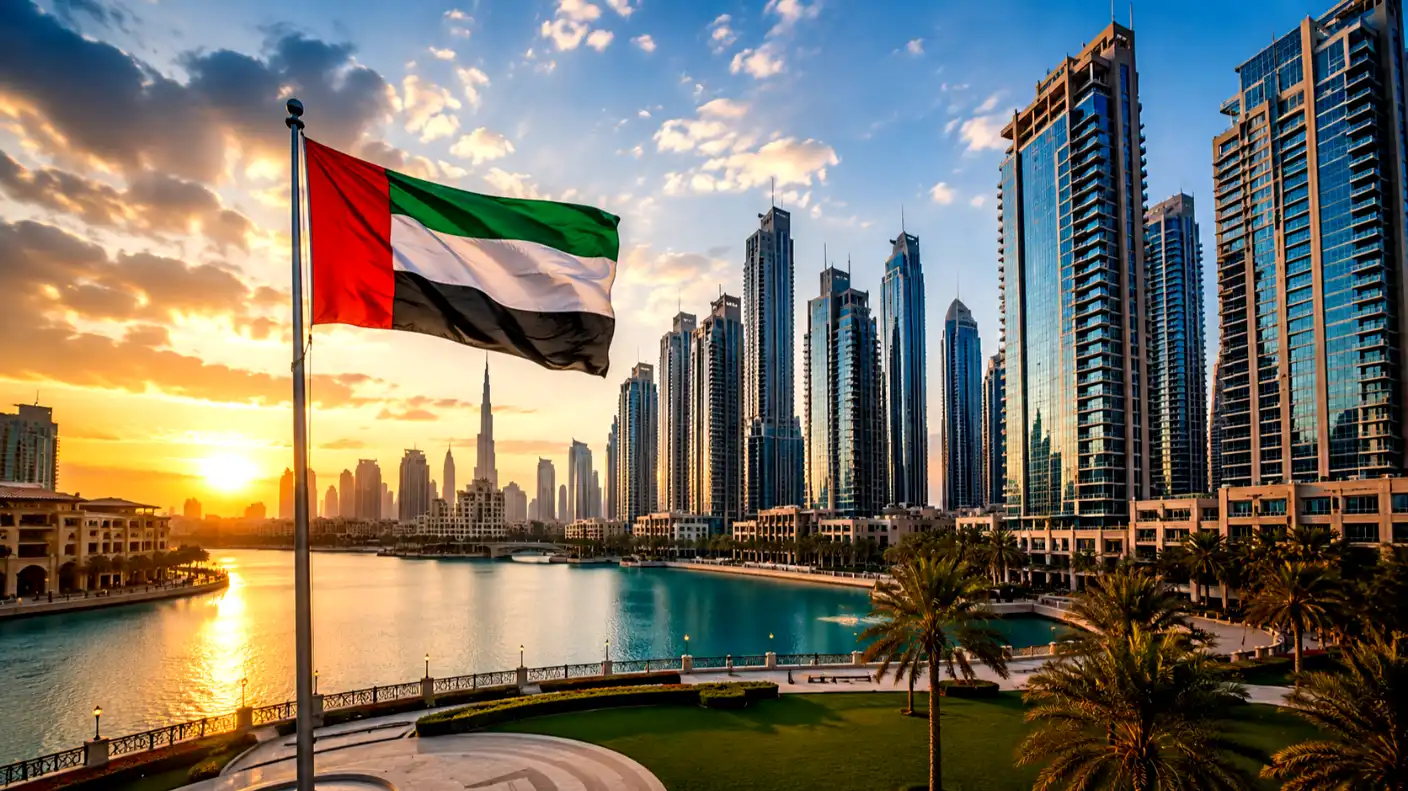
The United Arab Emirates just made a massive decision that will change the global energy market. The Middle Eastern nation announced it will officially leave the Organization of the Petroleum Exporting Countries. Financial experts at BCA Research quickly reviewed this move and published a new 10-page note for investors. The analysts predict this exit will create a brand-new group of oil-producing nations. They call this new group an anti-OPEC club. These countries will focus on pumping more crude oil and selling it at lower prices to buyers around the world.
The ongoing war with Iran definitely sped up this historic departure. Leaders in Abu Dhabi felt the intense pressure of the military conflict and decided they needed to act immediately. However, the true reasons for the exit go far beyond the current war. The United Arab Emirates spent the last 5 years quietly fighting alongside Saudi Arabia. Both nations desperately want to control the future of the Middle Eastern energy market.
For decades, Saudi Arabia used its massive size to guide OPEC policy from Riyadh. The United Arab Emirates finally grew tired of this unbalanced dynamic. The smaller nation simply refused to hand over control of its national oil production policy to its powerful neighbor anymore. Abu Dhabi wants to make its own choices about how much oil it sells to foreign markets.
Production limits caused the biggest arguments between the 2 countries. The United Arab Emirates recently spent nearly $15 billion to upgrade its drilling equipment and expand its major oil fields. The country built the heavy infrastructure needed to pump up to 4 million barrels of crude oil every single day. Despite these massive financial upgrades, OPEC forced the country to keep strict production limits. The cartel told Abu Dhabi to leave its valuable oil in the ground to keep global prices artificially high.
The United Arab Emirates can actually afford to sell cheap oil. Financial analysts note that the country has a very low fiscal breakeven point. This means the government does not need oil prices to stay around $80 or $90 a barrel to balance its national budget. Because the country manages its money well, it can easily survive a global market where crude oil prices drop significantly below $60 a barrel.
Right now, the global oil supply remains incredibly tight because of the war. Military forces completely shut down the Strait of Hormuz, stopping massive oil tankers from moving through the region. The United Arab Emirates knows this shipping closure will eventually end. When the Strait finally reopens, Abu Dhabi wants the total freedom to raise its oil production instantly. They want to flood the market and capture new buyers without first asking OPEC for permission.
BCA Research analysts told investors not to expect any sudden price crashes today. In fact, they say the exit will have almost no immediate impact on the oil market in 2026. The blocked Strait of Hormuz serves as the ultimate bottleneck right now. Until commercial ships can safely navigate those dangerous waters again, no country in the Middle East can increase its daily exports anyway.
However, the long-term picture looks terrible for OPEC leaders. Losing the United Arab Emirates strips the powerful cartel of a massive share of global production. The group will also lose access to a huge amount of spare pumping capacity. Without this emergency backup oil, OPEC will seriously struggle to control global markets and defend high prices over the next 10 years.
Other frustrated nations will likely watch the United Arab Emirates very closely. If Abu Dhabi succeeds and makes more money, countries like Venezuela and Kazakhstan might pack their bags and leave the cartel, too. These nations also desperately want to pump more oil and grow their local economies rather than follow strict supply rules handed down by Riyadh.
If these 3 or 4 countries join forces, they will form a loosely connected bloc of eager producers. Experts believe this new group will likely build friendly business relationships with the United States and other major Western buyers. By prioritizing high production output over coordinated supply cuts, this new anti-OPEC club will create a permanent roadblock for anyone trying to push crude oil prices higher.















