
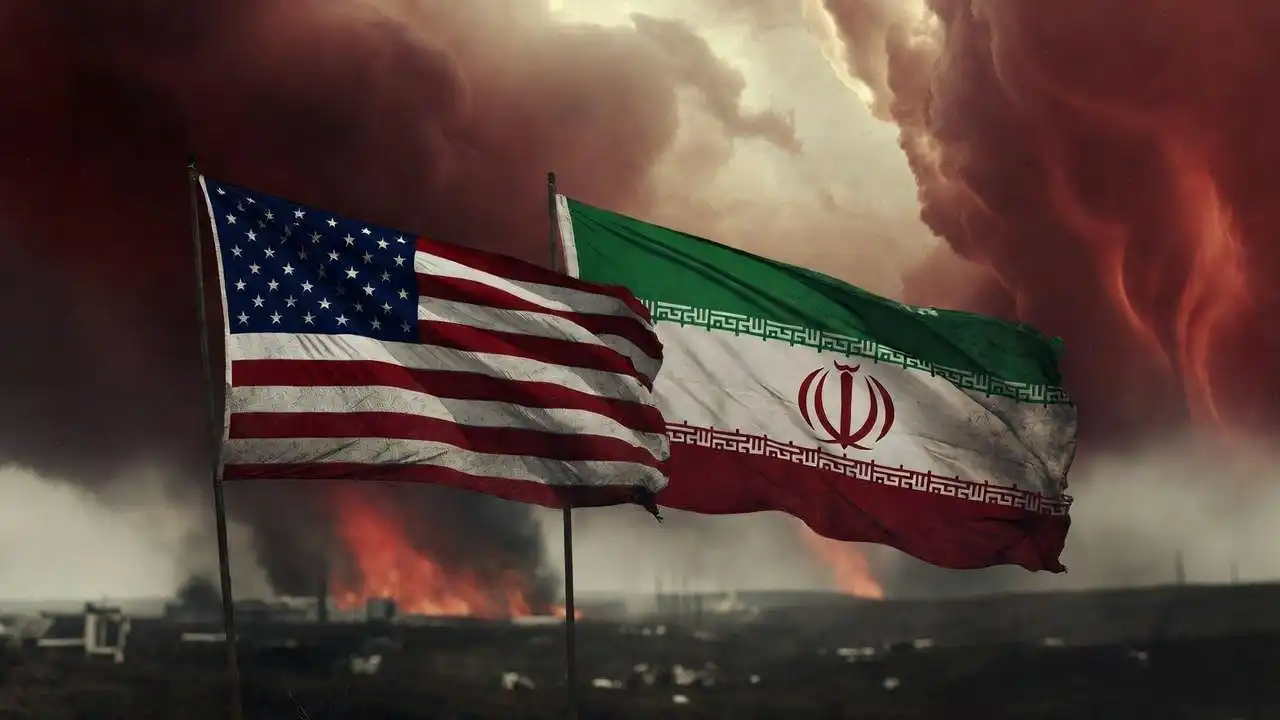
Diplomats struggle to end the war between the United States and Iran as both nations exchange fresh gunfire in the Persian Gulf this Friday. Washington currently waits for Tehran to accept a new peace proposal, but military violence threatens to ruin the negotiations. A leaked CIA report shows that the Iranian government can easily survive a United States naval blockade for another 4 months. The Washington Post published this assessment, which reveals that American negotiators hold limited leverage over Iran.
A senior intelligence official quickly pushed back against the leaked CIA claims. The official called the 4-month timeline false and insisted the current naval blockade causes real economic damage to Iran. He stated that the cutoff crushes Iranian revenue and accelerates a total economic collapse. However, the ongoing war remains highly unpopular with American voters back home, putting heavy pressure on politicians to find a quick solution.
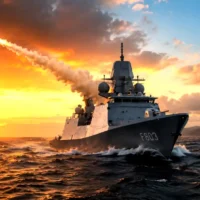
Violence spiked in the Strait of Hormuz this week, marking the worst fighting since the 2 sides agreed to a temporary ceasefire exactly 1 month ago. The United States military sent a fighter jet to strike 2 Iranian vessels that tried to enter a local port. The jet shot their smokestacks and forced the ships to turn around immediately. Iran has blocked almost all foreign shipping in this waterway since February 28, the day American and Israeli forces launched joint airstrikes across Iran. Last month, the United States imposed its own blockade on Iranian ships.
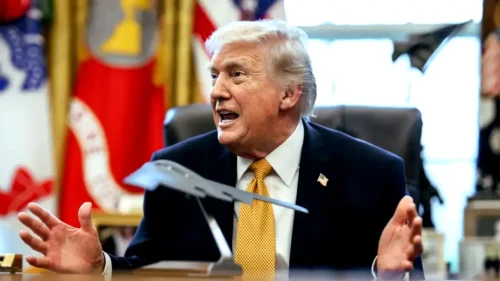
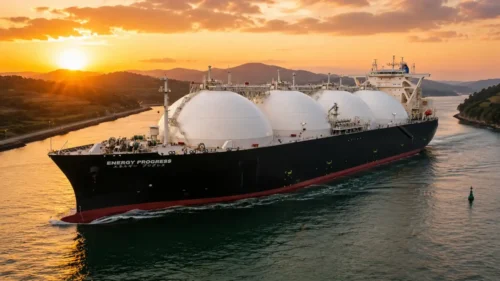
These shipping disruptions cause intense problems for global energy markets. The Strait of Hormuz usually handles roughly 1/5 of the global oil supply during peacetime. Oil prices jumped this week, pushing Brent crude futures above $101 a barrel, though prices still sit 6% lower than last week. President Donald Trump told reporters on Thursday that the ceasefire still holds, despite recent violence near major oil routes.
The conflict also spilled over the waterway and hit neighboring countries. Iran attacked the United Arab Emirates again on Friday. Air defense forces in the UAE intercepted 2 ballistic missiles and 3 explosive drones, but the falling debris caused moderate injuries to 3 people. Iran aggressively targets Gulf states that host American military bases. Tehran escalated these drone strikes right after Trump announced “Project Freedom,” a plan to escort commercial ships through the strait. Trump paused the escort project just 48 hours after his initial announcement.
Iranian leaders blame Washington for the April 7 truce’s collapse. Foreign Minister Abbas Araqchi claimed on Friday that the United States chooses reckless military adventures instead of diplomatic solutions. Iranian news outlets reported severe casualties from an American Navy attack on a commercial ship late Thursday night. The Mehr news agency reported that the specific strike killed 1 crew member, wounded 10 people, and left 4 sailors missing at sea.
American diplomats demand more help from European allies to secure the region. Secretary of State Marco Rubio traveled to Rome on Friday and met with Italian Prime Minister Giorgia Meloni. Rubio asked why Italy and other friendly nations refuse to help America reopen the blocked strait. He warned allies that letting Iran control an international waterway sets a terrible precedent that other hostile countries will soon copy. Rubio also noted that Washington expects a formal answer from Iran regarding the peace proposal by the end of the day.
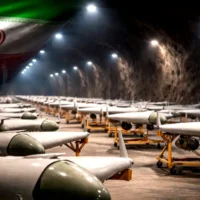
While Rubio pushes for diplomacy, the United States Treasury Department announced strict new penalties. The Treasury slapped direct sanctions on 10 individuals and companies, including several businesses operating in China and Hong Kong. American officials accuse these groups of helping the Iranian military buy raw materials to build deadly Shahed drones.
The Treasury threatened to destroy Iran’s military industrial base so that the country could not rebuild its weapons factories. Financial regulators also warned they will punish any foreign banks that support Iranian businesses. They specifically threatened to impose secondary sanctions against small, independent oil refineries in China. These aggressive financial threats arrive just days before President Trump flies to Beijing for a high-stakes meeting with Chinese President Xi Jinping.