

You walk into a shoe store to buy a new pair of running sneakers. Last year, the exact same pair cost eighty dollars. Today, the price tag says one hundred dollars. The shoes look exactly the same. The materials feel exactly the same. So, why did the price jump twenty dollars? You can blame the ongoing global trade fight and a simple tool called a tariff.
A tariff is simply a tax that a government places on goods coming into the country from somewhere else. Politicians often go on television and claim these taxes will punish foreign countries. They promise that foreign factories will pay the penalty for unfair trade. But that narrative skips a very important step. Foreign factories do not pay the tax. You do.
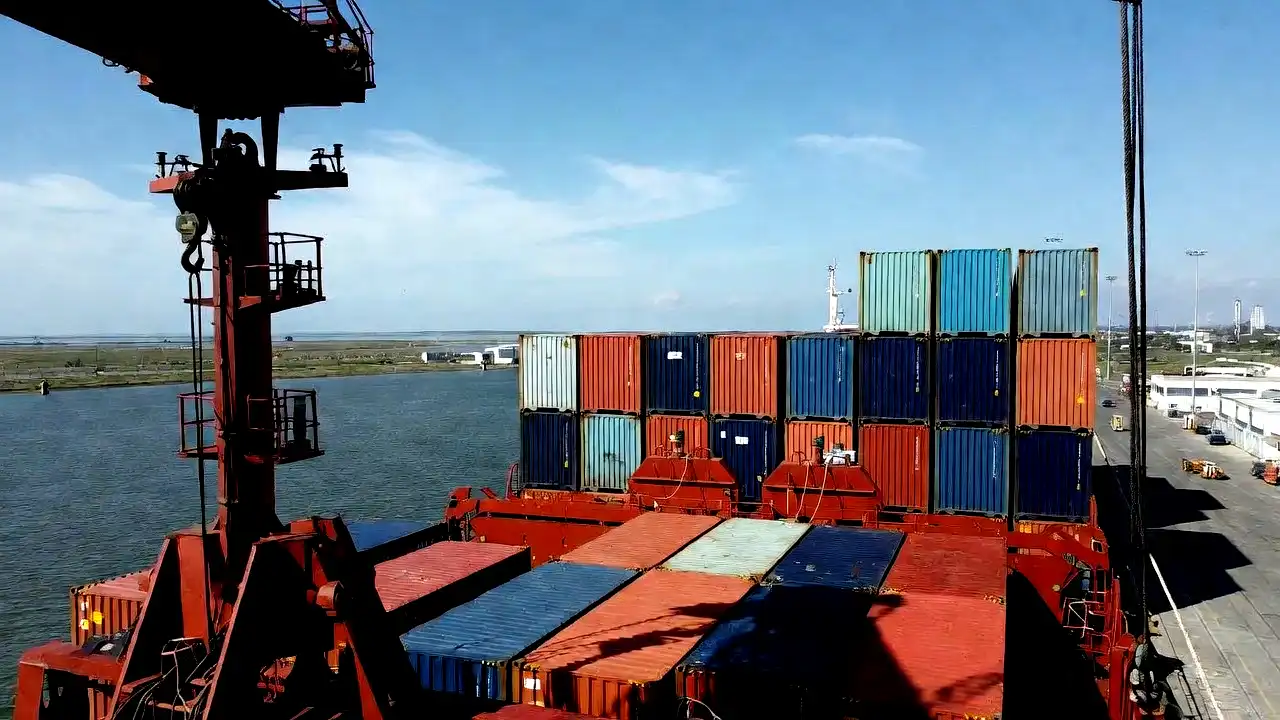
Let us trace the journey of your running shoes. A factory overseas buys rubber, cloth, and foam. Workers glue and stitch the shoes together. The factory owner packs thousands of shoe boxes into a metal shipping container. They sell that container to a retail brand in your country. Before the container can leave the port and travel to the local mall, it must pass through customs.
This is where the tariff hits. The customs officers look at the new trade rules. The rules say all shoes from that specific foreign country now carry a twenty-five percent tax. The retail brand wants its shoes, so it pays the government the extra money. The retail brand refuses to lose money on the deal. To cover the cost of the tax, the brand simply crosses out the old price tag and prints a higher number.
The strategy creates a massive ripple effect across the economy. Families have a strict budget for back-to-school shopping. When shoes cost more, parents buy fewer pairs. They might tell their kids to wear their old sneakers for another six months. Because people buy fewer shoes, the local shoe store makes less money. The store owner might hold off on hiring a new cashier for the holiday season.
Governments use tariffs because they want to protect local shoe factories. They hope that if foreign shoes cost too much, you will buy shoes made right down the street. The problem is that local factories cannot just magically appear overnight. Building a new shoe factory takes years. You need land, machines, and trained workers. Even if a company decides to build a local factory tomorrow, you still need shoes today.
While the politicians wait for local factories to open, regular people keep paying the higher prices. The trade conflict acts as a hidden tax on everything you buy. It reaches into your wallet every time you scan an item at the checkout counter. Until governments decide to negotiate and lower these barriers, the cost of basic living will just keep climbing. Next time you see a price hike, do not blame the store clerk. Blame the trade war.















