
For over a century, fossil fuels—oil, coal, and gas—powered our modern lives. They built our cities, fueled our cars, and kept our factories running. But this progress came at a heavy price: a warming planet and polluted air. Today, the world faces a necessary and massive project: shifting our energy system away from old, dirty fuels toward cleaner, renewable sources. This transition is no longer just an environmental wish; it is the most important economic priority of our time.
The move to wind, solar, and nuclear power changes everything. It changes how we create jobs, how we invest money, and how we protect our health. Some worry that this shift will hurt the economy, but the reality tells a different story. The transition to clean energy serves as a powerful driver of new technology and long-term stability. By looking at this issue from a global perspective, we can see that building a renewable future is not just about survival; it is about building a better, more reliable system for everyone.
Why We Must Leave Fossil Fuels Behind
We rely on fossil fuels because they are easy to store and pack a lot of energy. Yet, we know their limits. Burning them releases carbon dioxide, which traps heat in our atmosphere, leading to extreme weather, rising seas, and unpredictable harvests. This path is not sustainable because we will eventually run out of these resources, and the cost of cleaning up the damage they cause is already sky-high.
We have reached a point where continuing down the old road makes less sense every day:
- Climate Damage: Every ton of coal we burn adds to the heat already trapped in the sky, making storms and droughts worse.
- Health Costs: Pollution from power plants and cars harms our lungs, causing millions of premature deaths worldwide every year.
- Price Swings: Fossil fuel markets are notoriously unstable. A conflict or a supply hitch on the other side of the world can make the price of heating your home spike overnight.
- Technological Limits: The world of the future needs smarter, cleaner energy that can be generated locally, something fossil fuels simply cannot do.
Harnessing the Power of the Sun and Wind
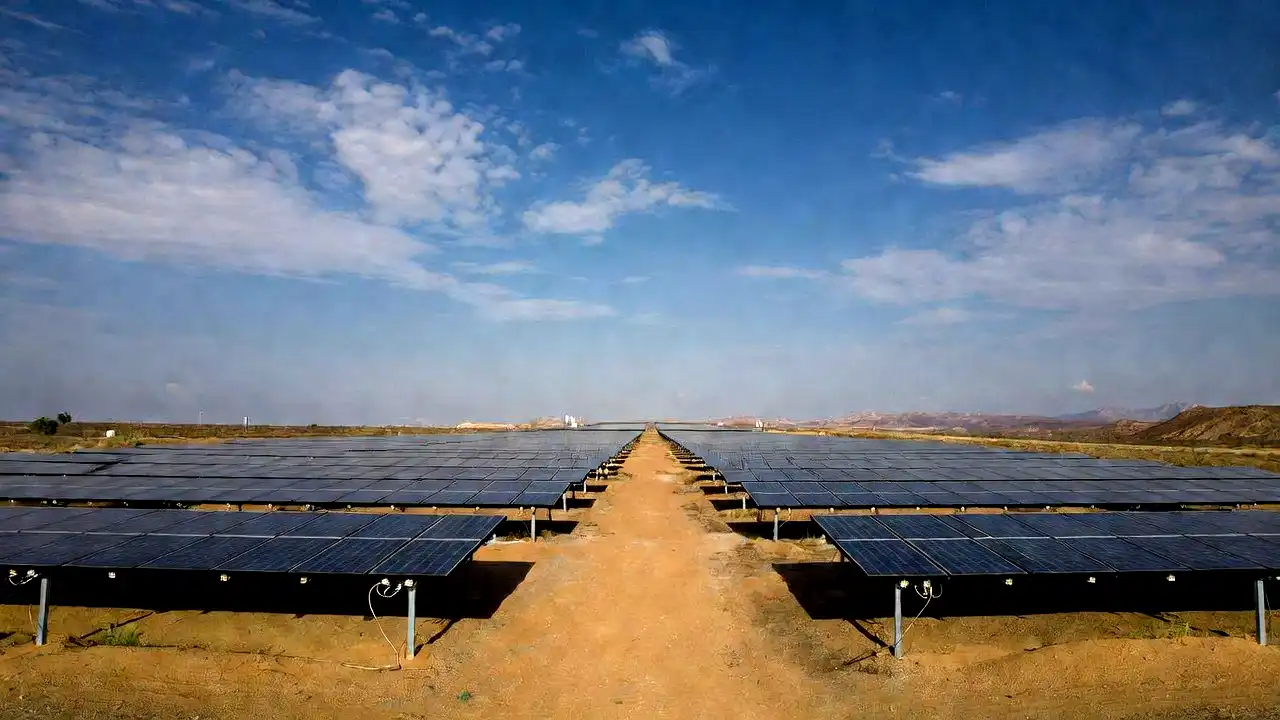
Solar and wind energy have transformed from niche technologies into the cheapest ways to generate power today. In the past, people said they were too expensive or unreliable, but that is simply not true anymore. Advances in solar panel efficiency and wind turbine design have enabled many countries to generate a large share of their electricity from these natural sources.
The beauty of solar and wind lies in their abundance. The sun shines everywhere, and the wind blows across every continent. They allow nations to stop relying on fuel imports from other countries, giving them true energy independence. When a country generates its own power, it doesn’t have to worry about global price wars or political tension affecting its light switches. It creates a localized, secure grid that stays up even when the rest of the world faces trouble.
The Role of Nuclear Power in a Clean Grid
When we talk about clean energy, the conversation sometimes skips over nuclear power, but we cannot afford to ignore it. Nuclear energy provides a “base load”—a constant flow of power that doesn’t depend on the sun shining or the wind blowing. As we retire old coal plants, nuclear power serves as a steady, low-carbon partner to our solar and wind farms.
New technology is also making nuclear power safer and more flexible:
- Small Modular Reactors: These are smaller, safer versions of traditional reactors that can be built in factories and moved to where they are needed.
- Advanced Safety: Modern plants include automatic cooling systems that operate without human intervention to prevent accidents.
- Waste Management: Scientists are making progress on recycling nuclear fuel, which reduces the volume of radioactive waste we need to store.
- Consistent Output: While solar and wind are great, they need batteries or backup power. Nuclear energy keeps the grid steady 24/7 without burning carbon.
Building a Global Economy Based on Green Tech
The shift to clean energy creates millions of high-quality jobs. We need engineers, construction crews, researchers, and factory workers to build the solar panels, wind blades, and power lines of the future. This transition is not about killing jobs; it is about moving workers from dangerous, sunset industries into clean, sunrise industries that will thrive for the next hundred years.
Smart governments are already competing to lead this green revolution:
- New Supply Chains: Nations are rushing to secure the minerals—like lithium, copper, and nickel—needed for batteries and electric grids.
- Research Investment: Money is pouring into improved battery storage, which allows us to store energy generated by the sun for use at night.
- Manufacturing Growth: Countries that master the production of green technology are becoming the new leaders of global trade.
- Energy Efficiency: A huge part of the transition is simply wasting less energy. Better windows, smarter appliances, and efficient buildings mean we need less power to begin with.
The Challenge of Storing Clean Energy
The biggest hurdle for wind and solar is the “intermittency” problem. The wind doesn’t always blow, and the sun doesn’t shine at night. To make renewables the main source of power, we have to store that energy for when we need it. This is where battery technology comes in. The race to build better, cheaper, and safer batteries is one of the most important races in the modern economy.
We are seeing amazing breakthroughs in energy storage:
- Utility-Scale Batteries: Massive shipping containers filled with batteries now act like giant shock absorbers for the power grid.
- Pumped Hydro: Using leftover electricity to pump water uphill, then letting it flow down to generate power when demand spikes.
- Green Hydrogen: Using clean electricity to split water into hydrogen, which we can store as fuel and burn later without creating carbon.
- Smart Grids: Using artificial intelligence to balance demand in real-time, sending power exactly where it is needed at the exact moment it is used.
Why Energy Independence Is a National Security Issue
For decades, we didn’t worry enough about where our energy came from. We assumed the global market would always provide. The last few years taught us that this assumption was wrong. When a nation depends on another country for its oil or gas, it loses its leverage. It becomes vulnerable to price manipulation and political pressure.
Moving to renewables changes the map of power. When a nation generates its own energy, it becomes a fortress of stability. It doesn’t need to fear the next global oil crisis because its power comes from its own wind, its own sun, and its own geothermal heat. This independence is a form of national security that no army can buy. It makes the entire world safer by reducing competition over finite, imported fuel sources that have triggered wars in the past.
A Global Effort for a Shared Planet
Climate change does not respect borders. A coal plant in one country affects the air quality and the climate of another. This is why the energy transition must be a global team effort. Wealthier nations have a responsibility to share their green technology and help developing countries skip the “fossil fuel phase” of industrialization entirely.
Helping developing nations build clean grids is not just charity; it is a smart strategy. If the world’s fastest-growing regions rely on coal, the planet will reach a breaking point. But if they go straight to solar, wind, and storage, we can all reach our climate goals much faster. This requires a global flow of capital, expertise, and political will that we have rarely seen before.
Conclusion: Seizing the Future
We are living through a massive transition that occurs only once every few generations. Like the shift from horse and buggy to the automobile, moving to clean energy feels scary and expensive at first. But we have to remember the result. We are building a world with cheaper energy, cleaner air, and more reliable power grids.
The transition to renewables is a work in progress, and we will hit bumps in the road. We will need to mine materials responsibly, figure out how to recycle old panels, and make sure that nobody gets left behind as the job market changes. But we have the technology to get the job done. The question is no longer whether we can make the switch to clean energy—it is how fast we will make it. Our future depends on us choosing the path that leads to stability, health, and lasting growth. Let’s make that choice together.