

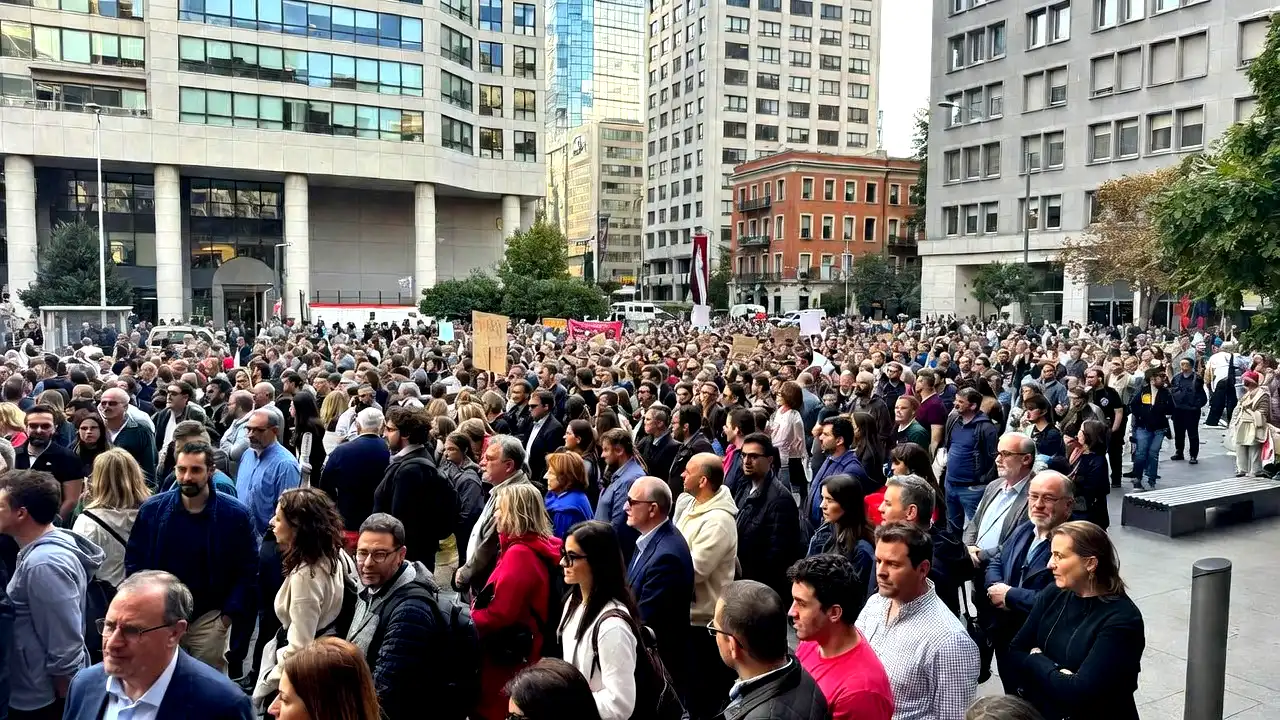
Every person on this planet deserves to live a life free from fear and full of opportunity. This is a simple idea, but for billions of people, it remains a dream rather than a reality. All over the world, social movements are rising to demand justice. They aren’t just asking for small changes anymore. They are calling for universal rights that apply to every human being, regardless of who they are or where they live. From the fight for reproductive justice to the push for true disability inclusion, the message is clear: society only succeeds when everyone has a seat at the table.
We often talk about rights as if they are static rules written on a page. But rights are alive. They grow and change as we learn more about what it means to be human. Today, we understand that true equality isn’t just about giving people the same laws; it’s about making sure everyone has the same real-world chance to thrive. This article examines how these movements are reshaping our world and why a global perspective on human rights is the only way to build a better future.
Why Reproductive Justice is a Global Health Priority
Reproductive justice means more than just the right to choose. It means the right to have children, the right not to have children, and the right to raise the children we have in a safe, healthy environment. For many years, the conversation focused only on one small piece of this puzzle. Today, activists are taking a wider look. They realize that you cannot talk about reproductive health without talking about poverty, race, and access to basic medical care.
When we look at this through a global lens, the gaps become obvious. In some places, people have all the options in the world. In others, a lack of basic supplies or a fear of judgment makes a simple doctor’s visit a dangerous hurdle. Reproductive justice is a human right because it touches on the most personal part of our lives: our bodies. If we don’t control our own reproductive choices, we aren’t truly free.
These are the core pillars that activists are pushing for around the world:
- Medical Autonomy: Every person needs the final say over their own body, with access to safe, private medical procedures.
- Comprehensive Education: Knowledge is power. Young people deserve honest, science-based information about their health so they can make smart decisions.
- Economic Safety: Raising a child is expensive. True justice means families have the resources—like food, housing, and childcare—to raise their kids without living in constant stress.
- Freedom from Coercion: No one should ever be forced into a decision, whether that’s a forced pregnancy or a forced sterilization.
The Fight for Disability Inclusion: Beyond Just Ramps
For a long time, the world treated disability as something to be “fixed” or hidden away. Buildings were built without elevators, schools didn’t have special programs, and workplaces ignored the needs of talented people who just happened to move or learn differently. Disability inclusion is changing that. It’s moving away from the idea of “charity” and toward the idea of “rights.”
True inclusion isn’t just about putting a ramp in front of a building. It is about changing how we design our entire world. When we design for the person with the most barriers, we end up making the world better for everyone. For example, automatic doors help someone in a wheelchair, but they also help a parent pushing a stroller or a delivery driver carrying a heavy box. Disability inclusion is about recognizing that “normal” is a myth and that our society should be built to accommodate the wide variety of humans who actually exist.
We need to rethink how we build our communities:
- Digital Access: The internet is the new public square. Websites, apps, and software must be usable by people who are blind, deaf, or have motor disabilities.
- Inclusive Workplaces: Hiring people with disabilities isn’t just the right thing to do; it brings new perspectives and problem-solving skills that companies desperately need.
- Education for All: Schools should be equipped to teach every child. This means investing in specialized training for teachers and the right tools for students.
- Representation: We need to see more people with disabilities in government, in movies, and in leadership roles. If you aren’t at the table, your needs will never be heard.
How Universal Rights Connect Us All
It is easy to think that your rights are separate from someone else’s rights. You might feel that reproductive justice has nothing to do with disability rights. But if you look closer, they are the same fight. Both are about the right to live a life with dignity. Both are about pushing back against systems that tell certain people they don’t matter as much as others.
When one group is denied its rights, it makes every other group more vulnerable. If we allow the government to dictate what a person does with their body, we are setting a dangerous precedent for everyone. If we allow society to ignore the needs of people with disabilities, we are saying that human value is only based on physical or mental “perfection.” Universal rights remind us that we are all in this together. My freedom depends on your freedom.
Overcoming the Barriers to Global Change
The push for equality faces strong resistance. In many parts of the world, powerful groups want to keep things the way they are because it benefits them. They use fear, tradition, and prejudice to slow down progress. Activists are up against deep-seated beliefs passed down for generations.
To overcome these barriers, we need more than just good intentions. We need a strategy that works across different cultures and political systems:
- Coalition Building: Different movements need to work together. People fighting for racial justice, gender equality, and disability rights have the same goal: a world where everyone is treated fairly.
- Changing the Narrative: We have to change the way we talk about rights. We need to frame them not as “special favors” for certain groups, but as the basic requirement for a functioning, stable society.
- Using Data: We need to track where rights are being denied. Hard data makes it much harder for leaders to ignore the problem.
- Grassroots Pressure: Real change almost always starts at the bottom. When everyday people stand up in their own communities, they force those in power to pay attention.
A Global View: Learning from Each Other
No single country has figured out the perfect way to handle human rights. Every nation has its blind spots. One country might be great at disability access but fail on gender equality. Another might be a leader in reproductive health, but lags in how it treats its minority groups. We have to be humble enough to learn from each other’s successes and failures.
The internet allows us to share these lessons in real time. An activist in Brazil can share a successful strategy with an activist in India. We can create a global network of support that transcends borders. When we see a win for human rights in one country, it acts as a spark for the rest of the world. We are living in a moment where global solidarity is more possible—and more necessary—than ever before.
Why We Must Never Go Backward
Sometimes it feels like we are moving forward, and other times it feels like we are losing ground. Progress is not a straight line. There will always be people who want to pull us back to a time when fewer people had a voice. But we have come too far to turn back. Once people have tasted freedom and equality, they will never truly be satisfied with anything less.
We must protect the gains we have made. We have to be the guardians of our own rights. This means showing up for each other, speaking out when we see injustice, and never assuming that the progress we enjoy today is guaranteed for tomorrow. History shows us that rights are only as strong as the people willing to stand up for them.
Conclusion: Building a World Worth Living In
The fight for universal rights is the most important work of our time. It is a slow, difficult, and often exhausting journey. There are no shortcuts. But the goal—a world where every human being can live with pride, safety, and respect—is worth every bit of the struggle. When we make the world more inclusive for people with disabilities, when we ensure bodily autonomy for all, and when we protect the most vulnerable among us, we aren’t just helping “others.” We are building a stronger, more creative, and more compassionate world for ourselves and for those who will come after us. The road is long, but we are walking it together.















