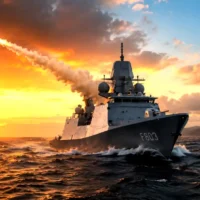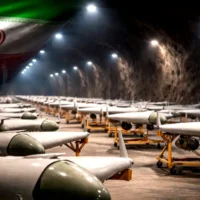

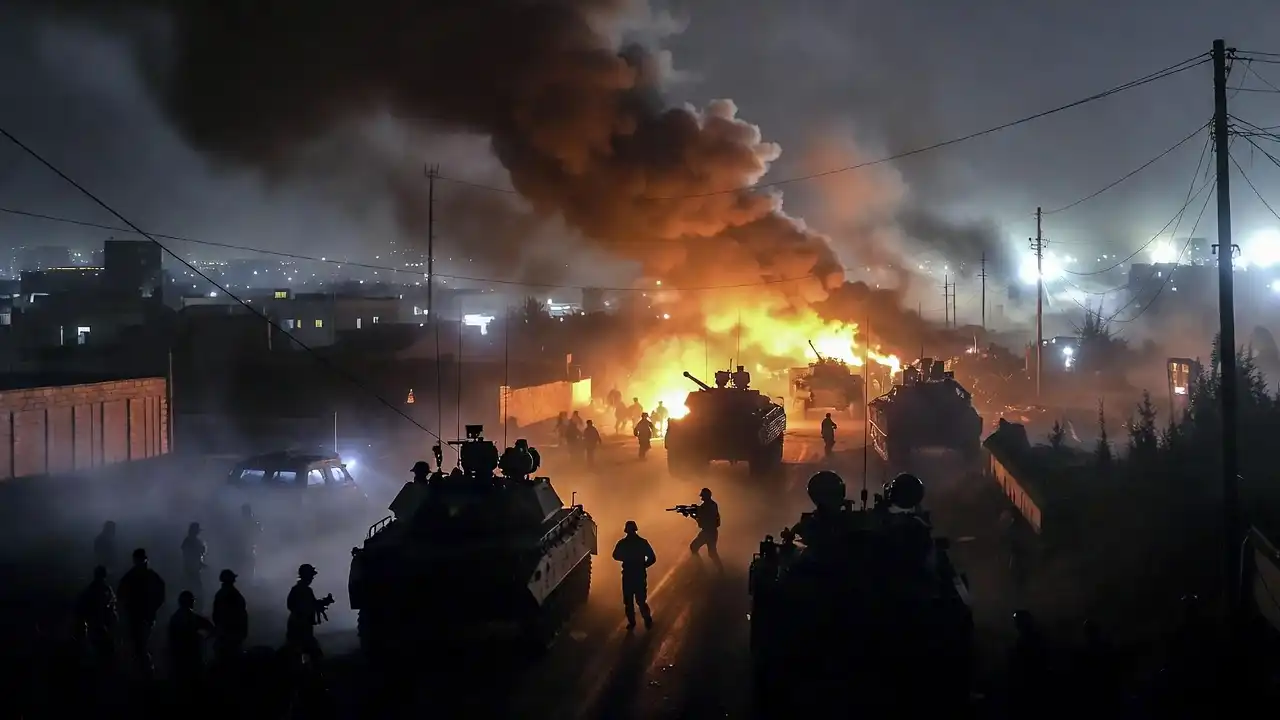
The raging war between the United States, Israel, and Iran is causing massive headaches for European businesses right now. Even though financial analysts originally expected robust earnings for the first quarter of 2026, the sudden spike in global energy prices and severe supply chain disruptions are forcing companies to revise their earnings forecasts downward. Across the entire continent, major brands, from popular airlines to local grocery stores, are feeling the heavy economic sting of the ongoing conflict.
Britain’s top food retailer, Tesco, recently warned its investors that the deep uncertainty surrounding the war could seriously hurt its upcoming profit margins. French spirits giant Pernod Ricard also sounded the alarm, noting that a sharp decline in global tourism is already hurting their international sales. The Swiss chocolate maker Barry Callebaut took an even bigger hit, officially cutting its annual profit forecasts because the war completely wrecked its shipping and supply chains. Meanwhile, British budget airline easyJet warned shareholders to expect a much larger first-half loss, causing its stock price to drop by over 5% on Thursday morning.
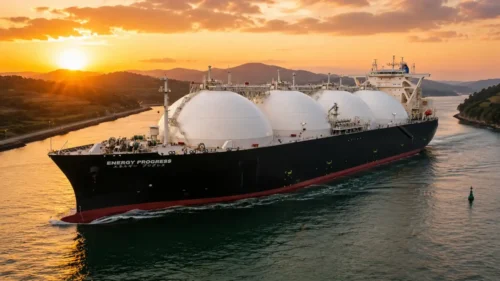
The severity of this corporate pain depends entirely on how long the fighting actually lasts. Everyone in the financial sector desperately hopes for a quick peace deal that will finally reopen the critical Strait of Hormuz. Reopening that vital shipping lane would immediately ease global oil flows and push fuel prices back down to normal levels. Right now, escalating regional tensions have completely roiled the stock markets. Investors worry that a prolonged conflict will push oil prices even higher, spark runaway inflation, and ultimately crush everyday consumer demand.
Despite these terrifying warnings, experts believe the actual financial numbers for the January through March quarter will still look relatively solid. Ciaran Callaghan, the head of European equity research at Amundi, pointed out that the war in Iran affected only roughly one-third of that specific business quarter. He explained that it usually takes a while for higher oil prices actually to feed through the entire economy and hit a company’s bottom line. Because of this natural delay, overall business activity levels have not yet fallen off a cliff.
While investors estimate that European blue-chip companies have only a tiny, single-digit direct exposure to the Middle East, the real dangers lie in the ripple effects. Lower economic growth, massive supply chain delays, and soaring inflation threaten to ruin the rest of the year. Ben Ritchie, an expert at Aberdeen, expects the first-quarter numbers to hold up fine, but he worries the financial outlook for the next 9 months might deeply disappoint investors. However, some sectors are still thriving. For example, ASML, the world’s largest supplier of computer chipmaking tools, reported better-than-expected quarterly earnings and raised its annual outlook as the artificial intelligence boom continues to drive massive sales.
The war is creating a very strange divide between different industries. According to a recent financial report, companies on Europe’s benchmark STOXX 600 index are expected to report 4.2% growth in first-quarter earnings. However, almost all of that growth comes directly from the booming energy sector. Sky-high crude oil prices have massively boosted energy companies. European oil majors expect to deliver an incredible 24% increase in their first-quarter profits compared to the same period last year. Even the massive French group TotalEnergies cited a huge financial boost from high oil prices, despite having to shut down 15% of its global production due to the conflict.
The energy crisis also highlights Europe’s dangerous dependence on imported fossil fuels. Hansjorg Pack, a senior manager at DWS, said the only logical conclusion is to spend billions of dollars to accelerate the installation of alternative green energy sources and upgrade the local power grid. While this massive inflation hurts regular consumer companies and luxury brands like LVMH and Hermes, it could actually help the big banks. Financial experts believe the European Central Bank might hike interest rates by a total of 50 basis points, 2 more times, which would generate billions in additional profit for the European banking system.
Christoph Berger, a chief investment officer at Allianz GI, originally predicted high-single-digit, or even double-digit, growth for European corporations before the bombs started falling on February 28. Now, he simply hopes for solid growth. To survive this chaos, many companies are aggressively cutting costs and restructuring their internal operations. While a few businesses have slashed their proposed stock dividends to save cash, many others are actually spending millions of dollars on stock buy-backs. They see their currently depressed stock prices as a great return on investment and want to stop the recent market selloff before it gets any worse.