

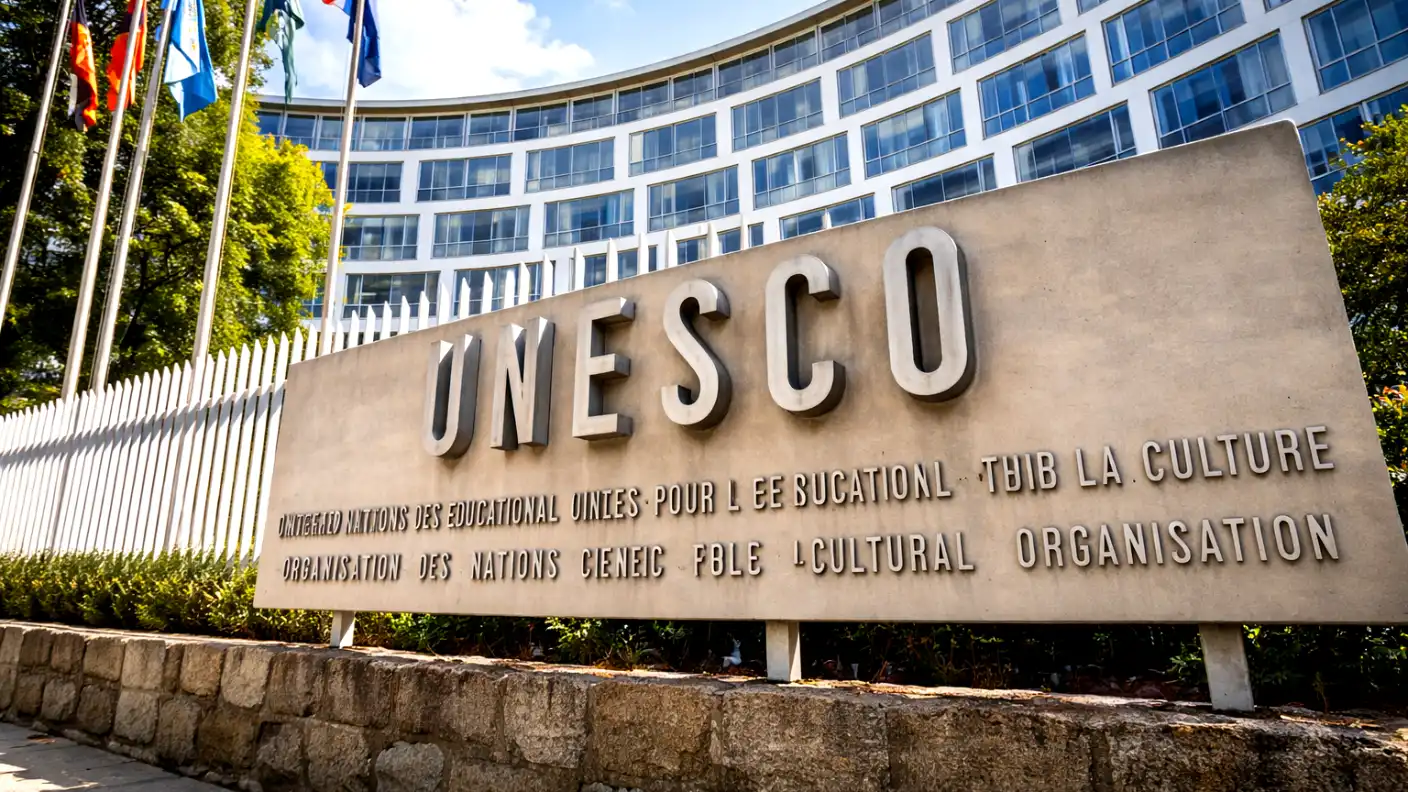
The global pursuit of scientific advancement and sustainable development relies fundamentally on the education and engagement of the next generation. Recognizing that the complex challenges of the 21st century—ranging from climate change to public health crises—require globally coordinated, scientifically literate responses, international organizations are increasingly focusing on empowering youth. A monumental step in this direction is the highly anticipated launch of the UNESCO Science Clubs Network. This initiative represents a profound commitment to fostering a culture of scientific curiosity, critical thinking, and international collaboration among young minds worldwide, with an initial focus on the dynamic Asia-Pacific region.
This major educational and scientific milestone is not merely a symbolic gathering; it is a strategic intervention designed to democratize access to scientific knowledge and methodologies. By establishing a robust network of science clubs, UNESCO aims to bridge educational divides, nurture future innovators, and cultivate a generation capable of navigating and shaping a rapidly evolving technological landscape. The inaugural event, hosted in Beijing, serves as the launchpad for a comprehensive program that includes intensive “Train-the-Trainer” workshops, underscoring the vital role of educators in this ambitious endeavor. This article delves into the significance of the UNESCO Science Clubs Network, exploring its objectives, implementation mechanisms, and the far-reaching impacts it promises for youth empowerment and global scientific progress.
To truly appreciate the magnitude of this initiative, it is essential to understand the foundational goals that drive the creation of such a vast, interconnected educational network.
The Vision Behind the UNESCO Science Clubs Network
The inception of the UNESCO Science Clubs Network is rooted in a deep-seated belief that science is a universal language, capable of transcending cultural and geographic boundaries. The vision is to create a dynamic, inclusive platform where young people can engage with science not just as a rigid academic subject, but as a practical tool for solving real-world problems. This network aims to shift the paradigm of science education from passive reception to active exploration, encouraging students to ask questions, conduct experiments, and collaborate on projects that have tangible impacts on their communities.
The underlying philosophy is that scientific literacy is a fundamental human right and a prerequisite for active, informed citizenship in the modern world.
Fostering Scientific Literacy and Critical Thinking
At the core of the network’s mission is the urgent need to boost scientific literacy among youth. In an era characterized by the rapid dissemination of information—and often, misinformation—the ability to critically evaluate data, understand the scientific method, and draw evidence-based conclusions is more crucial than ever. The science clubs are designed to be incubators for these essential skills. Through hands-on experiments, interactive workshops, and guided research projects, students learn how to approach problems logically and analytically.
The network provides resources and frameworks that help educators move beyond textbook learning. This practical approach demystifies complex scientific concepts, making them accessible and engaging for students of diverse backgrounds and learning styles.
Promoting International Collaboration and Cultural Exchange
Science thrives on collaboration, and the UNESCO Science Clubs Network is built on the premise that the best solutions often emerge from diverse perspectives. By connecting clubs across different countries and regions, the initiative fosters a unique environment for international cultural and scientific exchange. Students in Beijing might collaborate on a climate monitoring project with peers in Jakarta or Manila, sharing data, comparing methodologies, and learning from each other’s unique local contexts.
This cross-border interaction not only enhances the scientific rigor of their projects but also cultivates vital soft skills such as cross-cultural communication, empathy, and global citizenship. It teaches young people that they are part of a larger, interconnected global community facing shared challenges.
The strategic choice to launch the initial phase of this network in the Asia-Pacific region highlights the area’s immense potential and the specific educational needs it faces.
The Asia-Pacific Focus: A Strategic Launchpad
The decision to launch the UNESCO Science Clubs Network with an Asia-Pacific Edition is highly strategic. The Asia-Pacific region is characterized by incredible diversity, rapid economic growth, and a surging youth population. It is a region where technological innovation is accelerating at a breathtaking pace, yet it also grapples with significant educational disparities and acute environmental vulnerabilities. Launching the network here addresses both the immense potential of its youth and the pressing need for sustainable, scientifically informed development.
Beijing, as the host city for this milestone event, provides a fitting backdrop, given its status as a major global hub for scientific research and technological advancement.
Addressing Regional Disparities in STEM Education
While several nations in the Asia-Pacific region are global leaders in Science, Technology, Engineering, and Mathematics (STEM) education, profound inequalities exist both between and within countries. In many developing areas, schools lack basic laboratory equipment, access to current scientific literature, and adequately trained science teachers. The UNESCO Science Clubs Network aims to level this playing field by providing standardized, high-quality resources, curriculum guides, and mentorship opportunities to clubs regardless of their geographic or economic circumstances.
By creating a supportive community of practice, the network ensures that a student in a rural village has the opportunity to engage with the same foundational scientific concepts as a student in a highly developed urban center.
Tackling Shared Sustainable Development Goals (SDGs)
The Asia-Pacific region is disproportionately affected by challenges such as climate change, natural disasters, and resource depletion. The science clubs are explicitly encouraged to align their projects with the United Nations Sustainable Development Goals (SDGs). Whether it is developing a local water purification system, studying the impacts of coastal erosion, or promoting awareness of renewable energy, the network empowers youth to become active agents of change in their communities.
This focus on localized, impactful science ensures that the learning process is deeply relevant to the students’ lives, demonstrating how scientific inquiry can directly improve human well-being and environmental sustainability.
The success of this vast network hinges entirely on the individuals tasked with guiding these young minds. This is where the crucial “Train-the-Trainer” component comes into play.
The “Train-the-Trainer” Workshop: Empowering Educators
The launch event in Beijing is not just a ceremonial gathering; a rigorous “Train-the-Trainer” workshop anchors it. UNESCO recognizes that a science club is only as effective as the educator leading it. Many passionate teachers may lack the specific pedagogical tools or confidence required to facilitate open-ended, inquiry-based science projects. This workshop is designed to equip educators, community leaders, and science communicators with the skills, resources, and methodologies needed to establish and sustain vibrant science clubs.
The workshop represents a massive investment in human capital, ensuring that the network’s impact cascades exponentially as trained educators return to their respective communities.
Shifting Pedagogical Approaches
Traditional science education often relies heavily on memorization and standardized testing. The “Train-the-Trainer” workshop focuses on transitioning educators toward more dynamic, student-centered pedagogical approaches. Facilitators are trained in project-based learning, design thinking, and guiding students through the scientific method—from formulating a hypothesis to designing an experiment and analyzing the results.
Educators learn how to create an environment where failure is viewed not as a setback, but as an essential, expected component of the scientific discovery process. This shift in mindset is critical for nurturing resilience and genuine curiosity in young learners.
The workshop curriculum is meticulously designed to cover a broad spectrum of essential skills required for modern science education. Key components of the training include:
- Curriculum Development: How to design engaging, age-appropriate science activities that align with local educational standards and global SDGs.
- Resource Management: Strategies for conducting meaningful experiments using low-cost, readily available materials, ensuring clubs can operate even in resource-constrained environments.
- Digital Literacy: Training on how to utilize online platforms for data sharing, virtual collaboration, and accessing global scientific databases.
- Inclusivity in STEM: Techniques for engaging underrepresented groups, particularly girls and minorities, in science and overcoming systemic biases in the classroom.
Building a Community of Practice
Beyond the immediate acquisition of pedagogical skills, the workshop serves as a foundational networking event for educators. It brings together professionals from diverse backgrounds and countries, allowing them to share best practices, discuss common challenges, and form lasting professional relationships. This community of practice is essential for the long-term sustainability of the network.
When an educator in a remote location encounters a hurdle, they can reach out to the network for advice, resources, or collaborative support. This ongoing, peer-to-peer mentorship ensures that facilitators do not feel isolated and are continuously inspired to innovate within their clubs.
The structural organization of the network is designed to maximize reach, ensure quality, and foster continuous growth.
Structure and Mechanics of the Science Clubs
The UNESCO Science Clubs Network is not a rigid, top-down organization, but rather a flexible framework that adapts to local contexts while adhering to global standards of scientific excellence. The mechanics of how these clubs operate are crucial for ensuring they remain engaging, relevant, and impactful for the students involved. The network provides scaffolding, but the clubs themselves are driven by their members’ specific interests and needs.
Understanding how a typical club functions provides insight into the practical application of UNESCO’s grand vision.
Club Formation and Affiliation
Establishing a UNESCO-affiliated science club begins at the grassroots level. A dedicated educator, school administrator, or community leader serves as the sponsor, using the network’s training and resources to form the group. While the network sets core guidelines and ethical standards, the club’s specific focus—whether robotics, environmental science, astronomy, or biology—is democratically determined by the participating youth.
Affiliation with the UNESCO network provides the club with a sense of prestige and belonging to a global movement, which is highly motivating for both students and facilitators. It also grants them access to a centralized portal containing curriculum modules, safety guidelines, and opportunities to participate in international competitions and science fairs.
Project-Based Learning and Community Impact
The heartbeat of every science club is its projects. Rather than following a prescribed syllabus, students are encouraged to identify problems within their own communities and utilize the scientific method to devise solutions. This project-based approach ensures that the science is applied and meaningful.
A club might undertake a long-term project to monitor local air quality, design a community recycling program, or build a low-cost weather station. These projects require students to engage in field research, data collection, and statistical analysis. Ultimately, the clubs are encouraged to present their findings to local authorities or community members, transforming the students from passive learners into active civic contributors and science advocates.
The impact of this network extends far beyond the immediate educational benefits to individual students. It has profound implications for the broader scientific community and global society.
The Long-Term Impact on Global Science and Society
The launch of the UNESCO Science Clubs Network is an investment with generational returns. By systematically nurturing scientific curiosity and capability in youth, the initiative addresses several critical, long-term global challenges. The impacts of this network will be felt in the quality of the future workforce, the pace of technological innovation, and the global capacity to manage existential crises.
When a generation is raised with a deep understanding of and respect for the scientific process, the societal benefits are transformative.
Cultivating the Next Generation of Innovators
The global economy is increasingly reliant on technological innovation and scientific research. However, many industries face a looming shortage of highly skilled STEM professionals. The science clubs serve as a vital pipeline, identifying and nurturing talented individuals who might otherwise be overlooked. By exposing students to the excitement of discovery at an early age, the network inspires them to pursue advanced degrees and careers in science, engineering, and research.
Furthermore, because the network emphasizes inclusivity, it helps to diversify the scientific workforce. When science is driven by individuals from a wide array of cultural, economic, and gender backgrounds, the resulting innovations are more equitable, robust, and globally applicable.
Combating Misinformation and Building Trust in Science
In the modern digital age, the rapid spread of pseudoscience and misinformation poses a severe threat to public health, democratic processes, and environmental conservation. The most effective antidote to this phenomenon is a scientifically literate populace. Students who participate in the UNESCO Science Clubs Network learn to distinguish credible, peer-reviewed evidence from baseless claims.
This critical thinking ability extends beyond the students themselves; it permeates their families and communities. As these young people grow into adulthood, they become advocates for evidence-based policymaking. They are more likely to support public health initiatives, understand the urgency of climate action, and trust the consensus of the global scientific community, thereby fostering a more rational, stable, and progressive global society.
The role of international organizations like UNESCO is paramount in orchestrating initiatives of this scale and complexity.
The Role of UNESCO and Global Partnerships
UNESCO’s unique position as a specialized agency of the United Nations allows it to convene governments, non-governmental organizations (NGOs), academic institutions, and the private sector to support massive educational initiatives. The Science Clubs Network is not a solitary endeavor; it relies heavily on a complex web of global partnerships to provide funding, technological infrastructure, and specialized expertise.
The launch in Beijing highlights how these partnerships are operationalized to create tangible educational outcomes.
Leveraging Public-Private Partnerships
To ensure the network is equipped with the latest technologies and resources, UNESCO actively seeks partnerships with the private sector. Tech companies, pharmaceutical giants, and engineering firms often provide financial sponsorships, donate laboratory equipment, or offer their own scientists to act as guest lecturers and mentors for the clubs. These public-private partnerships are mutually beneficial; they fulfill the companies’ corporate social responsibility goals while providing the clubs with access to cutting-edge industry knowledge.
Additionally, academic institutions play a critical role by providing access to university laboratories, hosting regional science fairs, and offering scholarships to outstanding club members.
Aligning with National Education Ministries
For the network to achieve maximum reach and sustainability, it must be integrated into, or strongly supported by, national educational frameworks. UNESCO works closely with Ministries of Education across the Asia-Pacific region to ensure that the science club activities complement the official national curricula.
This alignment often involves formal memoranda of understanding, in which governments commit to supporting the “Train-the-Trainer” initiatives and officially recognizing the achievements of students participating in the network. By securing government buy-in, UNESCO ensures that science clubs are not viewed as fringe extracurricular activities, but as highly valued, integral components of the national educational strategy.
As the network establishes its roots in the Asia-Pacific, the vision for its future expansion is bold and necessary.
Future Expansion and the Global Vision
The launch of the Asia-Pacific Edition in Beijing is merely the first phase of a much grander global strategy. The ultimate goal of the UNESCO Science Clubs Network is to establish a truly worldwide presence, connecting youth across regions, from the Americas to Africa and Europe. The lessons learned, the curricula developed, and the best practices established during this initial rollout will serve as the blueprint for subsequent regional launches.
The continuous evolution of the network will rely on adapting to new technologies and emerging global challenges.
Integrating Emerging Technologies
As the network expands, it must continuously integrate emerging technologies to remain relevant and engaging. Future phases of the initiative will likely place a heavier emphasis on fields such as artificial intelligence, biotechnology, and space exploration. The clubs will increasingly use virtual reality (VR) to conduct simulated experiments in hazardous environments or to explore the cosmos, and use AI-driven platforms to analyze massive, global datasets collaboratively.
This technological evolution ensures that the students are always operating at the frontier of scientific inquiry, preparing them for the careers of tomorrow.
A Unified Global Scientific Community
The long-term vision is a unified, global scientific community of youth, untethered by national borders. A network where a student’s potential is not limited by their geography, but expanded by their global connections. As the UNESCO Science Clubs Network grows, it will host international symposiums, massive collaborative research projects, and global problem-solving hackathons.
This interconnectedness will forge a generation of scientists, policymakers, and citizens who naturally view global challenges through a lens of international cooperation and scientific rigor.
Conclusion
The launch of the UNESCO Science Clubs Network, beginning with the monumental event in Beijing, is a beacon of hope and a powerful catalyst for global progress. By placing the tools of scientific inquiry directly into the hands of youth and empowering educators through intensive “Train-the-Trainer” workshops, this initiative transcends traditional education. It is actively constructing a worldwide infrastructure for innovation, critical thinking, and cross-cultural collaboration. In a world fraught with complex, existential challenges, the necessity for a globally connected, scientifically literate generation has never been more acute. As these science clubs take root across the Asia-Pacific and eventually the globe, they are doing far more than teaching students how to conduct experiments; they are inspiring the next generation of leaders to utilize the unifying power of science to build a more sustainable, equitable, and enlightened future for all of humanity.















