

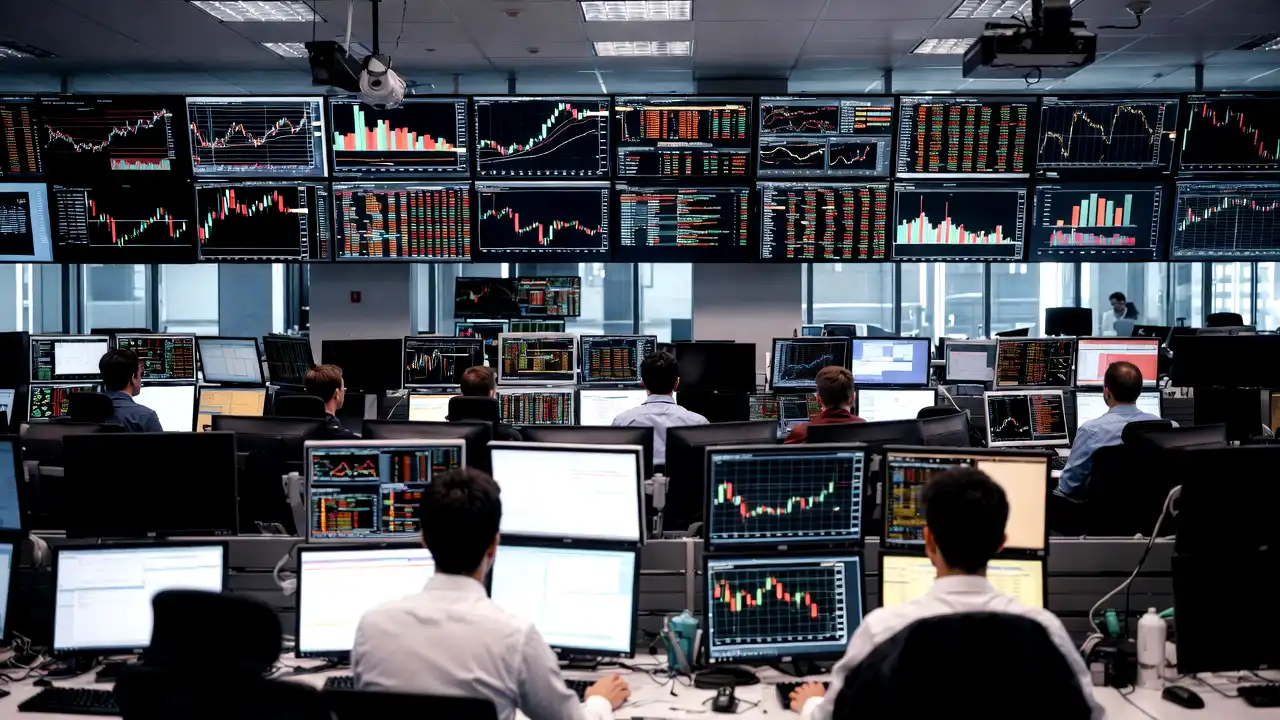
The Japanese stock market reached an incredible milestone on Thursday morning. The Nikkei share average briefly crossed the historic 60,000 level for the very first time. Traders watched the trading boards with excitement as the index pushed into completely uncharted territory. By the middle of the afternoon session, the Nikkei settled slightly lower but still held a solid 0.34 percent gain to sit at exactly 59,790 points. This massive rally happened because global investors felt a sudden wave of relief regarding the tense political situation in the Middle East.
Giant technology companies completely drove this massive market surge. SoftBank Group led the charge with an incredible 8.9 percent jump in its stock price. Investors rushed to buy shares in the famous technology investment firm, betting heavily on its future tech projects and massive startup portfolio. Semiconductor companies also enjoyed a fantastic morning on the trading floor. Advantest saw its shares rise by exactly 2.65 percent, while Tokyo Electron gained a respectable 0.81 percent. Furthermore, Fujikura, a company that makes vital fiber optic cables for global internet networks, added exactly 1 percent to its total stock value.
However, looking closely at the actual trading numbers reveals a much different story underneath the surface. The massive financial gains belong almost entirely to those few wealthy tech giants. The broader Topix index actually dropped by exactly 0.7 percent during the same trading session, falling to 3,718.59 points. Of all the companies listed on the main Nikkei index, only 42 individual stocks saw their prices rise. A massive 158 stocks lost value, while exactly 5 remained flat. This means every day, companies outside the tech bubble did not get to celebrate the historic market high.
A major political announcement from the United States sparked the initial morning optimism for those tech buyers. President Donald Trump told the world he decided to extend the current military ceasefire with Iran indefinitely. This news brought massive relief to global financial markets. Trump explained that he made this decision after Pakistani mediators personally reached out to request more time to negotiate a lasting peace treaty. When the threat of immediate war fades, wealthy investors usually feel much more comfortable pouring billions of dollars into high-risk technology stocks.
Despite the optimistic headlines, serious military tension still chokes the Middle East. The official ceasefire stopped the bombs, but it did not end the harsh economic punishments. The United States Navy continues to maintain a strict military blockade around major Iranian ports. Heavily armed American warships refuse to let commercial vessels enter or leave the docks. This ongoing blockade starves the Iranian economy of vital foreign cash and keeps the entire region sitting right on the edge of another major violent conflict.
The situation on the water actually grew more dangerous over the last 24 hours. Iranian military forces aggressively fought back against the American pressure by seizing 2 commercial ships in the Strait of Hormuz. This narrow waterway is the most important oil shipping lane on the planet. Normally, roughly 20 percent of the global oil supply passes through this exact tight space. By capturing these 2 ships, Iran sent a clear warning to the global economy that they still hold the power to disrupt international trade.
For now, stock market traders focus on positive news. The combination of a paused war and booming computer technology gives buyers enough confidence to keep pushing the Nikkei higher. Financial analysts expect the market to remain highly volatile over the next few weeks. A single misstep by a warship in the Middle East could easily crash the market, but another strong earnings report from a tech giant could push the index well past the 60,000 mark permanently. Investors will keep a close eye on both the computer screens and the political news as the week ends.















