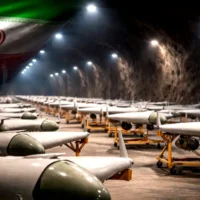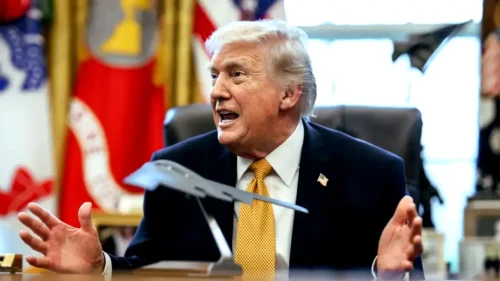

United States crude oil futures fell nearly 2 percent during early Asian trading hours on Tuesday morning. Financial investors rapidly changed their minds about global supply risks as major political events unfolded in the Middle East. The global energy market feels extremely nervous right now due to deep uncertainty surrounding the ongoing peace talks between the United States and Iran. Both rival nations face a very strict deadline to renew their current military ceasefire agreement before the end of the week. If they fail, the entire region could plunge back into chaos.
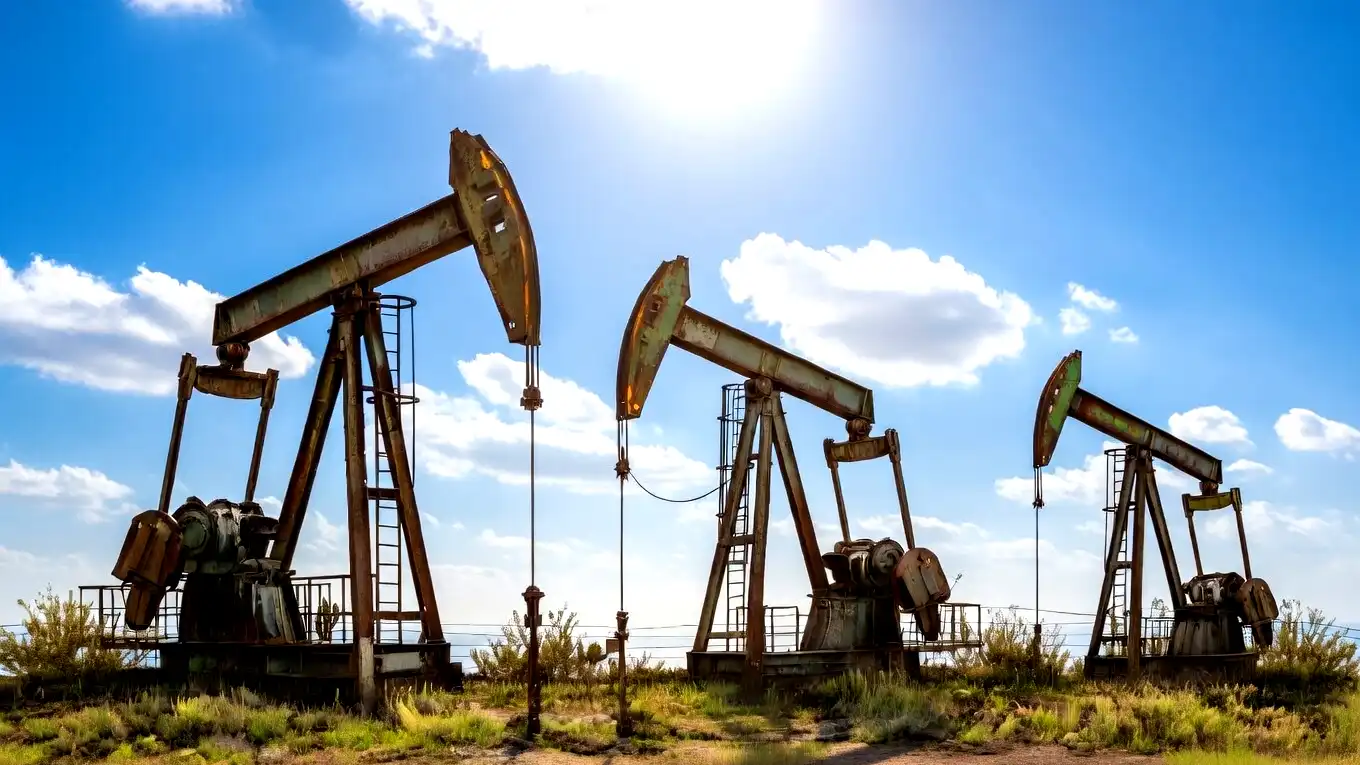
The daily trading numbers show a very mixed reaction across the entire energy sector. Light crude oil took a noticeable hit early in the day, dropping exactly 1.43 percent to land at $86.17 for a single barrel. Natural gas also saw a slight decline on the trading floor, falling 0.78 percent to reach $2.668 per metric heating unit. Meanwhile, wholesale gasoline prices followed the general downward trend, sliding exactly 0.60 percent to settle at $3.01 per gallon. Traders aggressively hit the sell button as they tried to guess what the political leaders would do next.
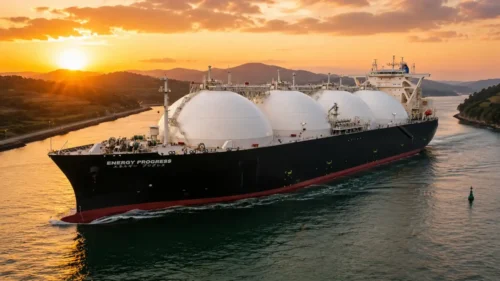
However, the international oil benchmark told a completely different and scary story on Tuesday. While American oil prices fell, Brent crude oil actually surged upward by a massive 5.64 percent. This sudden and violent jump pushed the global price to $95.48 per barrel. Financial experts explain this strange price difference by pointing directly to fears about global shipping. If the fragile ceasefire fails, international oil tankers moving through the Strait of Hormuz face immediate danger from Iranian gunboats. This direct threat to physical ships drives the international Brent price much higher than the domestic American price.
The diplomatic drama heavily controls these wild market swings. Negotiators are currently meeting in secure rooms to prevent another massive military conflict. The global energy market remembers exactly how previous fighting shut down major shipping lanes and destroyed critical oil infrastructure. If the diplomats fail to sign a new deal before the ceasefire clock hits zero, traders expect immediate military strikes from both sides. This dark reality forces energy companies to plan for the absolute worst-case scenarios and hoard cash to survive any sudden market crashes.
These shifting commodity prices directly impact everyday families trying to balance their tight home budgets. When wholesale gasoline hovers around $3.01 per gallon, normal drivers usually end up paying between $3.50 and $4.50 at their local neighborhood gas stations. Even a small 1 percent change in the global crude price means millions of dollars gained or lost by the major energy companies. Working parents watch gas prices closely because higher fuel costs make delivering basic groceries much more expensive, which drives up the prices of simple items like bread and milk.
Natural gas buyers also monitor the tense political situation with extreme caution. Even though the price dropped slightly to $2.668 today, power companies know that a sudden war could disrupt global gas deliveries without warning. Many European and Asian countries rely heavily on steady natural gas shipments to keep their city power plants running and their homes warm. Factory owners and city planners pray that the diplomats reach a peaceful compromise so energy bills stay somewhat predictable over the next 6 to 12 months. Nobody wants to see utility costs double right before the winter season begins.
The next 48 hours will completely determine the near future of the global energy market. If the United States and Iran finally sign a permanent peace treaty, traders believe light crude oil could quickly drop well below the $80 mark. A solid deal means millions of barrels of frozen Iranian oil could safely enter the global market, lowering prices for everyone. On the other hand, if the talks collapse and the shooting resumes, energy analysts warn that global crude could easily explode past $120 a barrel. Traders simply hold their breath and wait for the final political announcement.