

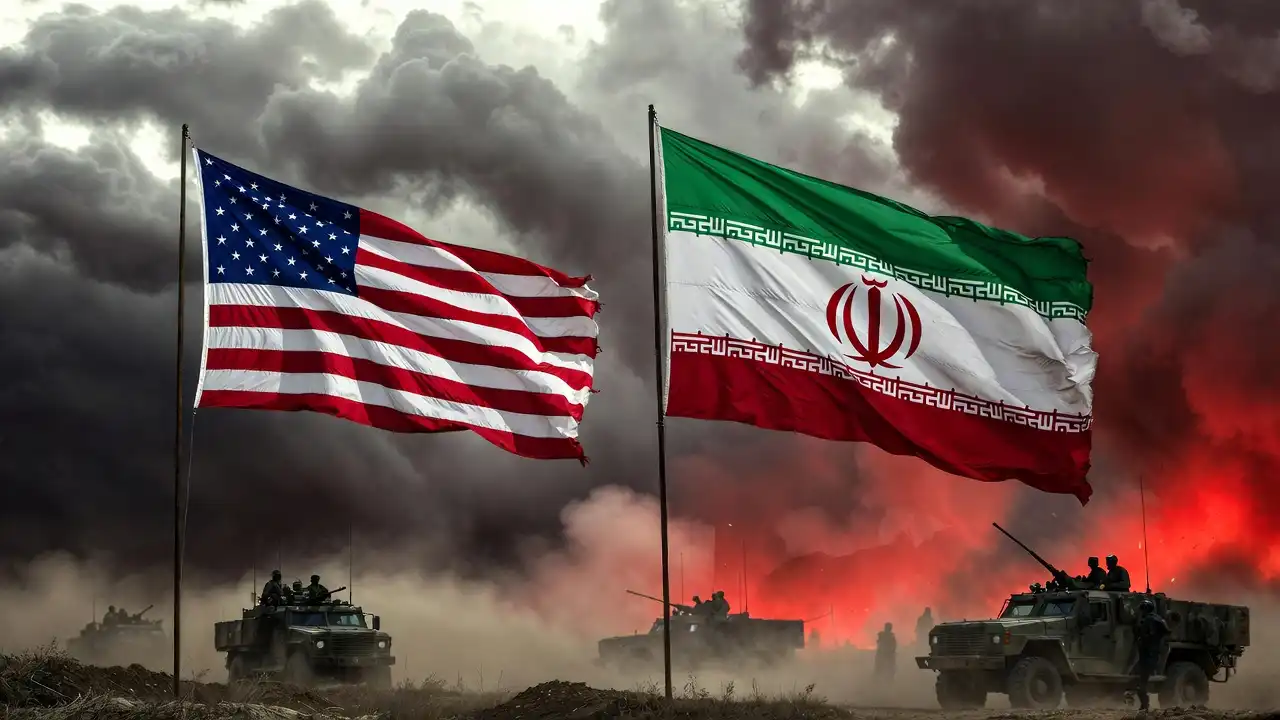
A United States diplomatic team lands in Islamabad, Pakistan, early Monday morning to start an intense mission. They plan to sit down for direct, face-to-face negotiations with top government officials from Iran. The stakes for this specific meeting remain incredibly high for the whole world. President Donald Trump issued a severe and public warning just hours before the American diplomats packed their bags. He demanded that Iran sign a massive new agreement right away. If the Iranian government refuses to accept this big deal, Trump promised to launch devastating military strikes directly against the country.
The president did not hold back when he described his specific military targets. Trump bluntly stated he will order the military to bomb major Iranian power plants and key highway bridges if the peace talks fail. Destroying these critical facilities would instantly plunge millions of innocent people into total darkness. Iran has a population of roughly 89 million citizens who rely entirely on that aging national power grid every single day. Security experts estimate that wiping out this core infrastructure could cause over $50 billion in immediate physical damage. The attacks would also paralyze civilian travel and stop trucks from delivering basic food supplies.
Pakistan stepped up to host these very tense discussions in its capital city. Islamabad serves as a rare neutral ground where both American and Iranian officials feel secure enough to meet in person. The Pakistani government completely locked down the city’s main diplomatic zone to ensure nothing disrupts the delicate process. Local authorities deployed exactly 4,500 armed police officers and military personnel to secure the primary hotels and meeting rooms. The two rival negotiation teams plan to spend at least 4 days locked inside these secure buildings to hammer out the details of a potential treaty.
Global financial markets reacted with extreme nervousness to the intense weekend threats. Oil traders know perfectly well that any fresh military conflict in the Middle East will severely disrupt global shipping lanes. Right now, nearly 20 percent of the world’s daily oil supply passes right past Iranian waters. When Trump threatened to bomb Iranian infrastructure, the price of global crude oil spiked by exactly 4.5 percent in early trading. Some market analysts warn that crude oil could easily shoot past $120 per barrel if actual missiles start flying. This massive price jump would force everyday drivers in America to pay well over $5 per gallon of regular gasoline.
The Iranian government faces immense internal pressure as its negotiators walk into the room. Years of harsh international sanctions have already squeezed their national economy to the absolute breaking point. Right now, everyday citizens in Iran deal with a crushing inflation rate hovering right around 45 percent. The cost of basic food items and rent doubles almost every single year. The Iranian leaders desperately want the United States to unfreeze roughly $20 billion in foreign bank accounts. However, the ruling government in Tehran absolutely refuses to accept any deal that makes them look weak or surrenders their national pride.
The clock continues to tick down rapidly toward Trump’s ultimate deadline. Both sides carry over 40 years of heavy distrust into the meeting rooms in Islamabad. The American diplomats carry strict, unbending orders from the White House to demand total cooperation on key military and nuclear issues. Meanwhile, the Iranian team knows its citizens face a terrifying bombing campaign if they decide to walk away from the table empty-handed. The next 96 hours will firmly determine if these two rival nations can finally find a peaceful compromise or if the entire Middle East region plunges into another massive, bloody war.















