

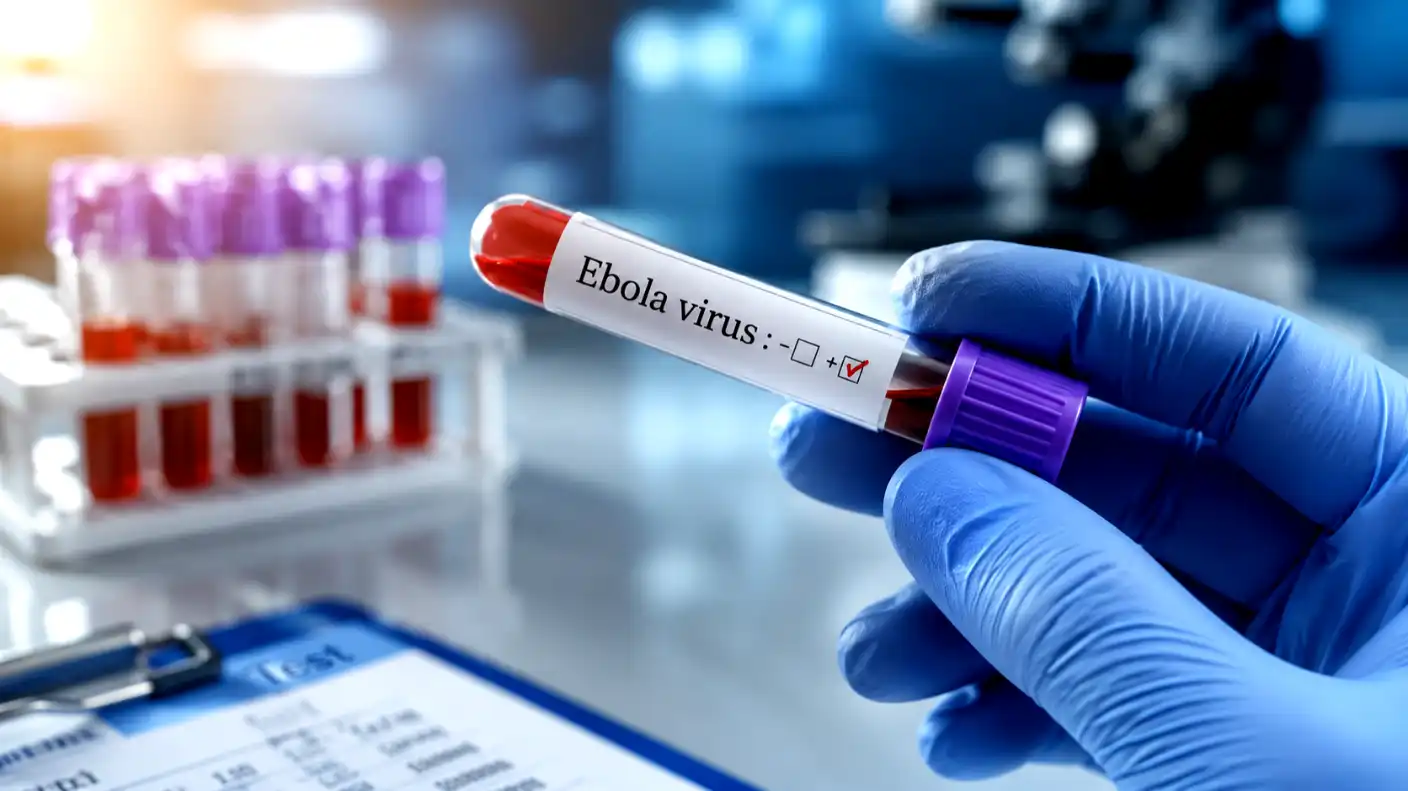
Italy’s northern Lombardy region activated a high-level health alert on Monday morning after two potential cases of the deadly Ebola virus emerged in the province of Como. Emergency medical teams immediately transferred two Italian humanitarian aid workers to a highly specialized hospital in Milan after they developed severe, suspicious symptoms. The scare has triggered a rapid response from national health authorities, who want to isolate any potential threat before it can spread into the local European population.
The two patients are a 33-year-old woman from the town of Lurate Caccivio and a 31-year-old man from Bulgarograsso. The two aid workers returned to Italy on Sunday alongside five other family members. The group of seven Italian citizens, representing two different families, had spent approximately three months working near the border of Uganda, the Democratic Republic of the Congo, and Rwanda. This specific border region has been under intense international surveillance due to a growing outbreak of the highly dangerous Bundibugyo ebolavirus strain.
Just 24 hours after landing back in Italy, the two aid workers began showing severe symptoms during the night. They suffered from very high fevers, nausea, vomiting, diarrhea, and intense gastrointestinal distress. The 33-year-old woman experienced much more severe symptoms than her colleague, displaying minor neurological issues that caused her body temperature to spike dangerously. Because of these symptoms, medical teams quickly placed both patients in high-containment ambulances. They rushed them to the Sacco Hospital in Milan, a facility equipped with the highest level of biocontainment.
Guido Bertolaso, Lombardy’s regional welfare minister, held an emergency press conference on Monday afternoon to address the growing public concern. He confirmed that local authorities initiated strict emergency protocols the moment the patients arrived. Bertolaso urged the public to remain calm, emphasizing that doctors have not yet officially confirmed the presence of the Ebola virus. He expected the first laboratory PCR test results to arrive late Monday evening and promised to update the public immediately once they became available.
While the medical team runs the diagnostic tests, physicians at Sacco Hospital believe a severe strain of malaria is a much more probable cause of the illness. They suspect the 33-year-old woman might have contracted cerebral malaria, a life-threatening condition that can cause similar neurological symptoms and may require intensive care. This theory gained support after doctors learned that a young child from the same family had already contracted malaria during their three-month stay in East Africa. The 31-year-old man currently remains in a much milder condition, though his body temperature still hovers between 37.5 and 38 degrees Celsius.
Despite the high likelihood of a malaria diagnosis, Italian health officials refuse to take any chances with a potential epidemic. Because the group traveled from an active Ebola zone, the Ministry of Health immediately activated its strict monitoring and contact-tracing protocols. Authorities have placed the other five members of the families under close health surveillance and monitoring at their homes in Como, ordering them to report any changes in their body temperature immediately.
The national government in Rome also mobilized its resources to coordinate the response. On Monday, the Ministry of Health’s Department of Prevention organized a national coordination point in Rome, bringing together top representatives from the Ministry of Foreign Affairs, the Ministry of Defense, and the Ministry of the Interior. The Italian National Institute of Health and the Spallanzani Institute will also assist Sacco Hospital in analyzing the blood samples to ensure absolute diagnostic accuracy.
The World Health Organization recently declared the Central African outbreak a public health emergency of international concern after recording at least 65 deaths and 246 suspected cases. Global health agencies estimate they may need over $1.5 billion in emergency aid to contain the virus properly. Local officials in Africa continue to struggle with security issues and a complete lack of approved vaccines for this specific Bundibugyo strain, making the threat of international spread highly concerning for European regulators.
While the overall risk of an Ebola outbreak in Italy remains extremely low, even a single positive case could impact tourism by 1.5% over the summer season. The Ministry of Health continues to monitor the evolving situation closely. Bertolaso promised that if either patient tests positive on Monday night, the regional government will immediately execute all the additional emergency measures on its pandemic checklist, including isolating the hospitals and locking down the affected neighborhoods in Como to protect public health.















