

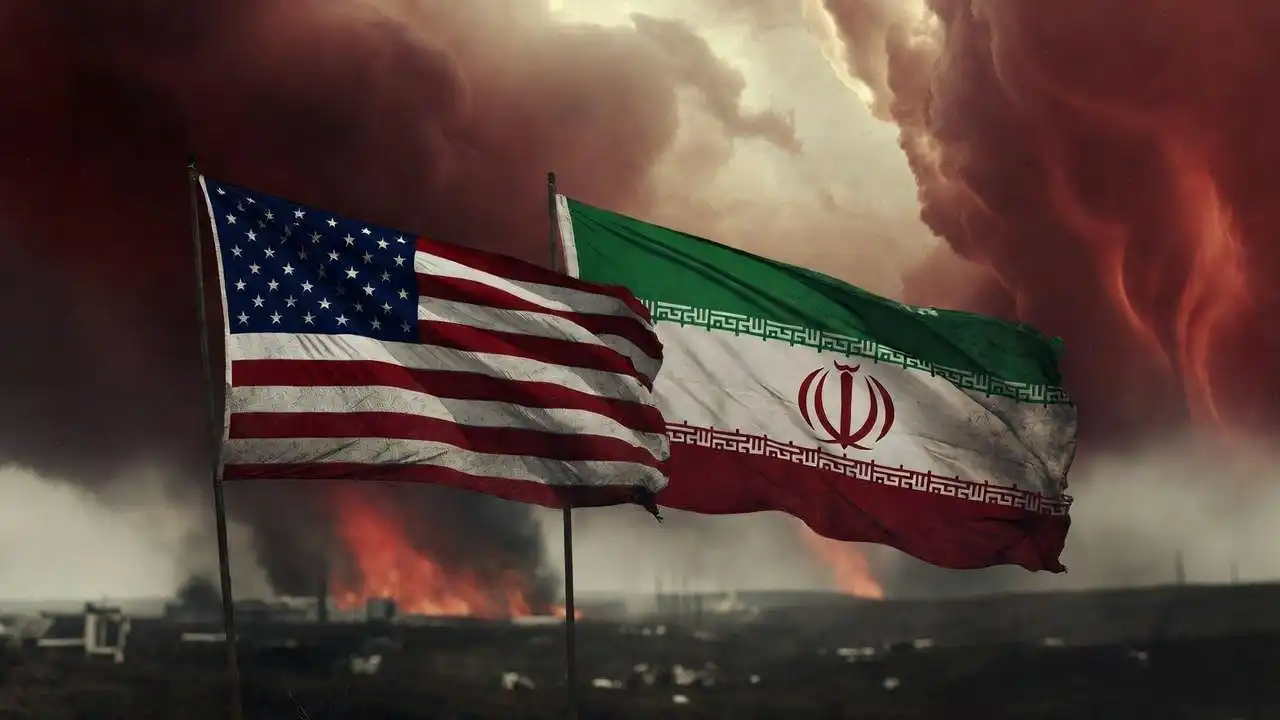
US Secretary of State Marco Rubio confirmed on Monday that the United States and Iran have built a “pretty solid framework” for a peace deal. Speaking to reporters in New Delhi, India, Rubio stated that the emerging agreement could finally end the three-month-old war and safely reopen the Strait of Hormuz. Diplomats from Pakistan and Qatar are working around the clock in Tehran to help finalize the multi-stage memorandum of understanding.
The proposed agreement will unfold in exactly 3 distinct stages to ensure both sides follow through on their promises. The first phase requires both militaries to cease all hostilities and withdraw from the front lines immediately. The second phase focuses entirely on the maritime crisis, requiring Iran to clear its sea mines and allow commercial shipping through the Strait of Hormuz. At the same time, the United States lifts its strict blockade on Iranian ports. The final phase will open a 30-day window to negotiate a permanent treaty covering Iran’s nuclear program.
Rubio clarified that the United States is not offering any major economic concessions up front. Instead, the administration is using a strict “relief for performance” model. Washington will grant temporary sanctions waivers only if Iran takes concrete, verifiable steps to open the shipping lanes. The U.S. wants to make sure that Iran actually clears the water before any financial relief begins.
Reopening the Strait of Hormuz is the absolute top priority for global trade. Before the war began on February 28, this narrow channel handled roughly 20 percent of the world’s daily oil and gas supply. The prolonged blockade has upended global energy markets and driven inflation in Europe and the US by an extra 1.5 percent. Economists estimate that the shipping closure has cost international businesses over $1.5 billion every single week.
This breakthrough is the result of frantic shuttle diplomacy by regional mediators. Pakistan’s powerful army chief, Field Marshal Asim Munir, just concluded a highly productive, short visit to Tehran, where he held intensive 24-hour talks with Iran’s top civil and military leaders. At the same time, a specialized Qatari negotiating team arrived in Tehran on Friday to help coordinate the final terms of the agreement with the United States.
The most sensitive part of the negotiations remains Iran’s controversial nuclear program. The draft agreement includes commitments from Iran never to pursue nuclear weapons. In addition, the theocratic government in Tehran agreed to hold active negotiations during the 30-day window regarding a total suspension of its uranium enrichment program and the complete removal of its highly enriched uranium stockpile.
President Donald Trump shared his own optimistic but firm thoughts on the matter. Writing on his social media platform, Truth Social, Trump posted that a peace deal with Iran has been largely negotiated and will be announced shortly. However, the president warned that he will decide by the end of the day whether to accept the final deal or order his generals to resume devastating airstrikes. He warned that if they do not reach a good deal, he will destroy his opponents completely.
The prospective peace deal has already brought massive relief to global markets. On Friday, Brent crude oil futures fell nearly 5 percent, dropping completely below the key psychological level of $100 to settle at roughly $98.15 a barrel. Stock market futures in the United States rose by 0.58 percent. At the same time, major Asian indices, such as Japan’s Nikkei, surged to record levels on Monday as investors anticipated the end of the energy shock.
Ultimately, the next few days will prove critical for the entire world. If both sides successfully sign the 14-point memorandum and reopen the shipping lanes, it will stabilize global energy markets and lower gas prices almost instantly. It also creates a vital, peaceful window for both sides to negotiate a permanent end to the war, so nobody has to return to combat in two or five years.















