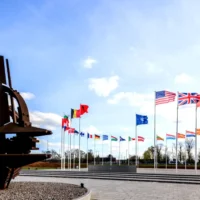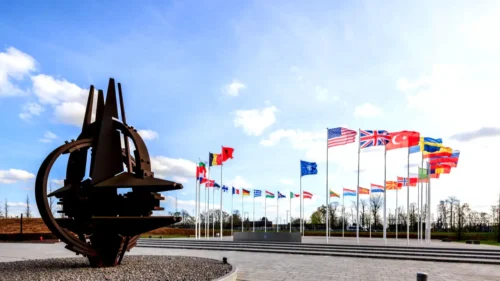

European Union leaders finally began serious talks on their massive 1.8 trillion-euro budget on Friday. They met at a special summit in Cyprus to figure out how to spend the money for the 2028 to 2034 cycle. However, the 27 heads of government quickly hit a brick wall. They simply cannot agree on what the budget should do, how big it really needs to be, or who will actually write the checks to fund it.
The clock is ticking fast for European politicians. Leaders desperately want to lock down a final deal before the end of this year. They fear the upcoming French presidential election next year will ruin everything. Right now, the far-right National Rally party dominates the French political polls. If that party wins the election, securing an agreement among all 27 nations will become almost impossible.
A brutal energy crisis forces the bloc to rethink its finances. The ongoing war in the Middle East continues to shake the global economy, pushing energy costs higher for everyday families. Because of this crisis, many politicians want the European Union to spend more cash to support struggling local businesses. They need this 7-year financial framework to act as a strong shield against global economic chaos.
Italian Prime Minister Giorgia Meloni spoke to reporters outside the meeting rooms. She called the entire process an extremely difficult negotiation. Her honest comments showed exactly how far apart the different countries remain on the core details. Every leader walked into the room with completely different priorities and completely different price tags in mind for the future of Europe.
Several wealthy nations demanded serious spending cuts. They argued that the European Commission’s initial proposal costs way too much money. Dutch Prime Minister Rob Jetten bluntly called the massive price tag unacceptable. He told the press that the overall size of the budget needs to go down substantially before his country will sign any final paperwork.
German Chancellor Friedrich Merz backed up the Dutch leader with his own stern warning. Merz pointed out that nearly all member states currently face tough financial choices at home. He argued that asking countries to fund a massive 1.8 trillion euro budget right now makes zero sense. Merz demanded widespread cuts across all funding areas to make the final proposal much easier for taxpayers to swallow.
On the other side of the room, countries like France pushed hard for a much bigger financial package. They strongly believe Europe must invest billions of euros into strategic technology and green energy. If Europe wants to compete with massive rivals in the United States and Asian markets, it needs deep pockets. For these ambitious nations, cutting the budget means giving up global power.
To solve the money problem, the European Commission suggested a highly controversial idea. Instead of asking national governments to pay more money from their own treasuries, the bloc wants to collect its own direct taxes. In European political language, officials call these direct taxes own resources. This strategy would completely change how Europe pays its massive bills over the next decade.
Last July, the Commission listed several new ways to collect this cash. They want to tax carbon-heavy imported goods, charge fees for carbon emissions, and tax unrecycled electronic waste. They also proposed taxes on tobacco sales and massive corporate profits. If approved, the European Union claims these new taxes would raise exactly 66 billion euros every single year.
Most member countries oppose giving Brussels the power to collect direct taxes. While they somewhat tolerate the carbon border tax, they gave the other ideas a very cold reception. However, diplomats reported a slight shift in the mood during the Friday meetings. One official noted that the leaders acted constructively and showed genuine openness to exploring the new tax options.
European Commission President Ursula von der Leyen ended the summit with a very stark warning. She told the leaders that creating these new taxes is absolutely indispensable. She explained that the math only gives them 2 choices. They either force national governments to pay higher contributions or slash budgets and accept a weaker European Union. She warned that cutting spending capacity hurts everyone exactly when citizens need Europe the most.