

Only 6 ships crossed the Strait of Hormuz over the last 24 hours. This narrow waterway usually handles massive global trade. The United States and Iran remain completely deadlocked in peace talks. This diplomatic failure keeps the crucial water passage essentially closed to normal business. The world watches nervously as the global shipping crisis continues.
Shipping data from Wednesday reveals the devastating drop in ocean traffic. Before the war started on February 28, the strait saw between 125 and 140 ships pass through every single day. Now, that number averages just 7 ships a day. Kpler ship-tracking experts and SynMax satellite images confirm these incredibly low numbers. The sudden drop creates a massive bottleneck for international trade.
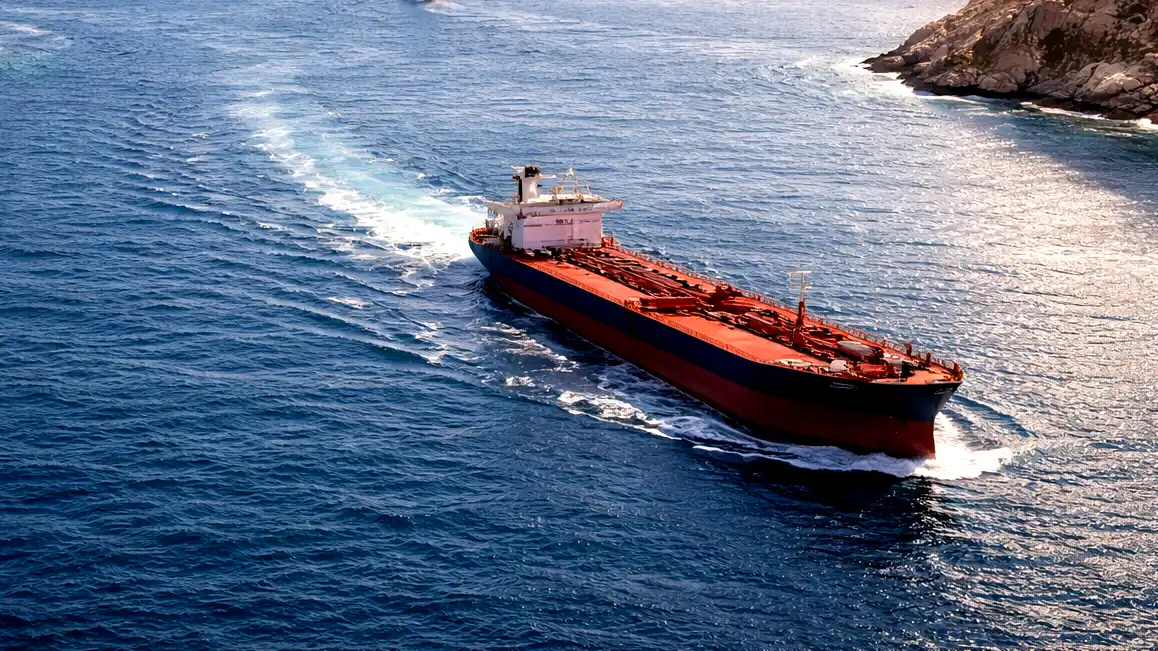
The few brave ships still making the journey stay very close to the Iranian coastline. Most of these vessels carry dry bulk cargo like grain or coal. The recent group also included the Vast Plus, a massive chemical tanker. The United States government has already placed heavy economic sanctions on this specific tanker. Reuters journalists noted they could not find proof of any other ships making the risky trip today.
The 2 rival nations actually signed a ceasefire agreement on April 8. However, this piece of paper did nothing to restart normal commercial shipping. The United States Navy runs the Joint Maritime Information Center. This week, the center released a fresh report stating that commercial traffic remains extremely limited. Ship captains face massive routing uncertainty and simply refuse to risk their expensive vessels or their human crews.
United States President Donald Trump addressed the dangerous standoff on Wednesday. He aggressively urged Iranian leaders to get smart soon and finally sign a permanent peace deal. He made these public comments after several days of totally failed negotiations between the 2 countries. Meanwhile, major news outlets report that the American military plans to extend its strict naval blockade around major Iranian ports for the foreseeable future.
To make money during the ongoing blockade, Iranian officials recently floated a brand new proposal. They want to charge commercial ships a heavy cash toll for sailing safely through the strait. Iran controls a large portion of the coastline and seeks to compel international shipping companies to pay for access to the water. The country desperately needs foreign currency to keep its struggling economy afloat.
The United States Treasury Department quickly attacked that toll idea on Tuesday. Treasury officials issued a stern advisory to shipping companies worldwide. They told corporate executives that paying any money to Iran carries massive legal risks. If a shipping company pays the toll, the American government promises to impose severe financial sanctions on it.
This strict warning applies to almost everyone doing business on the water. The Treasury made it clear that American citizens and United States financial institutions cannot send cash to the Iranian government or the Revolutionary Guards. The rule also blocks foreign companies controlled by Americans from making these payments. The government outlaws both direct cash transfers and indirect payments through hidden middlemen.
The American government also threatened foreign businesses that have no direct ties to the United States. The Treasury stated that paying the toll creates significant sanctions exposure for non-American persons. If a foreign shipping company transfers cash to Iran, the United States can freeze its global bank accounts and bar it from operating in American markets. This severe threat effectively forces global cargo companies to avoid the strait entirely.
This ongoing standoff leaves the global supply chain in a total crisis. The Strait of Hormuz normally handles roughly 20 percent of the daily global oil supply. Without access to this shortcut, shipping companies lose millions of dollars every week by taking longer routes across the ocean. Until Trump and Iranian leaders find a real compromise, the vital waterway will sit mostly empty. Consumers around the world will soon pay the price as basic shipping costs skyrocket.















