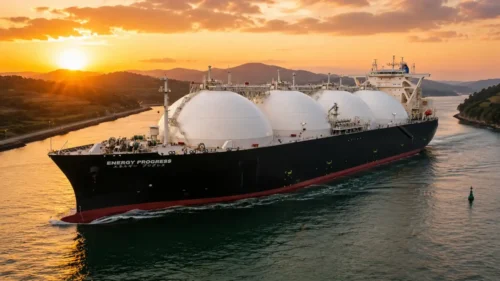

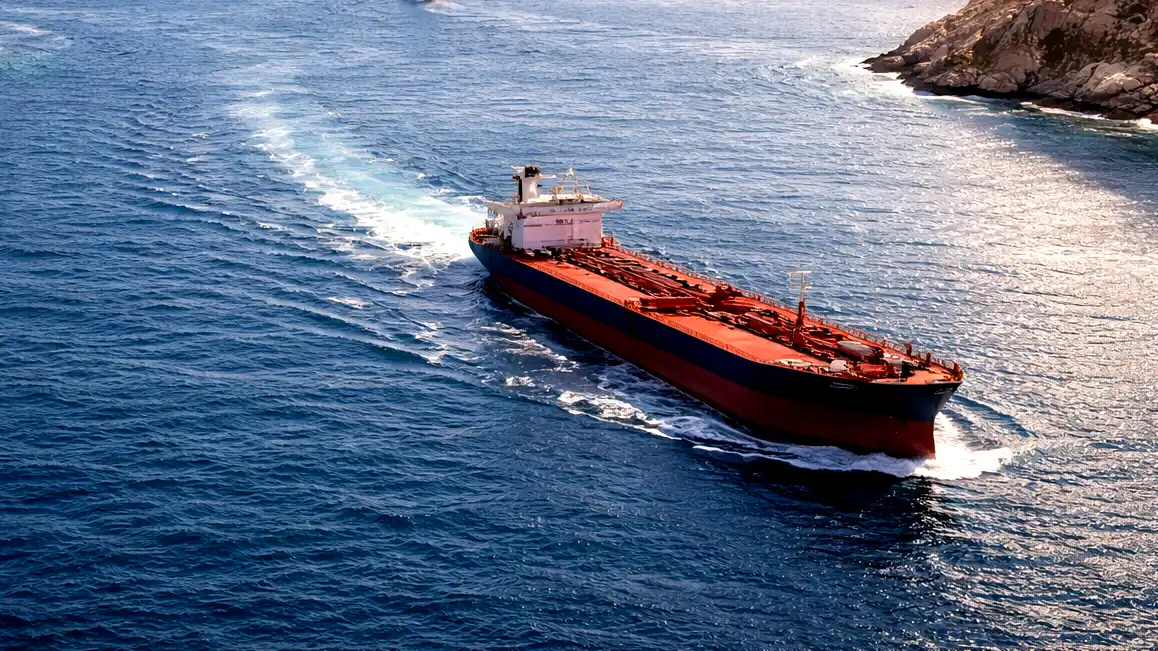
The Strait of Hormuz is a narrow stretch of water that separates Iran from the Arabian Peninsula. If you look at it on a map, it seems like a small gap, but for the global economy, it acts as a massive artery. Every day, supertankers carrying nearly one-fifth of the world’s oil supply navigate this passage. When tensions rise in this region, the entire world holds its breath. Recently, reports of blockades, halted negotiations, and open conflict in these waters have sparked fears of a crisis that could cripple global trade and energy security.
As the standoff between Iran and the United States deepens, the international community watches with growing anxiety. Diplomatic channels, which once offered a path toward de-escalation, now seem clogged by distrust and broken promises. This conflict is no longer just about two nations in the Gulf; it has evolved into a global challenge. We must understand why this narrow waterway carries so much weight and what it would take for international mediators to pull the region back from the edge of a wider war.
Why the Strait of Hormuz Defines Global Energy
We often forget how fragile our modern life truly is. We flip a switch, and the light turns on. We drive to the station, and we fill our tanks. But these actions rely on a logistics chain spanning thousands of miles. The Strait of Hormuz is the single most important choke point for global energy. If ships stop moving through this gap, the global market for oil and gas does not just slow down; it effectively freezes.
The danger of this situation creates a ripple effect across every continent:
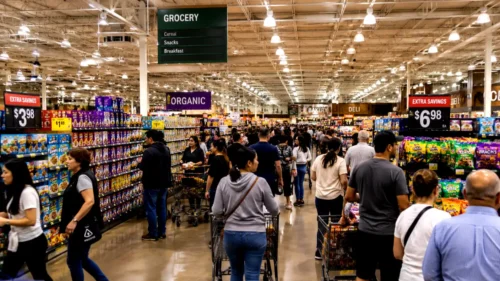
- Energy Prices: Markets react to uncertainty immediately. Even the threat of a blockade sends oil prices soaring, quickly leading to higher gasoline and heating costs for families everywhere.
- Supply Chain Disruptions: Modern manufacturing relies on cheap, reliable energy. If fuel prices spike, the cost of moving goods around the world—from food to microchips—increases, fueling global inflation.
- Insurance Risks: Shipping companies operate on thin margins. When the risk of attack increases, insurance premiums for tankers skyrocket, making it too expensive for some companies to continue their routes.
- Global Dependence: Because so many nations rely on oil and gas from the Gulf, a crisis in this one location becomes an immediate national security issue for countries as far away as Japan, Germany, and the United States.
The Breakdown of Diplomacy: Why Talks Fail
For a long time, back-channel talks and international mediation offered a glimmer of hope. Diplomats from various nations worked tirelessly to bring the U.S. and Iran to the table. They wanted to build a framework where security concerns could be addressed without the need for military force. Yet, the situation on the ground constantly undermines these efforts. Every time a new negotiation starts, a military incident—a seized ship, a strike on infrastructure, or a provocative statement—seems to arrive and pull the rug out from under the peace brokers.
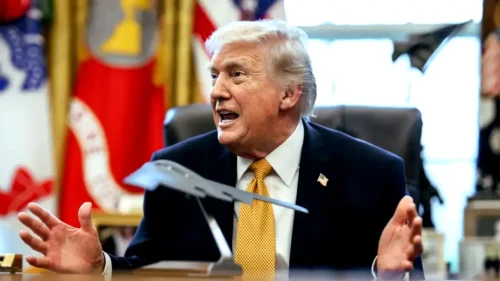
Trust is the most expensive commodity in the Middle East right now, and both sides have very little of it to spare. Washington views Tehran’s regional influence as a threat, while Tehran views Washington’s presence as a deliberate attempt to isolate and weaken its government. This cycle of suspicion makes it incredibly difficult for mediators to move beyond basic demands. Each side worries that any concession will be seen as a sign of weakness, and in a high-stakes standoff, showing weakness is a risk that neither leader seems willing to take.
The Human Cost of Regional Instability
While experts argue over trade routes and military strategies, we must never lose sight of the people living in the middle of this standoff. Displacement is a tragic, inevitable byproduct of this conflict. Families in Lebanon and other parts of the Gulf region are currently facing a nightmare, with over a million people forced from their homes due to the violence.
The human toll includes:
- Economic Ruin: Small business owners, farmers, and workers see their livelihoods disappear as the economy turns toward survival mode.
- Mental Health Crisis: Living under the threat of airstrikes or naval blockades causes lasting trauma, especially among children who grow up in a constant state of fear.
- Infrastructure Collapse: Hospitals, schools, and local power plants often bear the brunt of the conflict, leaving populations without basic care when they need it most.
- Refugee Waves: When local security vanishes, the only option left for many is to leave their country, creating a massive humanitarian challenge for neighboring nations.
The Role of International Mediators
Even when things look hopeless, international mediators stay in the game. Countries that maintain ties with both Washington and Tehran—such as Oman, Qatar, and Pakistan—often take on the thankless task of carrying messages across the divide. These mediators play a vital role because they allow both sides to talk without the public spectacle of a face-to-face summit.
Mediators focus on a few key goals to prevent total collapse:
- De-escalation Measures: They work to create “rules of the road,” such as temporary maritime corridors where ships can pass without fear of harassment.
- Back-channel Communication: They ensure that if a mistake happens at sea, it doesn’t immediately turn into a full-scale war.
- Economic Relief: They try to negotiate small “humanitarian” openings where the most basic needs—like medicine or food—can get through despite the sanctions and blockades.
- Building a Bridge: Their ultimate goal is to find one small issue that both sides can agree on, which can then serve as the foundation for bigger, more difficult negotiations.
The Dangers of “Maximalist” Thinking
Diplomatic sources often describe the peace plans presented by both the U.S. and Iran as “maximalist.” This term means that both parties are asking for everything they want while offering almost nothing in return. If one side demands a total end to the other side’s strategic programs—like nuclear development or regional military influence—that offer will almost always be rejected.
A “maximalist” approach creates a deadlock because it forces the other side to choose between surrender and continued fighting. Peace, by definition, requires compromise. It means both sides walk away slightly unhappy with the deal, but satisfied that they have avoided the destruction of war. Until the rhetoric changes from “all or nothing” to “what can we live with,” the prospects for a meaningful ceasefire will remain very dim.
Why We Must Watch the Strait of Hormuz
We cannot afford to ignore this standoff. The modern world is too small and too connected for a conflict in the Gulf to stay local. Every tanker that stops moving affects the price of goods in your local store. Every new threat of blockade changes how governments plan their energy futures. The security of the Strait of Hormuz is not just a regional concern; it is a global public good.
This situation requires us to be observant and critical:
- Look for Facts: Official government statements often omit context. Rely on diverse, independent sources to understand what is actually happening at sea.
- Understand the Stakes: When politicians talk about “defending interests,” remember that it often means defending the stability of the global energy market.
- Support the Diplomats: Even if they fail five times, we need these back-channel efforts to continue. The moment the talking stops is the moment the shooting starts.
The Path Toward a Sustainable Resolution
Peace in this part of the world requires a massive shift in how the U.S. and Iran perceive each other. For a deal to hold, the U.S. must recognize that Iran will always seek to protect its national security and regional influence. Conversely, Iran must find a way to reassure the world that it does not intend to create an atomic bomb or dominate its neighbors through military force.
A lasting resolution would include:
- A Verified Protocol: Both sides must agree on a set of rules governing the Strait of Hormuz, overseen by a neutral third party.
- Step-by-Step Trust Building: Neither side will give up their strongest cards at once. Instead, they could trade small sanctions relief for verifiable pauses in military activity.
- Regional Involvement: The conflict affects all Gulf nations. Bringing other regional powers into the conversation can help lower the temperature and ensure that any deal has broad support.
- Prioritizing Humanitarian Needs: Ensuring that food, medicine, and necessities are exempt from any military pressure is the absolute minimum requirement for any civilized nation.
Final Thoughts: The Choice for Global Stability
The deadline for this latest standoff is fast approaching. As we wait to see whether the parties choose further escalation or negotiation, we must recognize that the consequences are immense. A wider war in the Middle East would likely cause the worst energy crisis in decades, leading to a recession and human suffering on a scale that would be hard to calculate.
Diplomacy remains the only way out. It is a slow, messy, and exhausting process, but it is infinitely better than the alternative. The world must continue to call for de-escalation and hold our leaders accountable for their actions. We are living in a period of high risk, but it is also a period where the right decisions could prevent a global tragedy. Peace is a choice, and one the world desperately needs our leaders to make right now.