

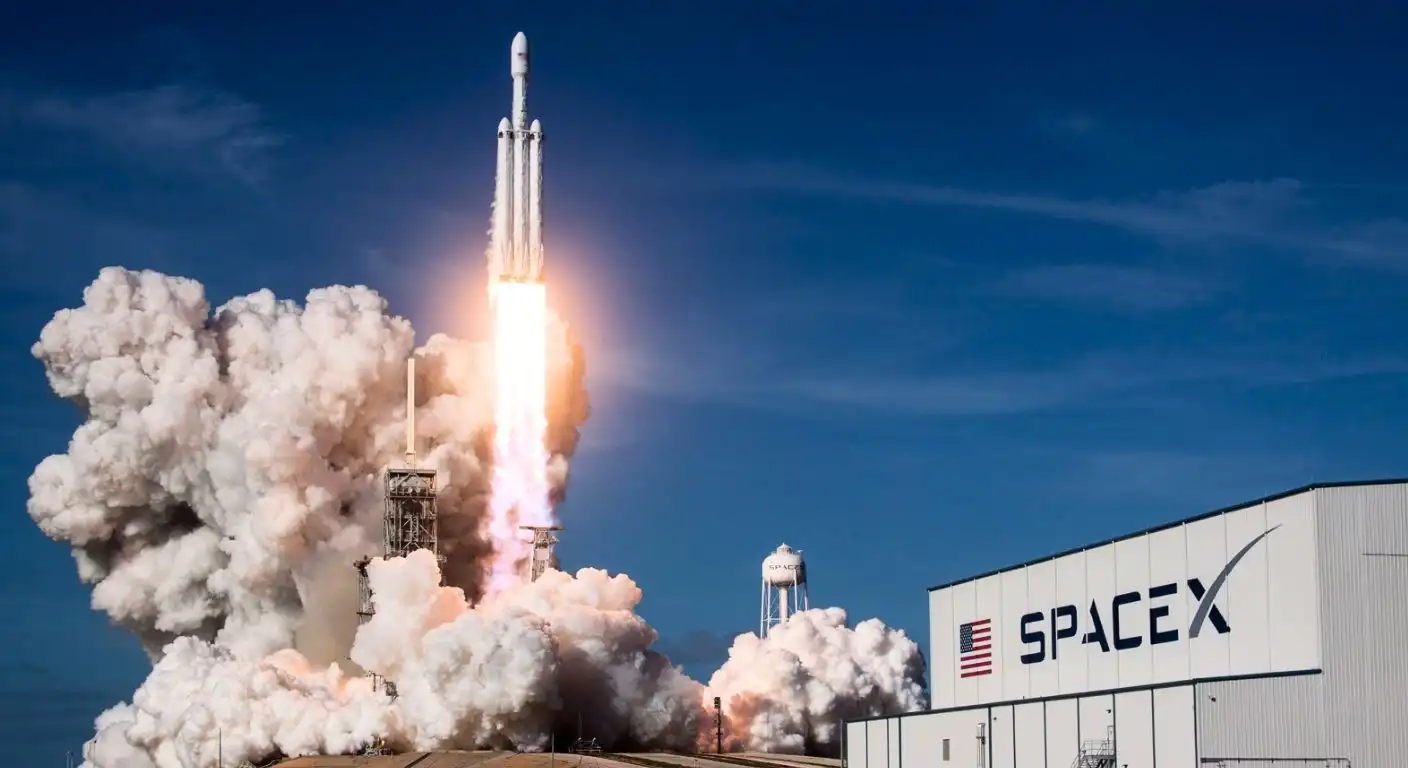
The global aerospace giant is preparing to enter the energy infrastructure business to sustain its ambitious plans for deep-space exploration. According to newly disclosed county filings and regulatory documents, the company plans to break ground next month on a massive eight-mile natural gas pipeline dubbed “Starpipe” to directly supply its Texas launch facilities. The critical project represents a major transition for the firm, which is moving to establish a highly resilient, independent supply chain to support the exponential growth of its space flight operations. The strategic pipeline is designed to eliminate the logistical bottlenecks of transporting fuel over land, keeping the company firmly on its path toward interplanetary travel.
The new pipeline project will connect a major regional natural gas distribution network directly to the company’s private spaceport in Boca Chica, Texas. The pipeline, engineered to transport high-pressure natural gas, will run for approximately eight miles, which translates to 13 kilometers, from its starting point. Regulatory filings submitted to the Texas Railroad Commission by the company’s mineral development affiliate, Lone Star Mineral Development, show that the utility is scheduled to be fully operational and in service by January 2027. The physical footprint of the project represents a massive expansion of the company’s Texas town, Starbase, cementing its transition into a highly specialized industrial municipality.
To secure the physical pathway for the project, the aerospace firm has engaged in extensive real estate negotiations with local municipal authorities. Official documents show that Starpipe is designed to begin on an 83-acre piece of industrial land situated at the Port of Brownsville. The company is currently negotiating a long-term, 50-year lease agreement with the city to secure the land for its fuel processing operations. Port authorities confirmed that the proposed lease represents a major economic development program for the region, generating millions of dollars in local investment while providing the tech firm with the physical space needed to store and process its raw materials.
The technical demands of the project are heavily driven by the immense fuel requirements of the Starship launch vehicle. Each launch of the massive, 397-foot-tall rocket requires millions of pounds of liquid methane and liquid oxygen, creating a massive logistical challenge for ground crews. To meet these fuel demands without relying on traditional trucking fleets, the company is building a highly sophisticated, first-of-its-kind gas liquefaction facility directly adjacent to the launchpad. This industrial plant will process incoming natural gas from the new pipeline, cooling it to minus 162 degrees Celsius to convert it into liquid methane, ensuring a continuous and highly reliable supply of fuel for consecutive launches.
Currently, the company relies on a highly complex and expensive fleet of commercial tanker trucks to transport the liquid methane needed to fuel its rocket tests. This manual supply chain requires dozens of hazardous truck deliveries every day, creating a severe logistical bottleneck that limits the frequency of flight operations. A single launch scrub can force the company to vent or store millions of gallons of fuel, requiring days of transport runs to refill the storage tanks. By replacing this fleet of trucks with a high-capacity, direct pipeline connection, the company will cut its logistical footprint significantly, reducing local road wear while slashing transport costs by an estimated 1.5% annually.
The massive energy requirements of the company’s Texas operations are not confined to rocket fuel, as the firm rapidly expands its digital and computing footprint. Starbase has recently become home to the Colossus supercomputer, a massive data center facility packed with thousands of high-performance graphics processing units. This computing powerhouse requires a continuous, multi-megawatt supply of electricity, which the company plans to generate on-site using highly efficient natural gas turbines. The new pipeline will provide the reliable fuel supply needed to power these generators, ensuring that the company’s advanced artificial intelligence training and rocket telemetry simulations run uninterrupted.
This aggressive vertical integration strategy has been strongly championed by the company’s top leadership. Speaking at a major space industry conference, Company President Gwynne Shotwell confirmed that the firm plans to process its own propellant and even look into drilling for natural gas directly to secure its long-term fuel needs. Shotwell argued that a space company aiming for a high launch cadence cannot remain dependent on the traditional retail energy market. This vision is supported by county land records, which show that the firm has quietly signed more than 100 oil and gas leases with Texas property owners since 2023, establishing a secure, independent energy base.
The sheer volume of the fuel required for a single flight of the world’s most powerful rocket highlights the necessity of a dedicated pipeline. The fully reusable Starship vehicle and its massive Super Heavy booster utilize a combined fuel load of approximately 630,000 gallons of liquid methane per launch. This equates to roughly 2.4 million liters of fuel, a staggering volume that requires a continuous, high-volume flow that only a 16-inch diameter pipeline can reliably deliver. The pipeline’s massive capacity suggests the company is preparing to launch at a rate far beyond the 25 annual flights currently authorized by federal aviation regulators.
Despite the clear logistical advantages, the pipeline project has drawn intense scrutiny and opposition from environmental groups and local residents. The proposed eight-mile route must cross through ecologically sensitive wetland areas and coastal habitats that are home to several endangered bird species. Activists have raised serious concerns that building a high-pressure natural gas pipeline through these protected wetlands poses an unacceptable risk of environmental degradation and soil erosion. The company must secure multiple permits from the U.S. Army Corps of Engineers and the Federal Energy Regulatory Commission before construction can begin, setting up a highly complex regulatory battle.
Ultimately, the construction of the Starpipe natural gas pipeline represents a highly pragmatic, high-stakes milestone in the evolution of commercial spaceflight. By choosing to build its own energy infrastructure and processing facilities, SpaceX has demonstrated that the path to Mars requires far more than advanced rocket boosters. While environmental opposition and complex regulatory approvals pose ongoing hurdles, the company’s commitment to vertical integration demonstrates its determination to control every aspect of its supply chain. As the first pipes are laid in Texas next month, the project establishes a powerful blueprint for a future where space exploration and industrial energy infrastructure permanently converge.















