

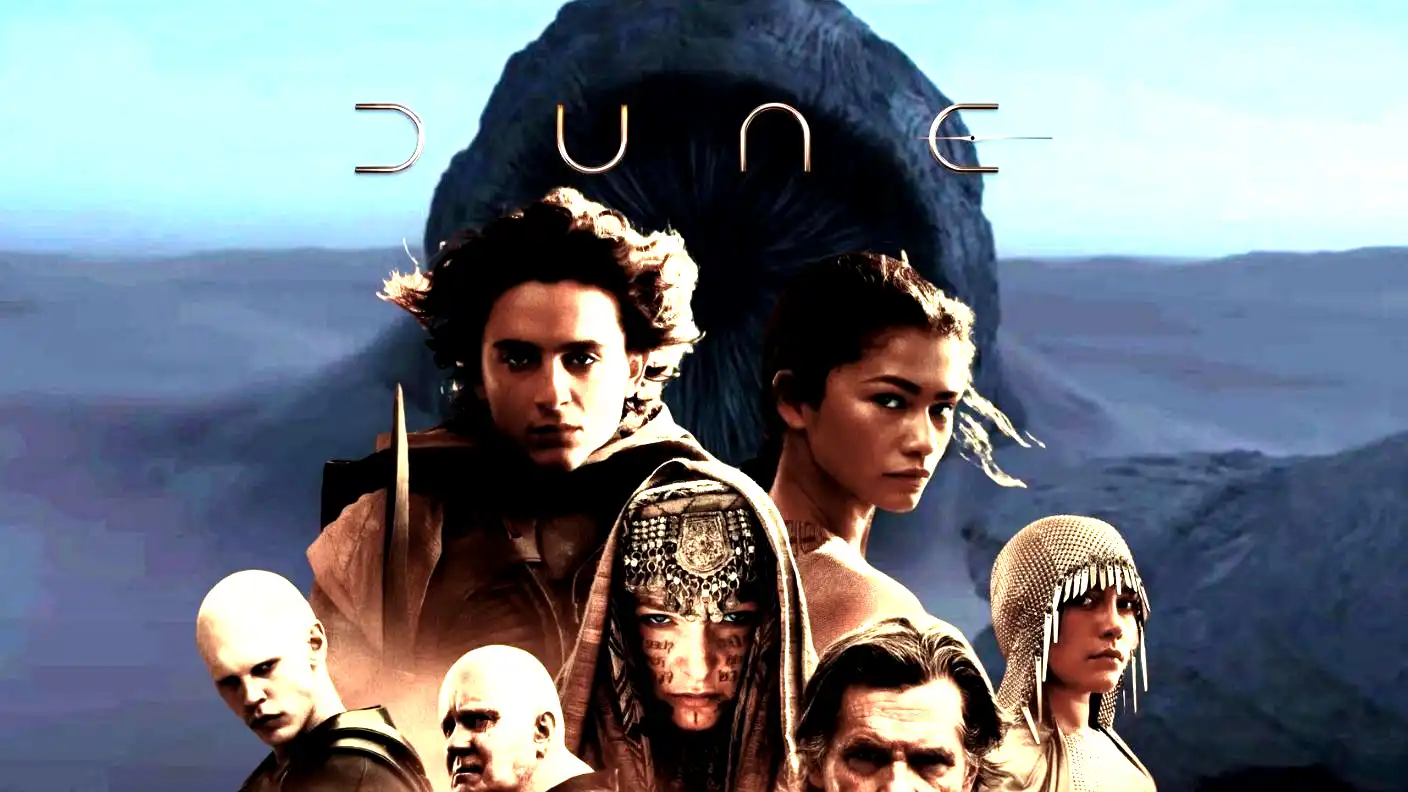
The world of science fiction cinema is bracing for a truly seismic event. When director Denis Villeneuve first transported audiences to the harsh, spice-rich deserts of the planet Arrakis, he successfully revitalized a literary masterpiece that many in the industry had long thought impossible to adapt. Now, this sprawling, visually arresting saga is hurtling toward its grand, devastating conclusion with Dune: Part Three. Based on Frank Herbert’s seminal, structurally daring 1969 novel Dune Messiah, this upcoming cinematic juggernaut promises to plunge global audiences into the dark, complex aftermath of Paul Atreides’s ascension to the galactic throne.
As the highly anticipated final chapter in Villeneuve’s epic trilogy, the film is poised not just to entertain but to alter the global standard for blockbuster storytelling permanently. By challenging the traditional boundaries of the hero’s journey and exploring the terrifying realities of absolute power, the movie is preparing to captivate international audiences. It stands as a testament to the power of high-concept science fiction, ready to deliver a conclusion that is as intellectually stimulating as it is visually magnificent.
The Visionary Evolution: Denis Villeneuve’s Final Chapter
Steering a massive, globally beloved franchise to a satisfying conclusion is a monumental task, but Denis Villeneuve has proven himself to be a master architect of modern cinematic world-building. For this final installment, Villeneuve expands his narrative toolkit, promising a film that is profoundly intimate in its character studies yet undeniably explosive in its global scope.
Co-writing the intricate screenplay with acclaimed writer Brian K. Vaughan—a legendary figure in graphic storytelling—Villeneuve aims to dissect the dangerous reality of unchecked authority. The director has openly described this final installment as his “most personal film,” signaling a shift in the franchise’s dynamic. Instead of a triumphant celebration of a newly crowned king, the story evolves into a tense, action-packed cautionary tale. By delving into the immense psychological burden of the “Holy War” (or Jihad) launched across the stars in Paul’s name, the creative team is intentionally stripping away the romanticism often associated with the messiah trope. Audiences worldwide will be forced to grapple with the terrifying consequences of blind fanaticism, exploring a theme that resonates deeply across diverse modern cultures and historical eras alike.
A Leap Forward: The 17-Year Time Jump and Expanding Worlds
To fully capture the geopolitical, religious, and emotional weight of Frank Herbert’s expansive universe, the film introduces a significant temporal shift. This narrative leap allows the story to explore a galaxy fundamentally transformed by the Atreides reign, moving past the immediate aftermath of the previous film’s desert battles.
The primary plot takes place a staggering 17 years after the events of Dune: Part Two. Paul Atreides is no longer the reluctant heir or the fierce desert warrior fighting for survival; he is the Padishah Emperor, ruling over the Known Universe with absolute, unyielding authority. However, this unmatched power comes at an unfathomable human and moral cost. The narrative focuses heavily on the crushing weight of his clairvoyance and the billions of lives lost during the interstellar crusade fought in his name.
Furthermore, the film’s visual landscape extends far beyond the endless, sweeping dunes of Arrakis. Villeneuve has teased that audiences will finally explore new, previously unseen corners of the imperium. Key locations include Wallach IX, the secretive, atmospheric, and ominous homeworld of the Bene Gesserit sisterhood. Audiences will also witness a radically transformed Arrakeen. The capital city of Arrakis has become heavily urbanized, reflecting the massive influx of cosmic wealth and relentless religious pilgrimage, replacing the stark, functional desert survivalism with imposing, monolithic imperial architecture.
The Ensemble Evolves: Returning Legends and Stellar Additions
A story of this profound magnitude requires an ensemble cast capable of delivering immense emotional depth and commanding screen presence. The casting for this final cinematic chapter represents a brilliant, meticulously curated fusion of beloved returning stars and staggering new international talent.
The character dynamics are set to shift dramatically. Complex political alliances, tragic romances, and deep-seated betrayals will take center stage among the following confirmed key players returning to the franchise:
- Timothée Chalamet as Paul Atreides: Chalamet returns to portray a hardened, deeply conflicted, and world-weary Emperor of the Known Universe, constantly struggling against vivid visions of a tragic future he feels powerless to escape.
- Zendaya as Chani: Described by the director as the true “heartbeat” of the story, Chani’s grounded perspective anchors the narrative, explicitly highlighting the personal and cultural devastation caused by Paul’s sweeping political and religious choices.
- Florence Pugh as Princess Irulan: Now Paul’s wife in name only, Irulan steps out of the shadows of narration to become a central, active figure in a highly dangerous, multi-faction conspiracy against the Emperor.
- Rebecca Ferguson as Lady Jessica: Returning in a minor but impactful role, she continues to rule the oceanic world of Caladan while her immensely powerful children dictate the ultimate fate of the galaxy.
Beyond the core Atreides family, the film introduces brilliant new antagonists. It executes unexpected resurrections that will undoubtedly thrill both long-time fans of the lore and newcomers to the saga:
- Robert Pattinson as Scytale: Joining the franchise as the primary antagonist, Pattinson will play a Tleilaxu Face Dancer, bringing a chilling, shapeshifting, and insidious threat directly into the heart of the imperial court.
- Jason Momoa as Duncan Idaho (Hayt): In a massive, mind-bending science-fiction twist, Momoa returns not as the original Duncan, but as a Tleilaxu “ghola” (clone) named Hayt, gifted to Paul with deeply hidden, potentially lethal psychological conditioning.
- Anya Taylor-Joy as Alia Atreides: Following her brief, eerie cameo, Taylor-Joy steps fully into the role of Paul’s formidable, fully grown younger sister, a character feared by many for her pre-born consciousness and rapidly expanding political power.
- Nakoa-Wolf Momoa and Ida Brooke as Leto II and Ghanima Atreides: Making their cinematic debuts, these actors will portray Paul and Chani’s incredibly powerful, destiny-bound twin children.
- Isaach de Bankolé as Farok: Representing the deeply disillusioned Fremen veterans of the massive Jihad, his character adds a layer of grounded, gritty political tension to the imperial storyline.
Visual Grandeur: A New Era of IMAX Cinematography
The current iteration of this cinematic universe is globally celebrated for its breathtaking, immersive visual language and scale. For the concluding chapter, the production has undergone a fascinating evolution behind the camera, promising an even more overwhelming and textured visual experience.
Academy Award-winning cinematographer Linus Sandgren has taken the reins, replacing Greig Fraser. Sandgren brings a distinct, highly textured, and dynamic approach to the film’s visual storytelling. Principal photography, which took place across the stunning, sun-baked landscapes of Abu Dhabi and the expansive, state-of-the-art soundstages of Budapest, was captured primarily on rich 65mm film. More importantly for global cinephiles, select, highly anticipated sequences were shot specifically on 15/70mm IMAX film. This unwavering commitment to premium large-format photography ensures that the vast urban sprawl of Arrakeen, the eerie, fog-drenched environments of Wallach IX, and the massive scale of the imperial court will be projected with unparalleled clarity, depth, and immersive power on premium screens worldwide.
The Global Cultural Impact and Thematic Depth
The phenomenal success of this cinematic universe is not merely a triumph of special effects and massive budgets; it is a profound testament to the story’s enduring, cross-cultural resonance. Frank Herbert’s original narrative was a deep commentary on global ecology, imperialism, the inherent danger of charismatic leaders, and the volatile intersection of religion and politics. In today’s highly complex global climate, these overarching themes feel more relevant and urgent than ever before.
By faithfully adapting the core tenets of Dune Messiah, Denis Villeneuve is honoring the author’s original, uncompromising intent: to explicitly warn humanity against surrendering their individual agency to messianic figures and political saviors. The enduring global appeal of this cinematic franchise lies in its steadfast refusal to offer easy answers or clear-cut, infallible heroes. Instead, it challenges audiences from all walks of life to question authority and to understand the incredibly delicate balance between ecological and political systems. As international audiences prepare for this final chapter, the film stands as a unifying cultural event, proving that high-concept, philosophically dense science fiction can wholly dominate the global box office while simultaneously sparking vital, critical conversations.
Conclusion: A Monumental Theatrical Event
As the intensive post-production process continues to refine the sprawling visual effects and weave the intricate, booming soundscapes, the global countdown has officially begun. Scheduled for a massive international theatrical rollout, including a highly anticipated wide IMAX release on December 18, 2026, the film is perfectly positioned to be the undisputed cinematic event of its era.
Dune: Part Three represents the breathtaking culmination of years of visionary filmmaking, deeply passionate performances, and unparalleled cinematic world-building. It promises to deliver an emotionally shattering, visually spectacular finale that will permanently cement Denis Villeneuve’s trilogy as one of the greatest artistic and commercial achievements in the history of global cinema. For fans of deep, provocative, and visually stunning storytelling, the final journey into the deep desert cannot come soon enough.















