

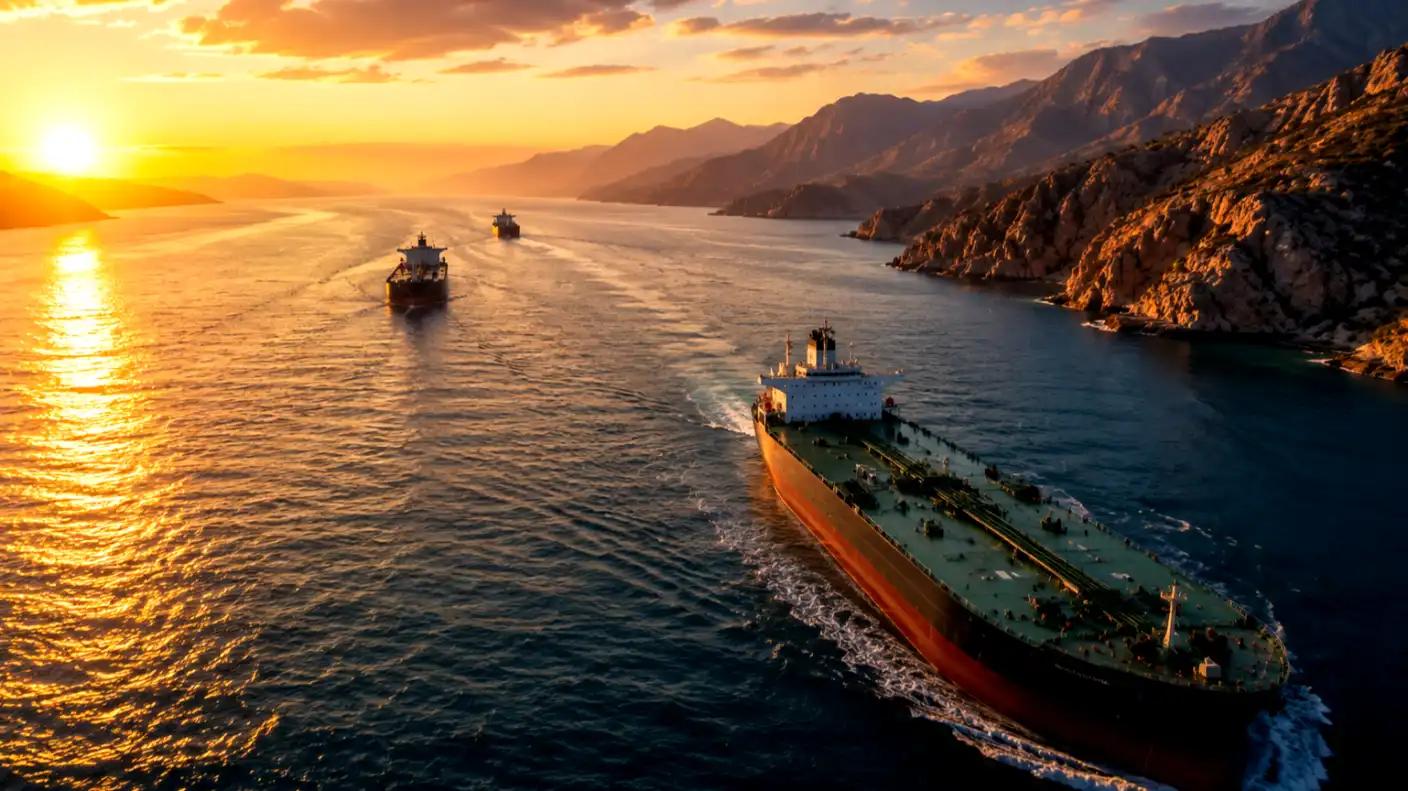
A Chinese-owned oil tanker was attacked near the Strait of Hormuz on Monday. A person familiar with the situation told the Chinese media outlet Caixin that this marks the very first time hostile forces have targeted a Chinese oil vessel in this specific conflict. The sudden attack adds immense danger to a waterway that already suffers from intense military violence. Ship owners around the world now fear that no flag or nationality can protect their fleets from the flying missiles.
The crew of the ship took special precautions before sailing into the danger zone. They boldly painted the words CHINA OWNER & CREW across the deck in massive letters, hoping this clear label would deter any strikes. Despite this desperate warning, attackers hit the vessel anyway, sparking a massive fire on the top deck. Maritime security sources quickly identified the damaged ship as the JV Innovation. This specific vessel operates as an oil products and chemical tanker, flying the flag of the Marshall Islands. On Monday afternoon, the captain urgently radioed nearby ships to report the raging fire.
The violent strike happened off the coast of the United Arab Emirates, sitting just a few miles from the busy port of Mina Saqr. Right now, international rescue authorities do not know if any sailors suffered burns or other injuries during the blast. The Chinese foreign ministry stayed completely silent on the matter and declined to answer questions sent after normal office hours. Families of the crew wait anxiously for any news regarding the safety of their loved ones.
This unprecedented attack highlights the complete breakdown of commercial shipping across the Middle East. Under normal circumstances, the Strait of Hormuz handles nearly 20% of all crude oil and natural gas supplies for the entire global market. However, cargo traffic through this vital global chokepoint ground to an absolute halt after the military conflict with Iran erupted on February 28. The once-busy shipping lanes now resemble an empty ghost town.
Because of the ongoing war between the United States and Iran, hundreds of massive cargo ships sit completely idle in the dangerous waters. Roughly 20,000 professional seafarers remain trapped inside the Gulf without any safe way out. These crews cannot move their heavily loaded ships forward into the open ocean, nor can they turn back to port. Renewed drone attacks on commercial ships this week paralyzed the waterway even further, leaving these exhausted sailors facing starvation and extreme danger.
President Donald Trump tried to intervene earlier this week to break the deadlock. On Monday, Trump proudly announced a new American military plan. He promised to send naval forces to rescue these stranded vessels and escort them safely out of the active conflict zone. Ship captains briefly felt a wave of hope. However, the American president canceled the entire operation just 24 hours later.
Trump halted the rescue mission because Iranian military forces reacted aggressively to his public announcement. Iran immediately launched a fresh wave of explosive drones and cruise missiles at several commercial ships moving through the area. The Iranian military also fired heavy weapons at neighboring countries, specifically targeting coastal facilities in the United Arab Emirates. This extremely violent response made the proposed American rescue plan too dangerous for naval commanders to execute.
The conflict stems largely from aggressive economic moves. The United States currently maintains a strict naval blockade in the Gulf of Oman. American warships actively aim to stop all Iranian oil exports from leaving the region. China strongly opposes this American blockade because Beijing remains one of the largest global buyers of Iranian crude oil. The daily attacks and naval blockades severely disrupt China’s energy supply chain. These disruptions force Chinese leaders to seek a quick diplomatic fix before their domestic fuel prices skyrocket.
Chinese government officials are working around the clock to stop the chaos. Just one day before the attackers hit the JV Innovation, China’s foreign minister Wang Yi hosted his Iranian counterpart, Abbas Araghchi. The two diplomats held a high-level emergency meeting in Beijing. Later that evening, the Chinese foreign ministry released a public statement. The statement confirmed that the two foreign ministers focused their intense talks on finding a diplomatic way to reopen the Strait of Hormuz to normal commercial shipping.
Fortunately, a temporary pause in the daily violence might happen soon. High-ranking government sources report that the United States and Iran are slowly moving toward a limited ceasefire agreement. Negotiators from both sides recently drafted a basic framework that would successfully stop the shooting and missile launches. While this temporary deal leaves the most difficult political arguments unresolved, it could finally allow the 20,000 sailors trapped aboard to sail safely home.















