
Saudi Arabia and Kuwait have officially reopened their military bases and airspace to United States forces. This crucial decision removes a massive roadblock for the American military. They can now move forward with their major operation to secure the Strait of Hormuz. The Wall Street Journal broke the news on Thursday, talking to top officials from both the US and Saudi Arabia. This sudden policy shift gives the green light to resume military escorts for commercial ships in one of the world’s most important waterways.
The trouble started earlier this week when the US government launched a mission named Project Freedom. The goal was to guide commercial vessels safely through the narrow strait. However, the operation hit a brick wall just 36 hours after it began. Saudi Arabia and Kuwait unexpectedly blocked American forces from using key locations, including the Prince Sultan Airbase. The Gulf nations revoked flight permissions because they felt the US rushed the plan without offering them sufficient protection against potential revenge attacks.
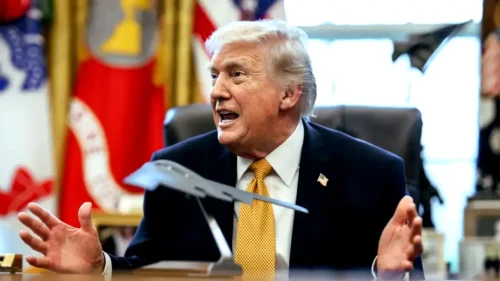
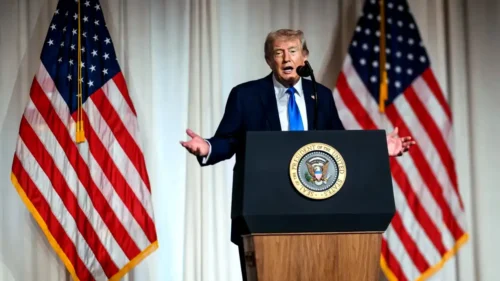
President Donald Trump and Saudi Crown Prince Mohammed bin Salman had several tense phone calls to sort out the mess. Saudi leaders felt frustrated after US officials seemed to brush off the real dangers of Iranian counterattacks. They wanted solid guarantees that American forces would defend their cities and oil hubs if a wider war broke out. Once the two leaders reached a clear understanding, Saudi Arabia and Kuwait felt comfortable enough to lift the heavy restrictions on US troops.
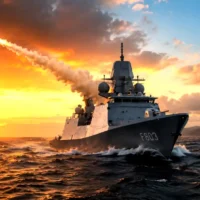
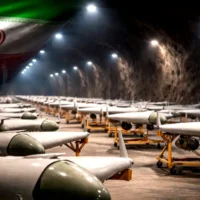
The fears of the Gulf states made complete sense. As soon as the US announced Project Freedom on social media, Iran launched a fierce response. Iranian forces fired a barrage of cruise missiles and sent explosive drones toward US warships. They did not stop there. They also fired 15 missiles directly at the United Arab Emirates’ oil export hub in Fujairah. This aggressive move marked the first major attack on the facility since a fragile ceasefire took effect last month.
The violence in the region is creating shockwaves across the global economy. Before the fighting ramped up, traders placed massive financial bets on the energy market. Reports show that investors poured $7 billion into oil-price contracts, betting heavily on market chaos. Right after the news dropped about the US and Saudi agreement, crude oil prices jumped. Brent crude futures rose 0.7 percent, hitting $101.98 per barrel in afternoon trading. Energy markets remain on high alert as the military buildup continues.
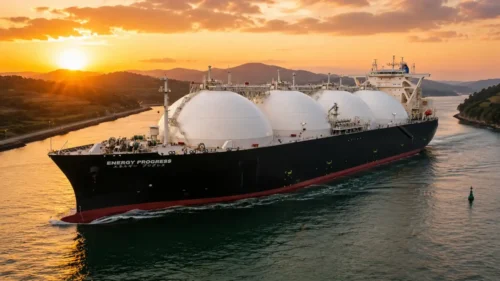
Local economies in the Middle East also face a massive hit. Tourism, a major money maker for the region, is crashing hard. Experts at Moody Analytics project that hotel occupancy in Dubai will drop to a miserable 10 percent during the second quarter of 2026. Normally, Dubai enjoys a solid 80 percent occupancy rate during this time of year. On top of that, Qatar halted its liquefied natural gas exports entirely, extending a supply freeze until June.
Despite the chaos, the first phase of Project Freedom did achieve a small victory. US naval forces managed to guide two American-flagged ships safely out of the Persian Gulf. However, non-US ships face terrible risks. Just on Thursday, attackers struck a Chinese-owned oil tanker near the strait. The deck of the massive ship caught fire, though officials still have not confirmed any casualties among the crew. This attack surprised many, as China usually avoids taking direct hits in these conflicts.
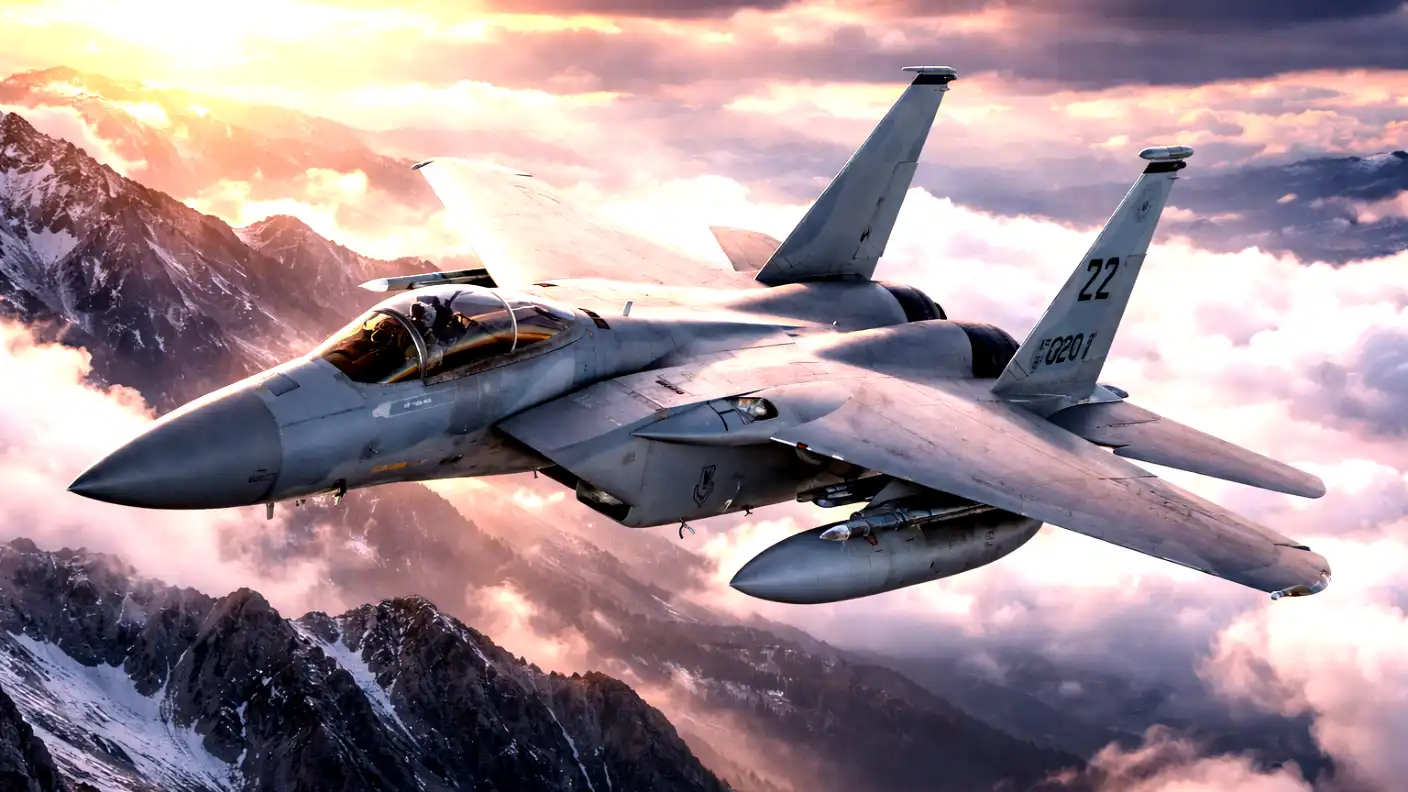
With the airspace and bases now open again, the US military is preparing a massive show of force. Defense officials describe their plan as creating a protective dome over the strait. The operation relies heavily on Kuwaiti and Saudi facilities for aircraft launch and refueling. The US Navy plans to send destroyers to clear underwater mines while fighter jets, attack helicopters, and surveillance drones circle above. They want to create a highly secure corridor for cargo ships to pass through safely.
Pentagon leaders expect the escort missions to restart in a matter of days. In the meantime, quiet diplomacy continues in the background. Pakistan is stepping in as a mediator, trying to cool down the boiling tensions between Washington and Tehran. However, Iran remains extremely hostile to the American presence. Iranian officials completely rejected a recent US proposal to ease the standoff, calling the plan unrealistic and vowing to resist foreign interference in their local waters.