

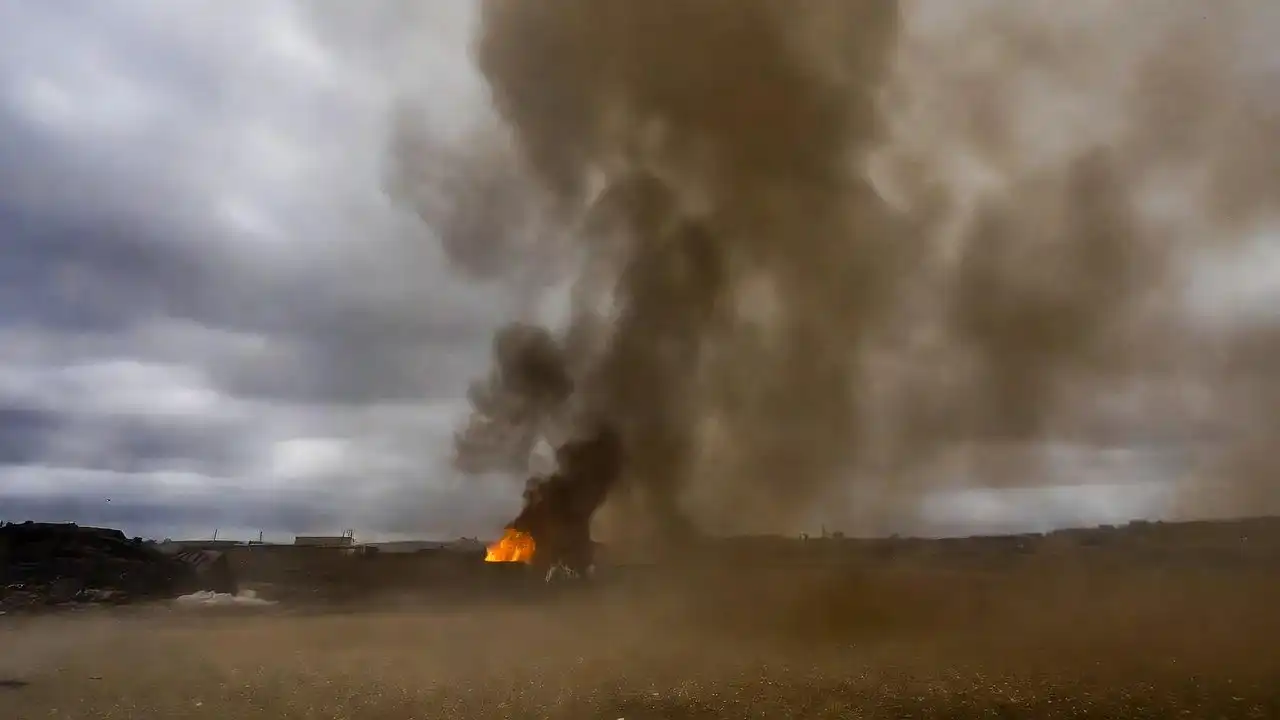
Saudi Arabia launched secret airstrikes directly into Iran late last March. These attacks served as strict payback for earlier strikes against the Saudi kingdom during the ongoing Middle East war. Reporters broke the news this week after speaking with 4 separate sources who knew the details of the operation. The group of insiders included 2 Western officials and 2 Iranian leaders.
This bold move marks a massive shift in regional politics. For decades, Saudi Arabia and Iran fought each other through proxy groups in places like Yemen, Syria, and Lebanon. Now, Saudi forces have directly bombed Iranian soil for the first known time in modern history. Leaders in Riyadh finally decided to take matters into their own hands and send a clear message to their biggest rival.
The Saudi Air Force executed the daring mission. Western officials described the bombing as a direct tit-for-tat response. They explained that Saudi leaders felt completely forced to act after enemy rockets and explosive drones hit Saudi territory earlier in the month. Neither side has revealed exactly which Iranian bases, factories, or radar stations the Saudi fighter jets destroyed during the late-night run.
Interestingly, both governments chose to keep the entire military operation quiet for weeks. Saudi officials did not brag about the successful mission on state television or release flashy videos. At the same time, Iranian leaders refused to admit that foreign jets crossed their borders and dropped bombs on their land. Security experts believe both sides want to keep the violence contained and avoid sparking a massive, uncontrollable regional war.
The Middle East currently faces one of its most dangerous periods in recent memory. The broader war involves multiple countries and armed groups firing weapons across borders every single week. Saudi Arabia initially sought to avoid direct combat and focus on its domestic economy. However, repeated attacks on their borders and facilities pushed the kingdom to the breaking point.
Saudi Arabia spends massive amounts of money to build a top-tier military force. The kingdom drops roughly $75 billion a year on national defense. They buy the most advanced fighter jets, smart bombs, and missile defense systems from the United States and Europe. These heavy investments give them a massive edge in the sky.
In contrast, heavy global economic sanctions restrict the Iranian government. Iran spends only about $9 billion annually on its armed forces. Instead of buying expensive fighter jets, Tehran relies heavily on manufacturing cheap suicide drones and local ballistic missiles. They use these cheaper weapons to overwhelm enemy air defenses.
Executing this strike required intense planning and precision from the Saudi military. Saudi pilots had to fly across the Persian Gulf and navigate high-tech Iranian air defense systems without getting shot down. The body of water separates the 2 rival nations by just 150 miles at its narrowest point. Successfully hitting targets inside Iran proves that the billions of dollars spent on Saudi air force training actually paid off.
Global financial markets watch these military developments with extreme fear. The Middle East holds massive energy reserves that power the modern world economy. Saudi Arabia pumps out nearly 10 million barrels of crude oil every single day. Meanwhile, Iran produces roughly 3 million barrels daily. Any direct, open war between these 2 oil giants could instantly send global gas prices skyrocketing.
This secret strike sends a loud and unmistakable warning to Tehran. Saudi Arabia no longer plans to sit back and simply shoot down incoming rockets. The kingdom now demands respect and shows a strong willingness to strike back hard. This newly aggressive stance changes how every other country in the Middle East calculates its next military and political moves.
Diplomats now scramble behind closed doors to prevent another deadly exchange of fire. The Western officials who leaked the story worry that the tit-for-tat game will eventually spiral completely out of control. For now, the secret March strikes stand as a historic warning. Saudi Arabia proved it will cross the Gulf and strike Iranian soil if provoked again.















