

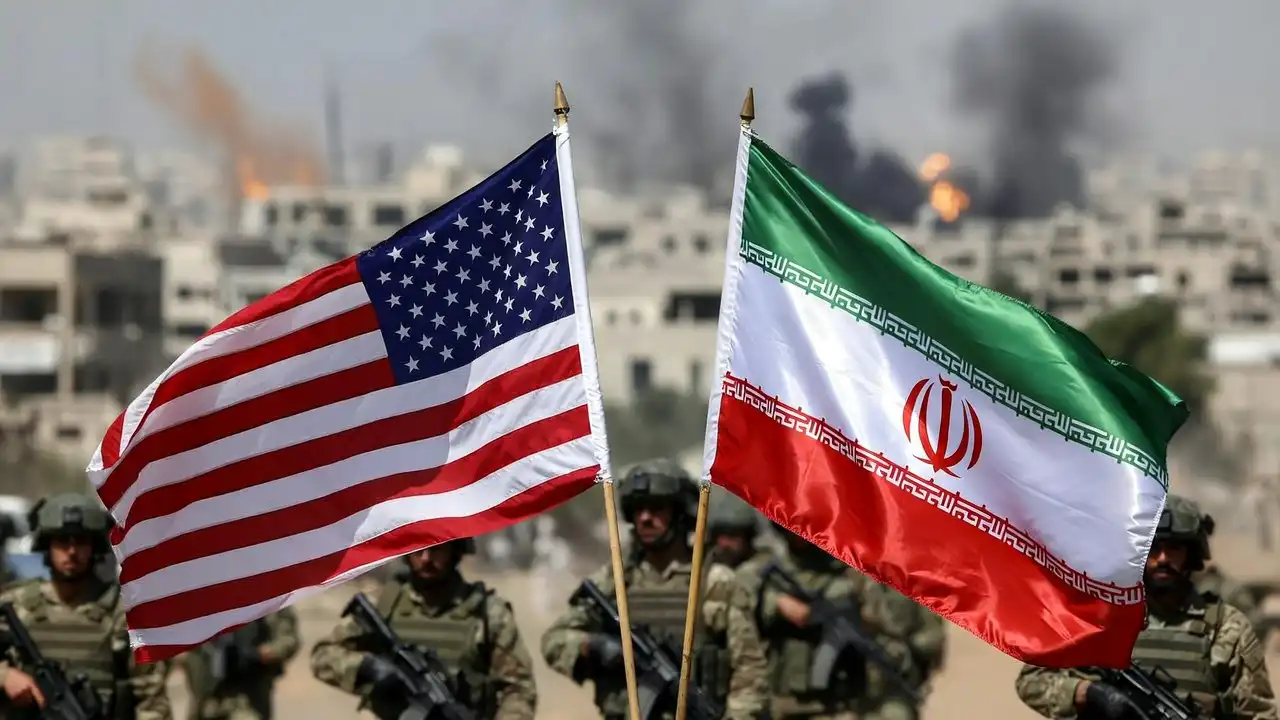
The United States, Iran, and mediator Pakistan all announced major progress on Saturday toward a final understanding to end their brutal, three-month-old war. High-level diplomats and military officials confirm they are currently fine-tuning a 14-point Memorandum of Understanding (MoU). This breakthrough could finally halt a devastating conflict that has killed thousands of people and paralyzed global energy markets.
Sources close to the negotiations revealed that the proposed framework will unfold in exactly 3 distinct stages. The first stage will officially and permanently end the active war. The second stage will completely resolve the shipping crisis in the Strait of Hormuz, allowing commercial tankers to move freely again. The third stage will open a 30-day window for both sides to negotiate a much broader, long-term diplomatic agreement, which they can extend if needed.
Pakistan’s powerful army chief, Field Marshal Asim Munir, drove much of this sudden progress. He just concluded a highly productive, short visit to Tehran, where he conducted intense 24-hour negotiations with Iran’s top civil and military leadership. Munir met face-to-face with Iranian President Masoud Pezeshkian, Parliament Speaker Mohammad Bagher Ghalibaf—who leads the Iranian negotiating team—and Foreign Minister Abbas Araqchi.
Following those high-level meetings, Iranian Foreign Ministry spokesperson Esmail Baghaei confirmed that the talks have reached their final stages. He told state media on Saturday that Tehran’s primary focus remains on ending the imposed war. Baghaei emphasized that the proposed 14-point agreement must include the immediate lifting of the United States maritime blockade and the unfreezing of billions of dollars in sanctioned Iranian financial assets.
Back in Washington, President Donald Trump posted on his Truth Social platform that a peace deal with Iran has been largely negotiated. He wrote that the final details of the Memorandum of Understanding are still being thrashed out and will be announced shortly. However, the president also warned that he has not ruled out a return to war. Trump told reporters that he will decide by Sunday whether to accept the final deal or order his generals to resume devastating airstrikes. He warned that if they do not reach a good deal, he will destroy his opponents completely.
To build a strong regional consensus before making his final decision, Trump held a massive joint phone call on Saturday with leaders from 10 different countries. He spoke directly with heads of state from Pakistan, Saudi Arabia, Qatar, the United Arab Emirates, Egypt, Turkey, Jordan, Bahrain, Kuwait, and Oman. Interestingly, reports indicated that Israel did not participate in this major regional call. Envoys Jared Kushner and Steve Witkoff, along with Vice President JD Vance, have also played major behind-the-scenes roles in helping bridge the final gaps.
US Secretary of State Marco Rubio, currently visiting New Delhi, India, shared a cautiously optimistic update with reporters. Rubio confirmed that negotiators have made clear, tangible progress over the last 24 hours. He hinted that the United States government might make a major formal announcement in the next few days. However, Rubio reiterated that Washington will never compromise on its core demands, insisting that Iran must never acquire a nuclear weapon and the Strait of Hormuz must reopen to international shipping without tolls.
Reopening the Strait of Hormuz remains the most urgent goal for the global economy. Ever since the war began on February 28, the shutdown of the waterway has choked off roughly 20 percent of the world’s daily oil and gas trade. This massive shipping bottleneck has driven global inflation up by an extra 1.5% over the past two months and upended energy markets, forcing Brent crude oil prices to trade near a painful $111 a barrel. If the negotiators can successfully finalize the 14-point memorandum and reopen the strait, economists estimate it will save global businesses over $1.5 billion every single week.















