
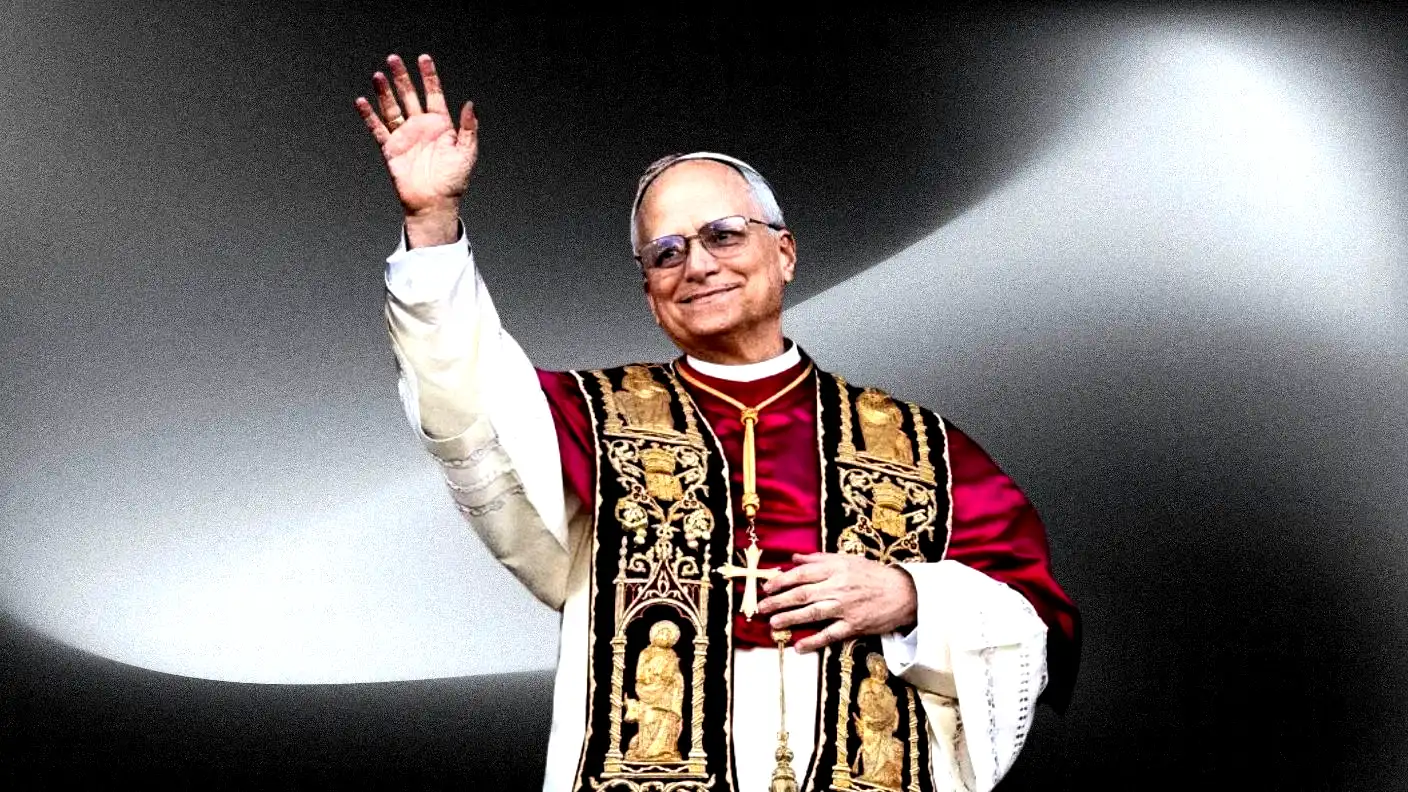
Pope Leo XIV issued a historic warning on Monday, declaring that the international community must actively prevent artificial intelligence from dominating humanity. In his first major encyclical, titled Magnifica Humanitas, the Pope laid out a sweeping moral framework to govern the rapid rise of AI. He urged global leaders to ensure that technology serves human dignity rather than reducing people to mere data points.
The Pope presented the groundbreaking document during a crowded press conference at the Synod Hall in Vatican City. To show the deep connection between the Church’s moral message and the tech industry, the Vatican invited Chris Olah, the co-founder of the safety-focused AI startup Anthropic, to speak alongside the Pontiff. Olah’s company, valued at a massive $380 billion, has been at the forefront of the fight to build safe artificial intelligence models.
Magnifica Humanitas represents the Catholic Church’s most comprehensive and official statement on technology to date. In the document, Pope Leo XIV warned that artificial intelligence possesses the potential to trigger massive disruptions across global society. He specifically focused on the very real danger of large-scale job losses, warning that if computers replace human workers on a massive scale, it will create a moral crisis of epic proportions.
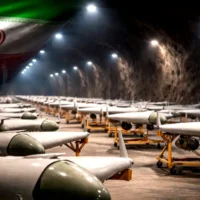
The Pope also addressed the terrifying military applications of artificial intelligence. In his encyclical, he called for an immediate international treaty to ban the development and deployment of fully autonomous weapons systems, commonly known as “killer robots.” He argued that allowing algorithms to make life-or-death decisions on the battlefield constitutes a grave violation of human rights and basic moral laws.
The Pope expressed deep concern over how a small handful of wealthy countries currently control most of the world’s artificial intelligence development. He warned that this extreme concentration of technology risks widening the gap between rich and poor nations. He urged developers to share the benefits of AI globally, rather than using it to create new economic monopolies that leave the developing world behind.
In a particularly poetic section of his message, the Pope reminded programmers that computers completely lack a human soul, consciousness, and true empathy. He wrote that while a machine can process data millions of times faster than a human brain, it can never truly understand love, mercy, or justice. He warned that treating AI like a god or relying blindly on its decisions will eventually dehumanize society.
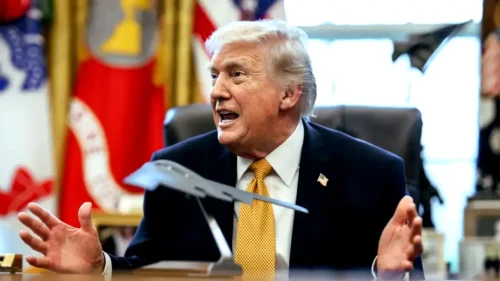
By sharing the stage with Chris Olah, the Pope demonstrated his intent to collaborate directly with the scientific community. Olah echoed many of the Pope’s concerns, admitting that commercial and political pressures often force tech companies to ignore safety rules. Olah’s company, Anthropic, recently faced heavy pressure from the Trump administration to remove its safety guardrails so the U.S. military could use its Claude model. He argued that outside moral guidance from organizations like the Church is necessary to keep the tech industry honest.
The financial stakes in this global technology race are astronomical. The global artificial intelligence market recently topped $638 billion, and economists predict it will grow by over 15 percent every single year. A complete failure to adopt this technology safely could cut global economic output by 1.5% over the next decade. This massive wealth explains why tech companies spend billions of dollars on research, and why the Pope believes the world needs a strong moral shield to prevent these companies from placing profits over human well-being.
Other major academic and religious institutions are also spending heavy cash to support this ethical push. For example, the University of Notre Dame currently manages a massive $50.8 million grant to build an ethical, faith-based framework for the appropriate uses of artificial intelligence. This project aims to bring tech companies and theologians together to establish clear boundaries for future models, demonstrating that the desire for ethical guidelines has spread far beyond the walls of the Vatican.
Ultimately, Pope Leo XIV’s new encyclical serves as a vital wake-up call for a fast-moving world. The Pope is not asking the world to stop building computers or to abandon technological progress. Instead, he wants to make sure that humanity remains firmly at the center of the creative process. As the AI arms race continues to accelerate, the moral guidelines laid out in Magnifica Humanitas will likely serve as a crucial reference point for world leaders trying to keep the technology safe and humane.