

The United States has delivered a devastating blow to the European defense establishment by announcing plans to withdraw its conventional military assets from NATO commitments. Alexander Velez-Green, a senior advisor to Defense Secretary Pete Hegseth, traveled to NATO headquarters in Brussels last week to brief allied officials on the unprecedented cuts. This sweeping pullback, which marks a major European fallback plan, will force European nations to take immediate responsibility for their own conventional defense as the Trump administration shifts its strategic focus.
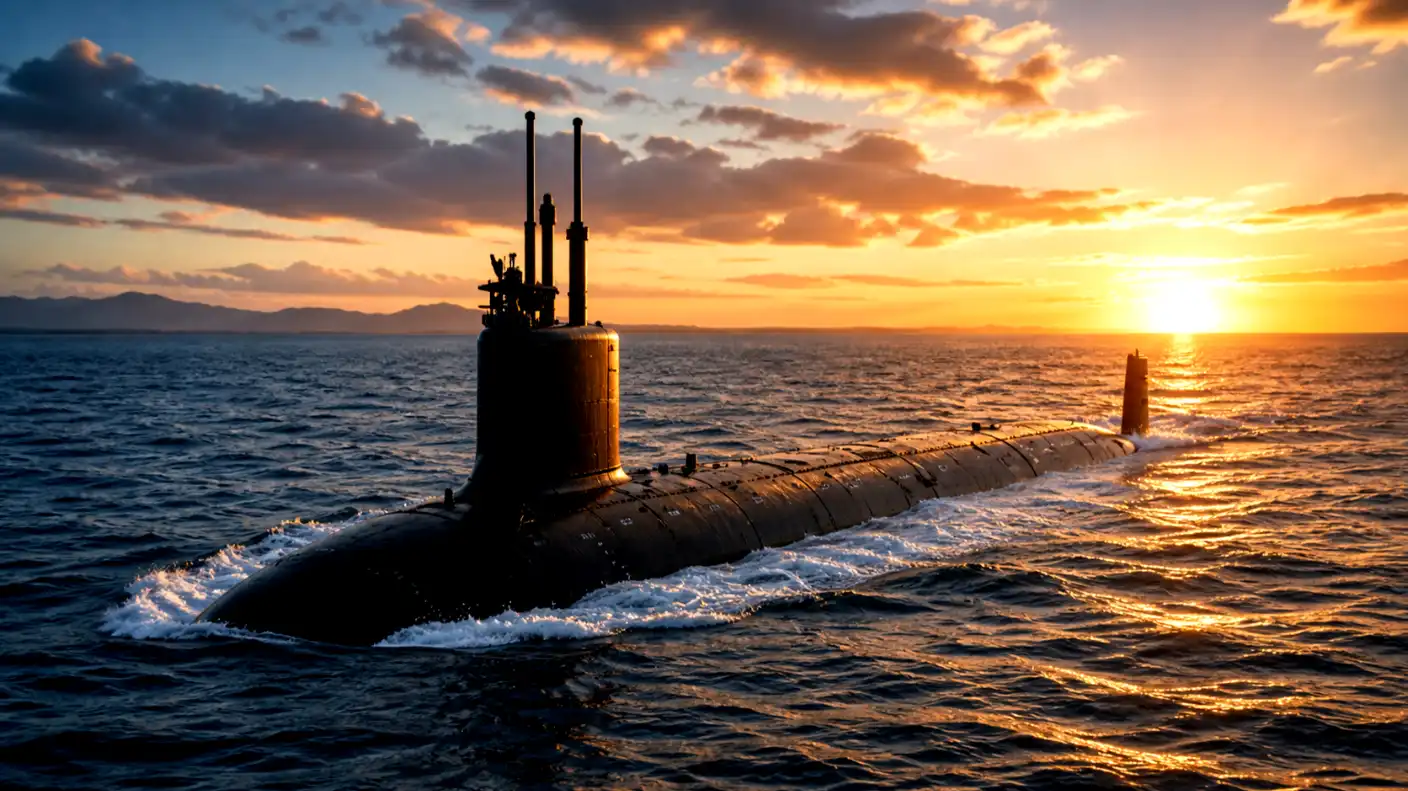
The scale of the planned cuts is absolutely staggering and carves deeply into every major conventional military category. Velez-Green informed shocked European diplomats that the United States is pulling all of its submarines from NATO assignments. Furthermore, Washington will slash its fighter jet contributions by exactly one-third. The Pentagon also plans to halve its strategic bomber pledges, cutting those deployments by 50 percent, while drastically reducing the number of destroyers and armed drones available to the alliance.
This historic move represents a fundamental redefinition of the alliance’s basic division of labor since its creation. Under the new strategy, the United States will continue to provide its nuclear umbrella to protect NATO members. Still, European allies must handle their own conventional military defense on the ground and in the air. The White House expects European countries to supply their own reconnaissance drones entirely and to close the dangerous capability gaps that will open as American forces withdraw.
These massive cuts completely dismantle the NATO Force Model that member states agreed upon in 2022 following Russia’s invasion of Ukraine. Under that 2022 agreement, the United States provided roughly half of the alliance’s total military capabilities to deter potential Russian aggression. By pulling back these high-tech warplanes, destroyers, and submarines, Washington is forcing Europeans to build up their own militaries at an incredibly rapid pace.
This sudden shift in conventional defense is forcing European nations to boost their collective defense budgets by over $100 billion. The cost of relocating and upgrading these massive military networks will easily top $1 billion for smaller member states. European governments may have to cut spending on social programs or raise national taxes, which could drag down local economies. European stock markets already reacted nervously to the news, with the pan-European index falling by 1.5% on Tuesday morning.
The Pentagon is pushing its allies to act with extreme urgency. Velez-Green urged NATO members to prepare formal military offers for the upcoming Force Sourcing Conference scheduled for early June. During that conference, European countries must detail exactly which assets they can provide to fill the void left by the American withdrawal. Washington intends to present the final, completed burden-sharing overhaul at the highly anticipated NATO leaders’ summit in Ankara, Turkey, this coming July.
This military retreat follows months of escalating geopolitical tension between President Donald Trump and European leaders. Trump has frequently criticized European allies for not spending enough on their own defense, famously calling NATO a paper tiger. Tensions reached a boiling point recently when several European nations, including Germany and Spain, refused to support Trump’s naval operations in the Strait of Hormuz during the war with Iran. In retaliation, Trump ordered the withdrawal of 5,000 U.S. troops from Germany and threatened to pull out of the alliance completely.
Realizing they can no longer rely blindly on the United States, European officials are quietly developing a contingency plan sometimes called “European NATO.” This fallback plan, which has gained strong momentum under the leadership of German Chancellor Friedrich Merz, aims to place more European generals in key command roles within the alliance. The goal is to ensure that Europe can maintain operational continuity and deter foreign threats even if Washington completely withdraws or refuses to honor the Article 5 mutual defense pact in a future crisis.
Ultimately, the era of predictable, rock-solid American security guarantees has officially come to an end. While the United States will still maintain a nuclear deterrent, European nations must now step up and spend billions of dollars to defend their own territory. As the June conference and the July Ankara summit approach, European leaders must make difficult choices to secure their continent’s survival, proving they can defend themselves with the Americans if possible, but without them if necessary.















