

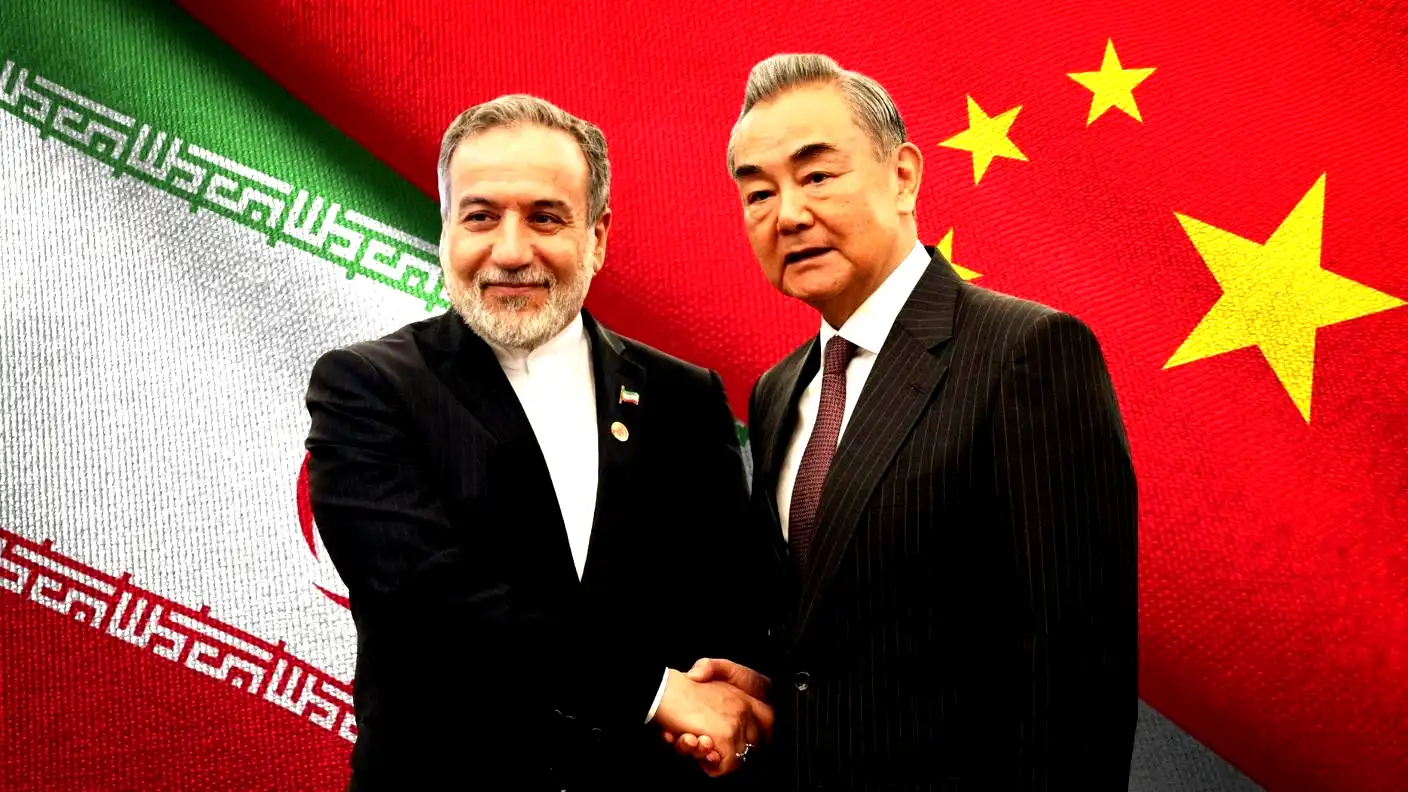
China’s government welcomed the recent progress in peace negotiations between the United States and Iran on Tuesday. Foreign Ministry spokesperson Mao Ning urged both warring sides to meet each other halfway to finalize a major ceasefire agreement. This statement comes as diplomats from Pakistan and Qatar work feverishly in Tehran to fine-tune a 14-point Memorandum of Understanding (MoU) to end the three-month-old war.
Mao told reporters during a regular press briefing in Beijing that China stands ready to play a constructive role in restoring regional stability. The Chinese government hopes the emerging agreement will successfully secure the freedom of navigation for commercial ships in the Middle East. As a major trading superpower, China relies heavily on stable maritime trade routes to keep its massive manufacturing factories running.
Beijing has a massive financial stake in the outcome of these peace talks. The brutal war has completely blocked commercial shipping through the Strait of Hormuz since the conflict first erupted on February 28. Under normal conditions, nearly 20 percent of the world’s daily oil and natural gas supplies pass through this narrow waterway. The prolonged closure has cost the global shipping industry over $1.5 billion every week due to fuel detours and skyrocketing insurance premiums.
The severe energy disruption has sent shockwaves through the global economy, driving international inflation up by an extra 1.5 percent over the last two months. This inflation spike has severely hurt consumers and businesses worldwide, forcing Brent crude oil prices to trade near a painful $111 a barrel. If the negotiators can successfully finalize the 14-point memorandum, economists estimate it will save global businesses billions of dollars and lower gas prices almost instantly.
Beyond general trade, China holds a highly specific interest in the conflict. Beijing has been the primary buyer of Iranian crude oil for years, purchasing roughly 90 percent of Iran’s total oil exports despite strict Western sanctions. U.S. President Donald Trump has frequently criticized China for this trade, accusing Beijing of directly funding Iranian military operations. This oil connection has placed China in a highly delicate diplomatic position throughout the three-month war.
The war in the Middle East was a major topic of discussion last week during Trump’s high-stakes three-day state visit to Beijing. Trump pressed Chinese President Xi Jinping to use his massive financial leverage to force Iran to stop the war and reopen the shipping lanes. However, Xi maintained a cautious stance, arguing that ending the conflict is primarily Washington’s responsibility, given that U.S. military strikes in late February originally triggered the active fighting.
The proposed peace deal, now in its final stages, outlines a strict three-phase plan. The first stage will officially establish a 60-day ceasefire. Under the second stage, Iran must clear all of the underwater sea mines it deployed during the conflict, allowing commercial ships to transit the strait without paying any illegal tolls. In exchange, the United States Navy will lift its strict blockade on Iranian ports and issue temporary, limited sanctions waivers to allow Iran to sell its oil.
The final stage of the agreement will open a 30-day window to negotiate a permanent, comprehensive treaty covering Iran’s controversial nuclear program. Trump insists that Iran must eventually hand over its entire 400-kilogram enriched uranium stockpile to the United States to be destroyed. While Iran’s supreme leader, Mojtaba Khamenei, recently issued a strict directive forbidding any nuclear fuel from leaving the country, mediators hope a compromise can still be found during the 60-day truce.
To build a strong regional consensus before making his final decision, Trump held a massive joint phone call on Saturday with leaders of 10 Middle Eastern nations, including Saudi Arabia, Qatar, the United Arab Emirates, Egypt, and Turkey. Trump posted on Truth Social that a peace deal with Iran has been largely negotiated. However, he warned that he expects a final answer by the end of the week, or he will order his generals to resume devastating airstrikes.
For now, China’s public support for the peace process adds major diplomatic momentum to the negotiations. As the final details are being thrashed out in Tehran, the entire world watches the Middle East with extreme caution. If the diplomats can successfully get both sides to meet halfway and sign the 14-point memorandum, it will prevent a massive escalation of the war, stabilize global energy markets, and secure a peaceful future for the region.















