

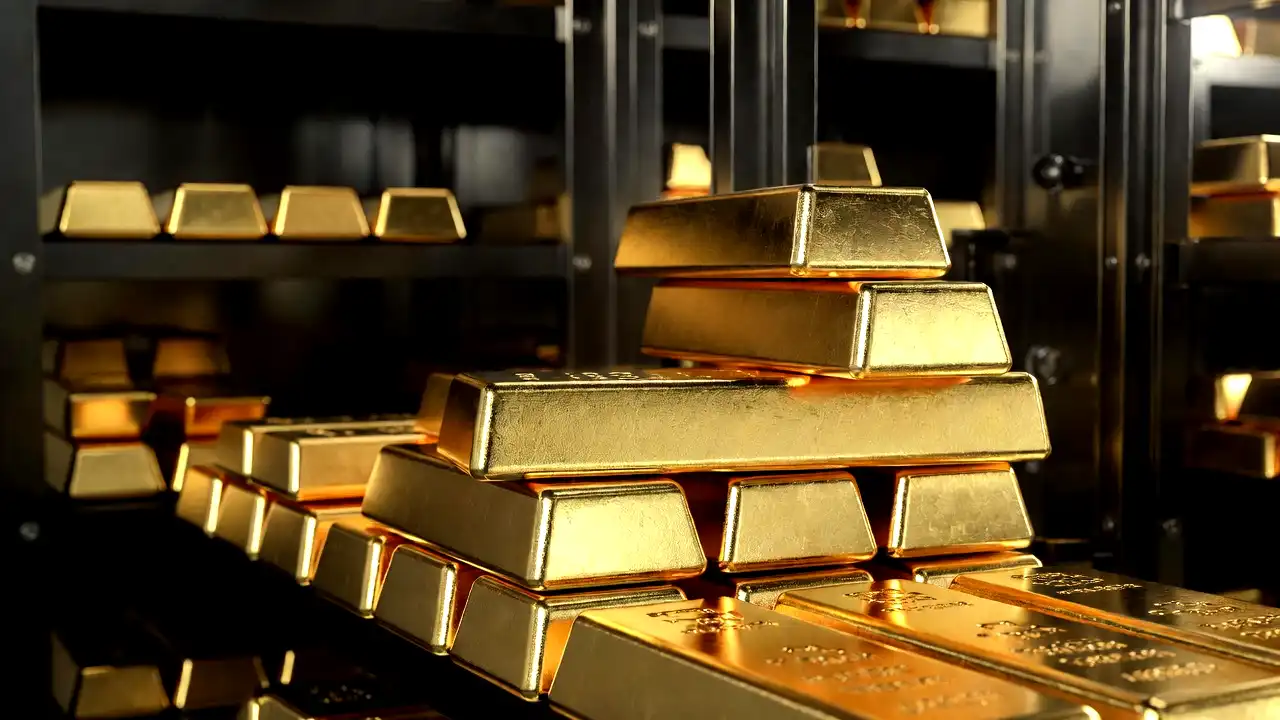
Gold prices edged slightly higher on Wednesday morning as global investors kept a close eye on the high-stakes peace talks between the United States and Iran. Spot gold rose exactly 0.3% to settle at $4,554.12 per ounce by early morning trading. At the same time, United States gold futures for June delivery gained 0.4%, climbing to $4,565.30 per ounce. While the prospect of a Middle East ceasefire has temporarily cooled the panic buying of safe-haven assets, gold remains highly resilient as buyers continue to hedge against persistent global inflation and geopolitical uncertainty.
The fragile ceasefire in the Middle East has entered a highly critical phase, keeping financial markets on edge. President Donald Trump and Iranian negotiators have spent the last few days trying to finalize a 14-point Memorandum of Understanding to end the three-month-old war. Trump announced on his social media platform, Truth Social, that the two sides have largely negotiated the agreement. However, he also issued a stern warning, stating that he expects a final answer by the end of the week, or he will order his generals to resume devastating airstrikes.
The draft peace agreement focuses heavily on resolving the energy crisis by completely reopening the Strait of Hormuz to international shipping. Ever since the war began with joint American and Israeli airstrikes on February 28, the closed shipping channel has choked off roughly 20% of the world’s daily oil and gas supplies. This massive shipping bottleneck has driven global inflation up by an extra 1.5% over the past two months. Economists estimate that the prolonged shipping closure has cost international businesses over $1.5 billion every single week.
To force Iran to sign the non-nuclear peace deal, the United States continues to enforce a strict naval blockade of Iranian commercial ports. Just this week, the U.S. Navy intercepted and redirected several foreign cargo vessels attempting to trade with the country. This economic squeeze has devastated Iran’s national treasury, cutting off its vital oil export revenues. While the proposed deal offers some temporary sanctions relief, Trump insists that Iran must completely surrender its entire 400-kilogram enriched uranium stockpile before the United States lifts the blockade permanently.
Beyond the immediate military developments, gold traders are also looking ahead to major economic data releases scheduled in Washington later this week. Investors are waiting for the second estimate of the first-quarter U.S. Gross Domestic Product (GDP), due on Thursday. Even more importantly, the market is waiting for the core Personal Consumption Expenditures (PCE) price index, which the government will release on Friday. The Federal Reserve closely monitors the PCE index as its primary measure of consumer inflation.
These upcoming inflation reports are vital because they will determine the Federal Reserve’s next interest rate move. The surge in oil prices caused by the war in the Middle East has pushed fuel and transportation costs way up. This keeps core inflation elevated well above the central bank’s comfort zone. If the data shows that inflation remains stubbornly high, the Fed will have almost zero room to cut interest rates in 2026. High interest rates are highly negative for gold because the precious metal pays exactly 0% in monthly dividends or interest.
A strengthening United States dollar also capped gold’s gains on Wednesday. The greenback firmed slightly against a basket of other major international currencies, making gold much more expensive for foreign buyers using different currencies. Investors currently view the dollar as a strong safe-haven asset amid the energy crisis because the United States is a major energy exporter. This currency strength prevents gold prices from launching into a much larger rally.
In the corporate mining sector, investors are also watching production updates from some of the world’s largest gold producers. Freeport-McMoRan recently announced that it still expects Indonesia’s massive Grasberg copper and gold mine to resume full production by the end of 2027. This giant mining complex is one of the largest on Earth, and restoring its full output on time will eventually add thousands of fresh ounces of gold to the global supply chain, potentially impacting long-term prices.
While gold managed to scratch out a small gain on Wednesday, other precious metals suffered losses on the trading floor. Spot silver took a slight dive, falling 0.2% to settle at $74.15 per ounce. Platinum also lost 0.3% of its value, dropping the price to $1,952.10. Meanwhile, palladium slipped 0.5% to close at $1,385.20. These industrial metals often experience selling pressure when investors worry that high energy costs and high interest rates will eventually slow down global manufacturing.
Ultimately, the global financial markets are currently trapped in a very tight waiting game. Investors must balance their hopes for a Middle East peace deal with their fears of persistent inflation and high interest rates. Until Trump and the Iranian leadership actually sign the 14-point memorandum and the Federal Reserve begins cutting interest rates, gold prices will likely continue to trade within a volatile, defensive range.















