

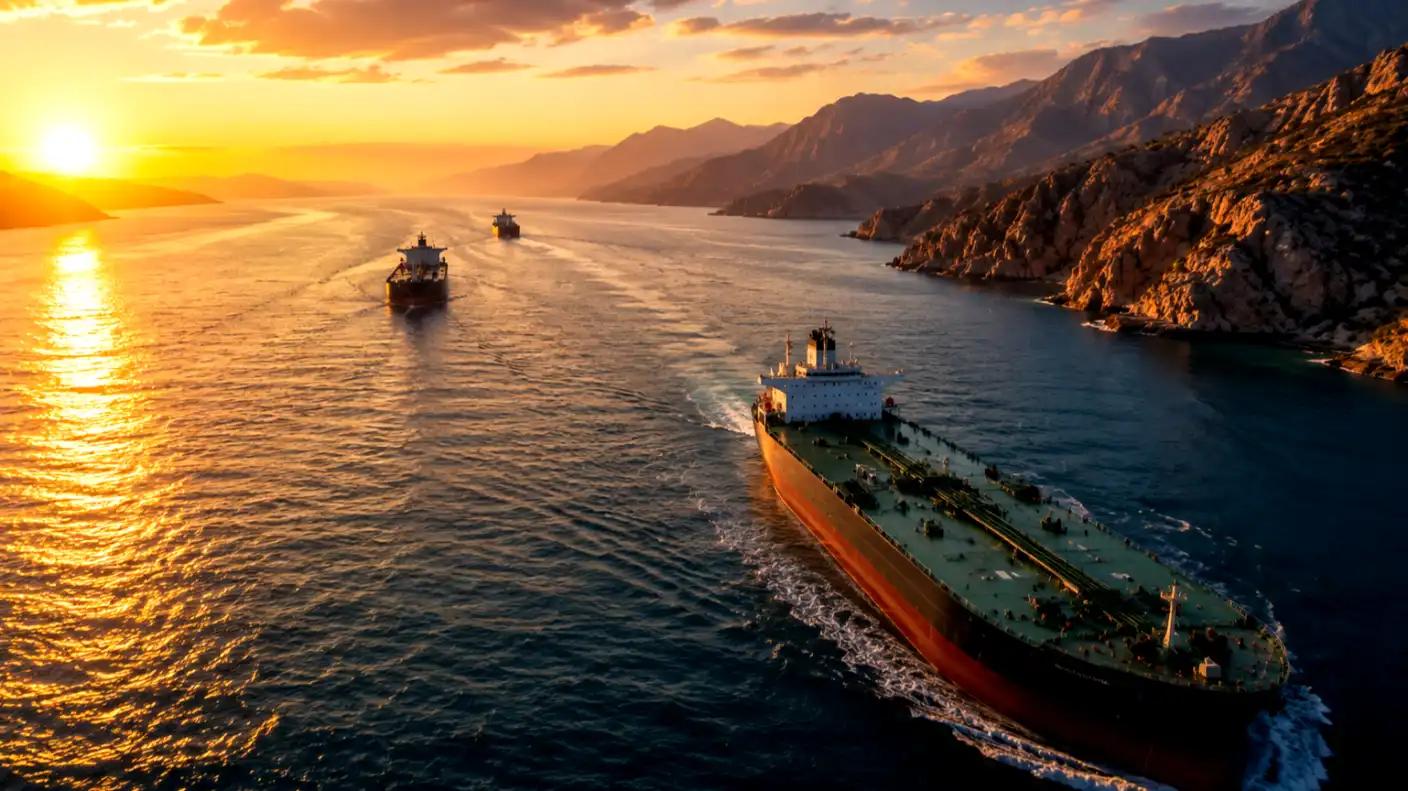
Iranian state television reported on Wednesday that the government could successfully reopen the critical Strait of Hormuz within exactly 1 month. However, this major move depends entirely on whether the United States agrees to Tehran’s strict terms in the ongoing peace negotiations. This surprising announcement offers a potential breakthrough to end the three-month-old war, which has devastated regional infrastructure and paralyzed global energy markets since early this year.
Diplomats from Pakistan and Qatar are currently working in Tehran to help fine-tune a 14-point Memorandum of Understanding (MoU) between the two warring nations. According to senior Iranian officials, the draft agreement outlines a 60-day ceasefire extension that would unfold in 3 distinct stages. The primary goal of this staged plan is to build mutual trust before tackling the highly controversial issue of Iran’s highly enriched uranium stockpile.
Under the second phase of the proposed agreement, Iran promises to completely reopen the Strait of Hormuz within a strict 30-day window. To make the shipping lane safe for international trade, the Iranian military must clear all the explosive sea mines it deployed during the peak of the fighting. In addition, the country must allow commercial cargo ships to transit the waterway freely, without paying the high transit tolls Tehran previously proposed.
In exchange for clearing the mines and opening the shipping lanes, the United States must pull back its own economic weapons. The draft deal requires the U.S. Navy to lift its strict blockade of all Iranian commercial ports fully. Additionally, the U.S. Treasury Department will issue limited, temporary sanctions waivers. These waivers will allow Iran to sell its crude oil freely to international buyers during the 60-day ceasefire, providing the cash-strapped nation with a desperate financial lifeline.
Reopening the Strait of Hormuz is the absolute top priority for global trade. Before the war began with joint American and Israeli airstrikes on February 28, this narrow channel handled roughly 20 percent of the total daily oil and gas supply for the entire world. The prolonged blockade has upended global energy markets and driven inflation in Europe and the US up by an extra 1.5 percent over the past two months. Economists estimate that the shipping closure has cost international businesses over $1.5 billion every single week.
The impact of the blockade on shipping has been absolutely devastating. Under normal peacetime conditions, between 125 and 140 commercial vessels safely crossed the strait every single day. Today, that massive flow of trade has shrunk to a tiny trickle of just 7 ships a day. Iranian state media reported that only 31 ships managed to pass through the strait over the last 24 hours, and those captains had to coordinate their movements directly with the Iranian navy.
President Donald Trump addressed the standoff on Wednesday, posting on Truth Social that a peace deal has been largely negotiated. However, he warned that his patience is running thin and that he expects a final answer by the end of the week. Trump plans to meet with his top national security team at Camp David to discuss whether to sign the agreement or order his generals to resume devastating airstrikes. He warned that if they do not reach a good deal, he will resume military action.
The war has exacted a massive financial toll on both sides. A senior Pentagon official recently revealed that the United States military has spent exactly $25 billion on the war since it first erupted. This represents the first official estimate of the military’s cost, which equals NASA’s entire annual budget. With 13 American troops killed and hundreds wounded, the public is increasingly souring on the conflict, dragging Trump’s approval rating down to a record low of 34 percent.
Despite the progress, the nuclear issue remains a major sticking point. Trump demands that any final treaty must force Iran to hand over its entire 400-kilogram enriched uranium stockpile to the United States to be destroyed. While Iran’s supreme leader, Mojtaba Khamenei, recently issued a strict directive forbidding any nuclear fuel from leaving the country, mediators hope a compromise can still be found during the 60-day truce.
Ultimately, the next few days will decide the fate of the Middle East. If both sides successfully sign the 14-point memorandum and reopen the shipping lanes within a month, it will stabilize global energy markets and lower gas prices almost instantly. It also creates a vital, peaceful window for both sides to negotiate a permanent end to the war. Investors and world leaders now watch the situation with extreme caution, hoping this temporary truce will finally lead to lasting peace.















