

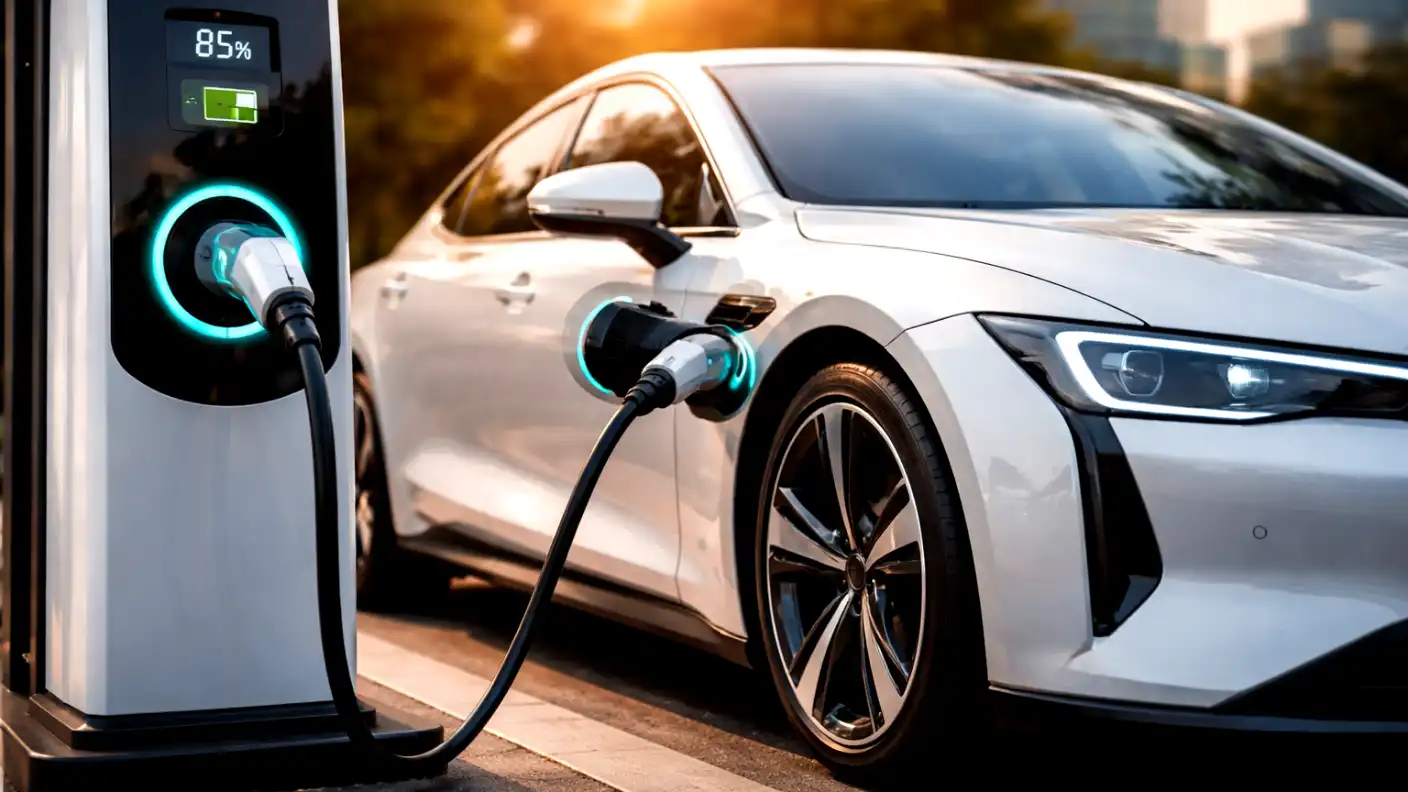
German drivers are buying electric vehicles at a record-breaking pace thanks to a newly reintroduced, socially targeted government subsidy. After the launch of a dedicated online portal in May, the government reported a massive surge in applications. This fresh wave of demand completely refutes older claims that electric vehicles are merely expensive luxury toys for the wealthy. Now, half of all new claims are coming directly from lower-income households.
The rapid transition is the direct result of a major policy shift. In October, the coalition government led by Chancellor Friedrich Merz agreed to reallocate exactly €3 billion from the national Climate and Transformation Fund and the EU Social Climate Fund to support electric mobility. The government expects this massive fund to subsidize roughly 800,000 new and leased vehicles through the year 2029, helping the country transition away from traditional petrol and diesel cars.
The program features a highly unique, tiered structure designed specifically to help lower-income families. Private households earning a taxable annual income of up to €80,000 can qualify, with the limit rising to €90,000 for families with children. While the base incentive for a fully electric car starts at €3,000, lower-income households with multiple children can claim up to €6,000 in direct government grants. The program also offers smaller rebates of up to €4,500 for certain fuel-efficient plug-in hybrid vehicles.
To prevent buyers from hesitating, the government made the program retroactive to January 1, 2026. This clever clause means anyone who registered a new electric vehicle since the start of the year can still claim the cash. The strategy has worked flawlessly. Since the application portal went live, exactly 9 out of 10 requests have been for fully electric vehicles. The sudden rush has triggered an unprecedented surge in monthly car registrations across the country.
The latest data from the Federal Motor Transport Authority highlights the massive scale of this transition. In March alone, battery-electric vehicle registrations surged by an incredible 66.2% year-on-year, reaching 70,700 units. This rapid growth lifted the total market share of electric vehicles in Germany to exactly 24%. Meanwhile, registrations of traditional gasoline and diesel vehicles dropped by 4.9% and 0.6%, respectively, proving that consumer demand is shifting permanently.
A brutal war in the Middle East has also helped drive this massive shift toward electric cars. The ongoing military conflict in Iran has blocked the vital Strait of Hormuz, causing European energy and gasoline prices to skyrocket. This energy crisis has driven up local transportation costs and pushed fuel inflation in Europe up by an extra 1.5%. Faced with expensive gas stations, German commuters are deciding to ditch their combustion engines to escape high daily running costs.
This massive sales boom represents a triumphant recovery for the German car industry. Back in December 2023, the government abruptly terminated its previous environmental bonus program due to severe budget constraints, causing EV sales to collapse throughout 2024. However, the new, socially targeted 2026 program has completely re-stimulated the market. The country’s total number of fully electric vehicles on the road recently crossed the major milestone of 2 million units.
While the current sales numbers look spectacular, Germany still faces a steep climb to meet its long-term goals. The government wants to have exactly 15 million electric vehicles on its roads by the year 2030. To reach this target, local car manufacturers must build more affordable, compact electric models. Industry experts warn that if car companies focus solely on building heavy, expensive SUVs, they will struggle to sustain this high-speed growth once the €3 billion government budget eventually runs out.
The program has received a mixed response from environmental groups and industry leaders. While car manufacturers praise the subsidies for providing critical financial planning security, some green activists argue that the program includes too many plug-in hybrids that still emit carbon dioxide in real-world driving. However, Environment Minister Carsten Schneider defended the initiative, stating that reducing the upfront cost barrier is the only way to help regular working-class families participate in the green energy transition while protecting the domestic auto industry.















