

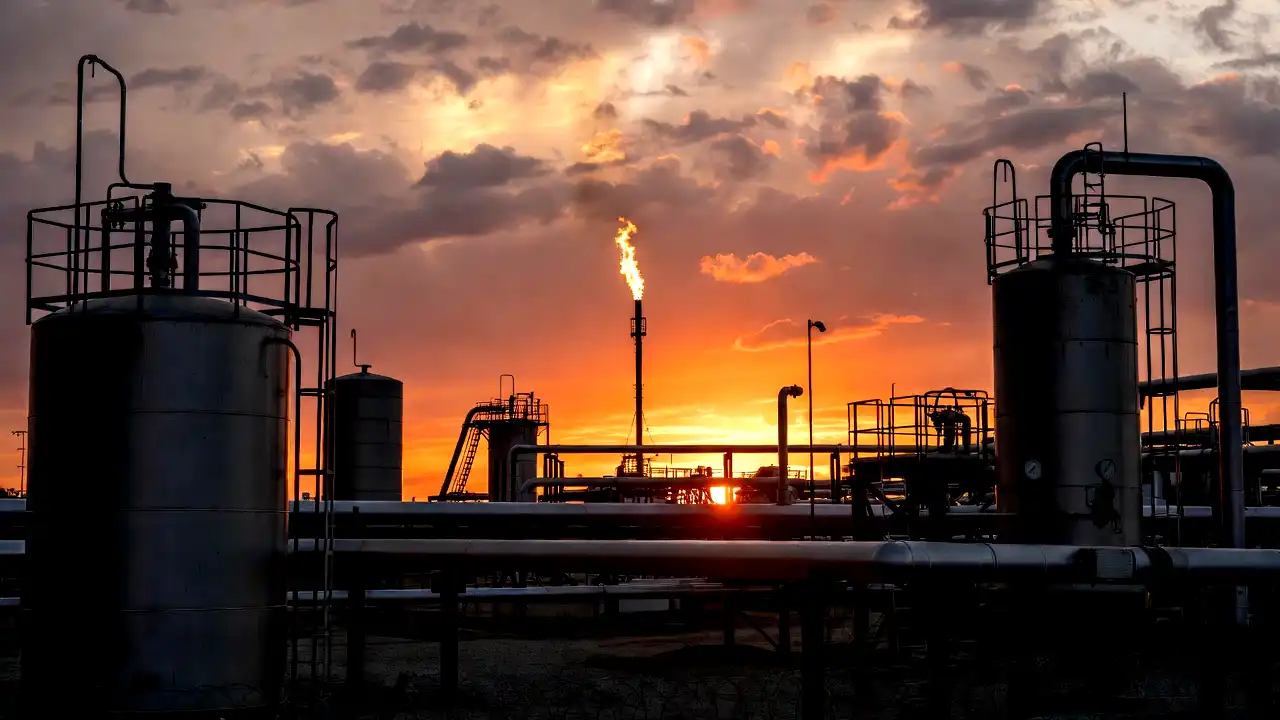
Norway, a nation famous for its ambitious green promises, is struggling to diversify its economy away from oil and gas. While the government spent years planning a smooth transition to renewable energy, the massive global energy crisis has forced the country to double down on fossil fuels. As a result, Norway continues to rake in record-breaking profits from its offshore oil fields while its green tech startups starve for talent and cash.
This persistent oil addiction stems directly from the chaotic geopolitical situation in the Middle East. The ongoing military conflict in Iran has blocked the vital Strait of Hormuz, cutting off roughly 20 percent of the world’s daily oil supply. This massive shipping bottleneck has driven international fuel inflation up by an extra 1.5% over the past two months. With global energy supply extremely tight, Brent crude currently trades above $111 per barrel, making Norway’s oil fields incredibly lucrative.
These high energy prices have supercharged Norway’s famous sovereign wealth fund, the Government Pension Fund Global. The massive fund, already the largest of its kind in the world, reached a staggering valuation of over $1.6 trillion. This wealth fund actively manages the country’s oil surpluses, investing them in foreign stocks and properties to secure the future of the nation’s 5.5 million citizens. However, this massive influx of cash makes it very difficult for the government to cut back on drilling.
This cash windfall has also created a major domestic economic crisis. The massive influx of oil money has driven Norway’s domestic inflation rate up to a painful 4.5 percent. To cool down this overheated economy, Norges Bank—the country’s central bank—has been forced to keep its benchmark interest rate at a 15-year high of 4.5 percent. These high interest rates have made borrowing incredibly expensive for local families and non-oil businesses alike. It has led to a major slowdown in the housing and retail sectors, as everyday shoppers have far less spare cash to spend.
Economists warn that Norway is falling straight into the classic “Dutch disease” trap. In this economic scenario, a massive boom in one natural resource sector artificially inflates the national currency and drives up local wages. Because the oil and gas sector offers exceptionally high salaries, it successfully drains the country of its best engineering, scientific, and technical talent. Smaller, non-oil sectors simply cannot afford to pay these inflated wages, causing them to shrink or go out of business entirely.
This talent drain has severely damaged Norway’s ambitious plans to build a modern green economy. Promising local startups in areas such as battery manufacturing, carbon capture technology, and offshore wind power have effectively ground to a halt. Investors are hesitant to spend millions of dollars on risky green technology when they can easily secure a guaranteed, high-return profit by investing in traditional oil and gas projects instead.
The structural data highlights the country’s extreme dependence on fossil fuels. Statistics Norway recently released a report showing that oil and gas now account for over 50 percent of the nation’s total exports. The high-tech and manufacturing sectors, by contrast, make up less than 10 percent of the country’s outbound trade, representing an incredible imbalance. This massive dependence means that if global energy prices ever crash, the entire Norwegian economy could suffer a devastating slowdown.
Prime Minister Jonas Gahr Støre faces intense political pressure from both sides of the aisle. Environmental groups demand that his government set a strict end date for oil exploration and divert more state-backed funds to green energy. Meanwhile, industrial labor unions and business leaders argue that cutting back on a highly profitable, multi-billion-dollar sector during a global energy crisis makes zero economic sense. The government spent over $1 billion subsidizing local households’ electricity bills last year, and it relies heavily on oil taxes to fund these social welfare programs.
Ultimately, Norway’s struggle to diversify its economy proves that breaking a nation’s addiction to fossil fuels is incredibly difficult, especially when those fuels are making the country richer than ever before. As the war in the Middle East keeps oil prices high, the country will likely continue drilling. Until the government can find a way to make green technology commercially competitive with oil, Norway’s dream of a climate-neutral economy will remain stuck on the drawing board.















