
Qatar proposed a major financial compromise on Saturday to break the tense diplomatic deadlock between the United States and Iran. Qatari negotiators, currently working in Tehran, announced that they are open to allowing temporary shipping tolls inside the Strait of Hormuz. However, the Gulf nation strongly opposes any permanent fees, presenting this middle ground as the ultimate key to finalizing a 60-day ceasefire agreement.
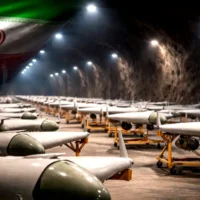
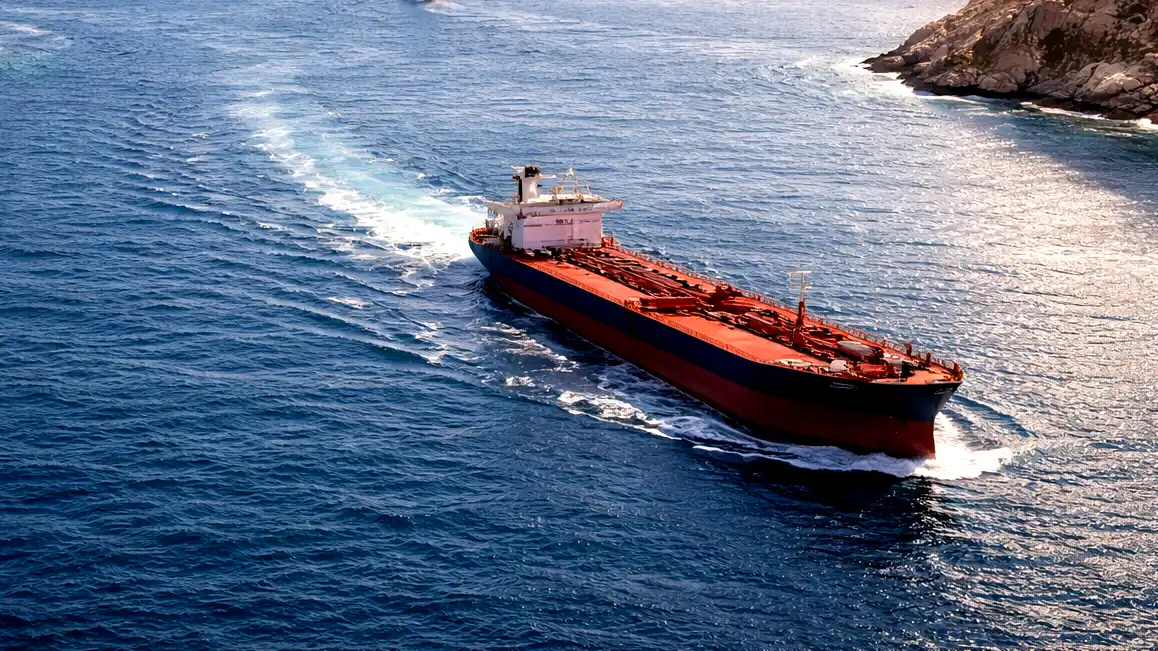
The high-stakes diplomatic talks have been stuck in a complete stalemate all week. While the two rival nations are close to signing a 14-point Memorandum of Understanding to end their three-month-old war, the issue of transit fees has become a massive roadblock. Iran insists on its sovereign right to charge all commercial vessels a permanent fee to pass through the waterway, which its military forces currently control.
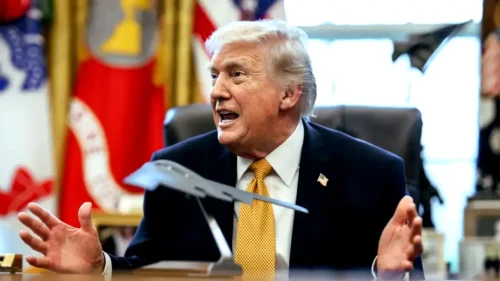
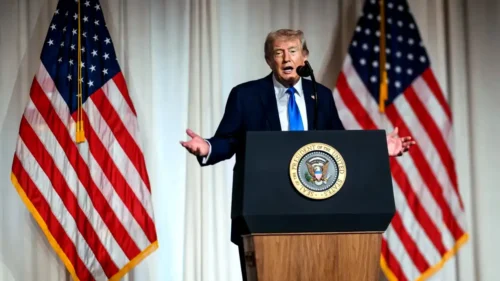
The United States government has flatly rejected Iran’s toll demands. President Donald Trump and Secretary of State Marco Rubio have repeatedly warned that the Strait of Hormuz is an international waterway and must remain completely open and free of any illegal fees. Rubio warned that if Iran continues to demand permanent tolls, it will make a diplomatic peace deal completely unfeasible, raising the risk that the U.S. military will resume its devastating bombing campaign. Trump warned that the ceasefire currently sits on massive life support and told the Iranian leadership they better get smart fast.
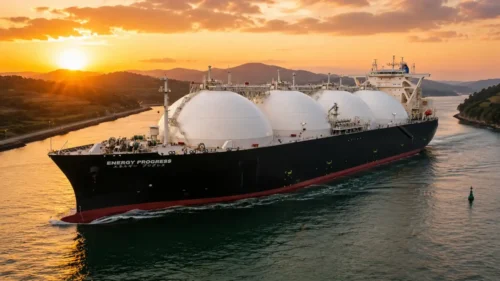
To save the peace process from collapsing, Qatar suggested a creative “temporary toll” system. Under this compromise, commercial shipping companies would pay a small, strictly time-limited fee only during the 60-day ceasefire period. The government would use 100 percent of this cash to fund the expensive and dangerous operations needed to clear the water of explosive sea mines. It would also help pay for the multinational naval escort services required to guide commercial vessels safely through the channel.
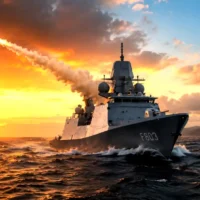
Clearing the mines is a massive and dangerous task. Iran has deployed its Ghadir-class midget submarines to act as an invisible guardian of the strait, and the military has laid hundreds of explosive sea mines in the deep water since the war began on February 28. To make the shipping lane safe again, specialized minehunters and sweepers must spend weeks scanning the seabed, a dangerous operation that will cost global taxpayers millions of dollars.
Reopening the Strait of Hormuz is the absolute top priority for the global economy. Before the war began with joint American and Israeli airstrikes on February 28, this narrow channel handled roughly 20 percent of the total daily oil and gas supply for the entire world. The prolonged blockade has upended global energy markets and driven inflation in Europe and the US up by an extra 1.5% over the past two months. Economists estimate that the shipping closure has cost international businesses over $1.5 billion every single week.
The persistent shipping bottleneck has sent global fuel prices out of control, pushing Brent crude oil futures to roughly $111 a barrel. This energy crisis has pushed gasoline prices in the United States to a painful national average of $4.52 a gallon. This cost-of-living crisis has dragged Trump’s public approval rating down to a record low of 34% ahead of the crucial November midterm elections, forcing the White House to push for a rapid resolution.
Qatar is working hand in hand with Pakistan to push this compromise through. Pakistan’s powerful army chief, Field Marshal Asim Munir, just concluded a highly productive, short visit to Tehran, where he held intensive 24-hour talks with Iran’s top civil and military leaders. The mediators hope that this temporary toll compromise will satisfy both Trump’s demand for free trade and Iran’s demand for financial compensation, allowing both sides to sign the 14-point memorandum. The entire global shipping sector has lost over $10 billion since the war began, and business leaders are begging the mediators to find a way out of the crisis.
Ultimately, the next few days will determine the fate of the Middle East. President Trump is scheduled to meet with his national security team at Camp David to review the final details of the 60-day ceasefire agreement. If both sides accept Qatar’s temporary toll compromise and sign the paperwork, it will stabilize global energy markets, lower gas prices almost instantly, and prevent a massive regional war. If they fail, the ceasefire will collapse, and the US military stands fully ready to resume its devastating bombing campaigns.