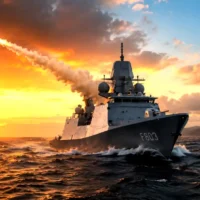

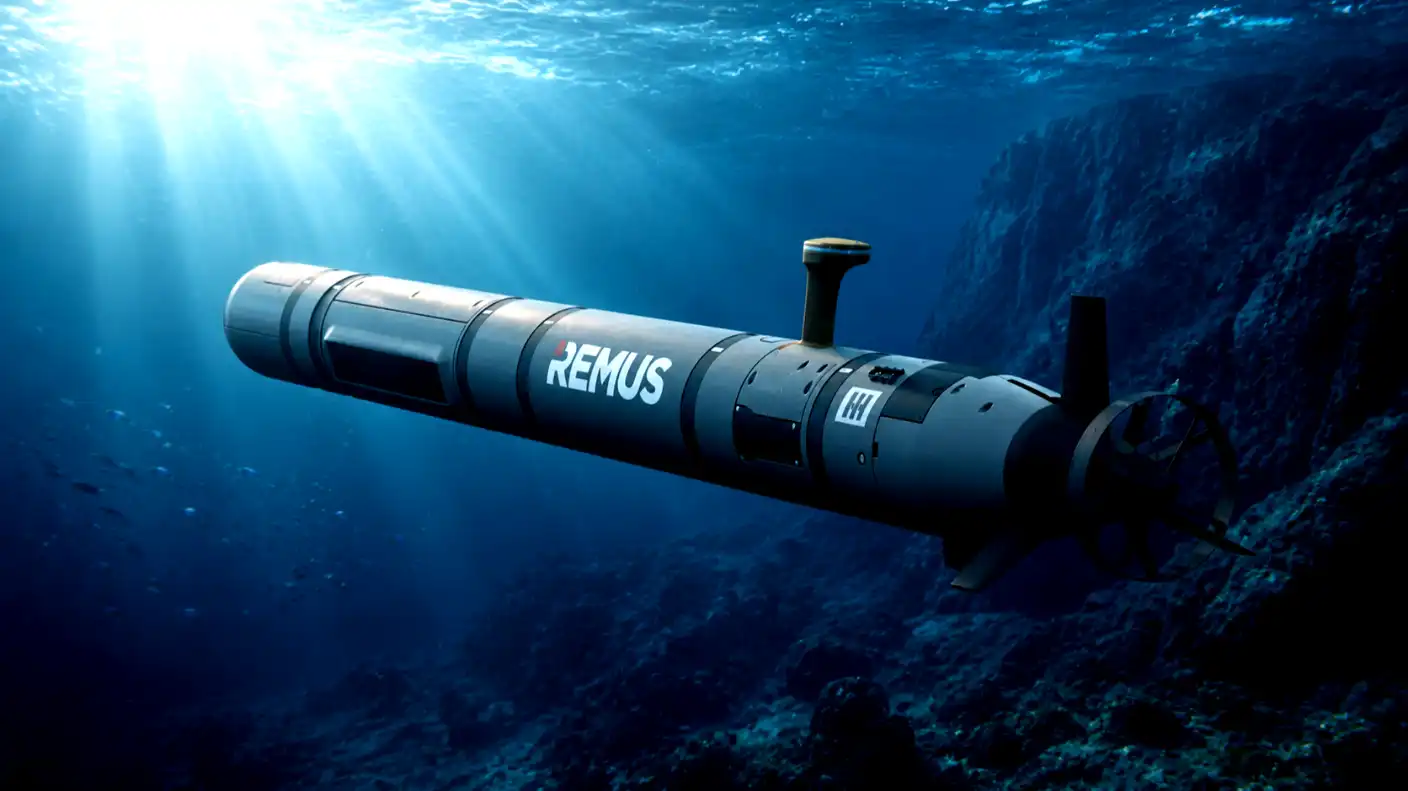
On Saturday, May 30, 2026, defense chiefs from the United States, United Kingdom, and Australia officially joined forces to create highly advanced underwater drone technology. During the Shangri-La Dialogue security summit in Singapore, the three nations cemented a historic agreement to co-develop new capabilities for unmanned undersea vehicles. This initiative marks the first major project to go public under the alliance’s highly anticipated Pillar Two framework, which prioritizes cutting-edge innovations like artificial intelligence, quantum computing, and hypersonics.
For several years, critics argued that the trilateral security pact, formed in 2021, moved far too slowly. The first phase, Pillar One, focused on long-term goals such as providing Australia with conventionally armed, nuclear-powered submarines. However, this newly announced underwater drone project represents a major shift toward rapid, near-term deployment. Leaders from all three countries emphasized their desire to transition away from high-level planning and move quickly to putting physical assets in the water.
British Defense Secretary John Healey addressed these previous delays directly during the summit, stating that the alliance has talked too much and delivered too little in the past. To prove the British government’s commitment to changing this narrative, Healey announced that the UK will invest £150 million, equivalent to about $201 million, directly into this joint underwater drone initiative. This funding will help accelerate research, design, and manufacturing processes, ensuring that allied forces receive new technologies as quickly as possible.
Instead of building a single, uniform submarine from scratch, the three allies plan to design a suite of highly adaptable, multi-mission payloads. These payloads will include advanced sensors, communications equipment, and weapons systems that operators can install across different models of uncrewed undersea vehicles. According to US Secretary of Defense Pete Hegseth, the first deliveries of these cutting-edge components will begin in 2027. This approach allows each nation to upgrade its existing naval fleets without waiting decades for a completely new class of ship.
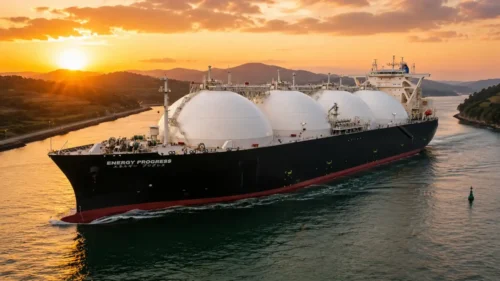
A primary objective of the new drone project is to protect critical seabed infrastructure. Today, more than 95% of global internet traffic and massive amounts of energy travel through a vulnerable network of underwater cables and pipelines. In recent months, suspicious incidents involving damaged infrastructure in European and Asian waters have raised alarms in Western capitals. Officials suspect that vessels linked to adversarial nations are intentionally targeting these communication links, making a strong undersea defense system highly urgent.
The partnership is also a direct response to rising geopolitical tensions in the Indo-Pacific region. Washington has repeatedly raised concerns about China’s rapid naval expansion and its growing undersea activities. US Secretary of Defense Pete Hegseth has consistently sounded the alarm regarding this military buildup, urging allies to increase their defense spending. By pooling resources and sharing technical secrets, the three AUKUS nations hope to maintain a strong military edge and deter aggressive actions in contested waters.
The newly developed unmanned systems will significantly expand the reconnaissance and strike capabilities of allied navies. These systems will also strengthen operations in anti-submarine warfare, mine countermeasures, electronic warfare, and littoral maneuvers close to shorelines. Modern computer algorithms and artificial intelligence will help the drones process data directly on board, allowing them to distinguish between real threats—such as hostile submarines—and harmless marine life or civilian fishing vessels.
Ultimately, the joint undersea drone initiative shows how modern warfare is rapidly moving beneath the waves. By focusing on rapid execution and cost-effective autonomous platforms, the United States, Great Britain, and Australia are preparing for a new era of maritime security. While building manned nuclear submarines remains a long-term goal, these adaptable underwater drones will provide a vital defense layer in the near future. This historic agreement proves that when it comes to defending critical oceans and communication links, cooperation and speed are the ultimate tools.