

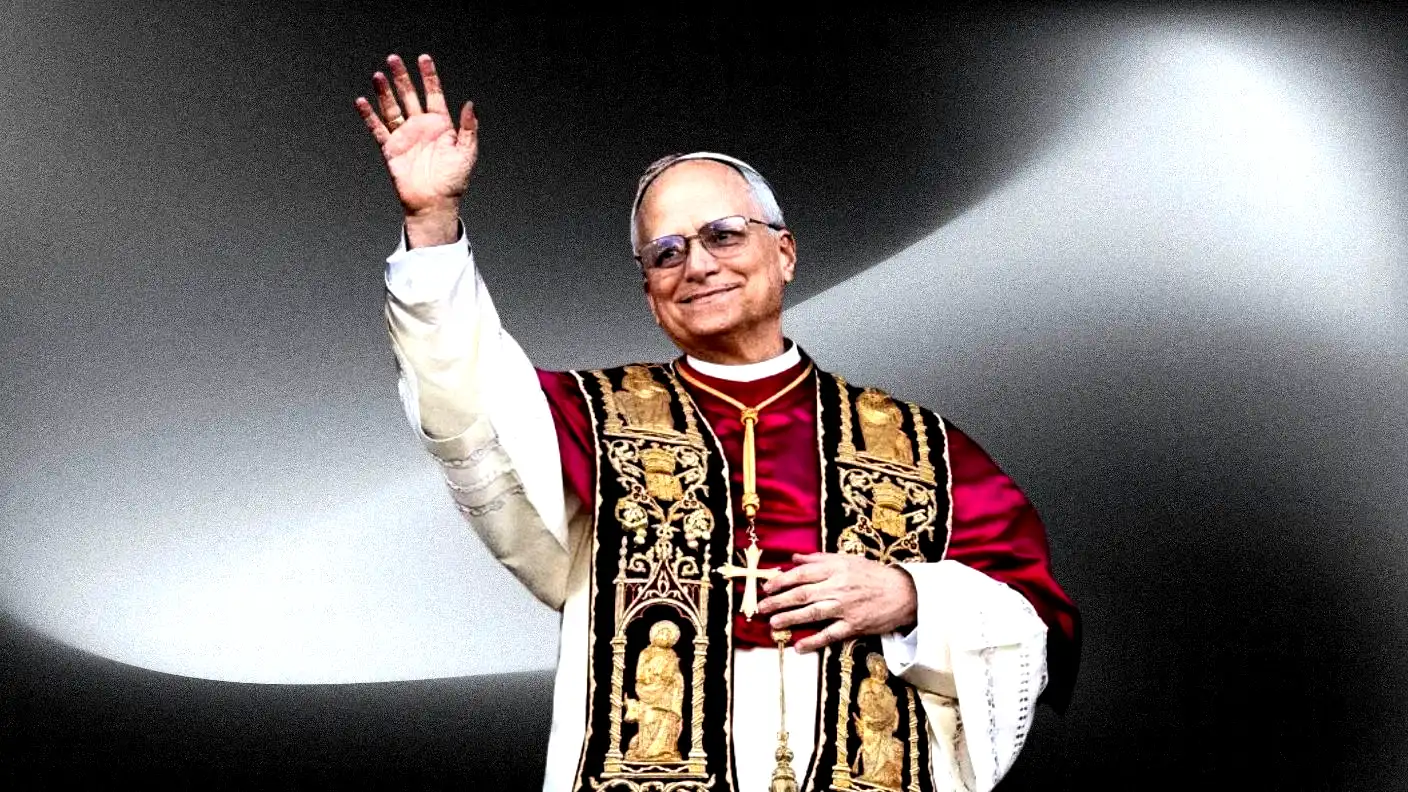
Pope Leo XIV’s historic first encyclical on artificial intelligence has sparked a fierce debate across the globe, but critics on both sides are completely misinterpreting the Pope’s message. Titled Magnifica Humanitas (“Magnificent Humanity”), the massive 42,300-word document has placed the Catholic Church at the center of the most consequential technological and political argument of our age. While some critics dismiss his writing as outdated, and others accuse him of promoting heavy-handed state control, a closer look shows that the Pope’s warning is actually a powerful defense of human freedom against both tech monopolists and government bureaucrats.
The Wall Street Journal released its highly anticipated editorial response to the Pope’s manifesto, offering a mix of praise and sharp skepticism. The editorial board warmly welcomed the Pope’s strong defense of human agency, agreeing that as artificial intelligence develops, the world desperately needs an ethical rudder to keep the technology safe. However, the Journal’s editors pushed back strongly against the Pope’s proposed solutions, arguing that his faith in a beneficent state is deeply misplaced. They warned that trusting government bureaucracies to regulate AI is just as dangerous as leaving the technology in the hands of a few private monopolists.
The massive papal letter, which comprises over 105 pages in its original Italian, also faced heavy criticism from the technology sector. Some tech writers complained that the document read like a basic AI ethics paper from several years ago, focusing too much on minor issues such as data bias, water use, labor rights, and data sovereignty. These critics argued that a landmark 2026 encyclical should have confronted the much larger existential question more directly: what actually happens to human beings if we are no longer the most capable intelligence on Earth?
Supporters of the Pope argue that these critics completely misunderstand the core of his theological message. Instead of speculating about machine sentience or future superintelligence, the Pope shifts the conversation back from machine personhood to human personhood. He argues that AI is already a deeply theological issue because the technology is rapidly reorganizing the exact conditions under which human beings are judged, employed, governed, and valued. The Pope wants to protect human judgment and responsibility from being replaced by predictive computer algorithms.
In a particularly powerful and elegant section of the text, Pope Leo XIV compared the current, headlong rush to build advanced artificial intelligence to the biblical story of the Tower of Babel. In that ancient scripture, humans tried to build a massive tower to reach heaven, only to end up in complete confusion and division. The Pope warned that modern tech executives risk making the same mistake by treating AI like a new god. He emphasized that computers completely lack a human soul, and we must never allow automated systems to replace human connection and moral choice.
The Pope also expressed his most chilling concerns regarding the military applications of artificial intelligence. He warned that automating warfare will make it much easier for countries to launch devastating, impersonal attacks. To prevent this, the encyclical calls on global leaders to actively disarm the technology and establish strict rules to ensure AI never becomes an instrument of domination, exclusion, or death. However, military analysts remain skeptical, noting that countries currently locked in conflicts cannot afford to halt investment in AI weapons without putting themselves at a severe strategic disadvantage.
The Pope timed the release of Magnifica Humanitas on Pentecost Monday to coincide with the 135th anniversary of Pope Leo XIII’s landmark Rerum Novarum of 1891. That historic papal letter served as the Church’s first major response to the massive upheavals of the industrial revolution, defending the rights of working-class people against exploitative factory owners. By positioning his new encyclical as a direct successor to that legacy, Pope Leo XIV situates artificial intelligence as the defining “new thing” of our era, representing a massive threat to the relationship between human labor and capital.
The financial and political scale of this technology race explains why the debate has become so intense. The global artificial intelligence market recently topped $638 billion, and economists predict it will grow by over 15 percent every single year. A complete failure to regulate this technology safely could cut global economic output by 1.5% over the next decade. This massive wealth explains why tech companies spend billions of dollars on research, and why the Pope believes the world needs a strong moral shield to prevent these companies from placing profits over human well-being.
Ultimately, Magnifica Humanitas is a vital wake-up call for a fast-moving world. The Pope is not asking the world to stop building computers or to abandon technological progress. Instead, he wants to make sure that humanity remains the master of its own creations. As the AI arms race continues to accelerate, the moral guidelines laid out by the Pope will likely serve as a crucial reference point for leaders trying to keep the technology safe, humane, and useful for everyone.















