

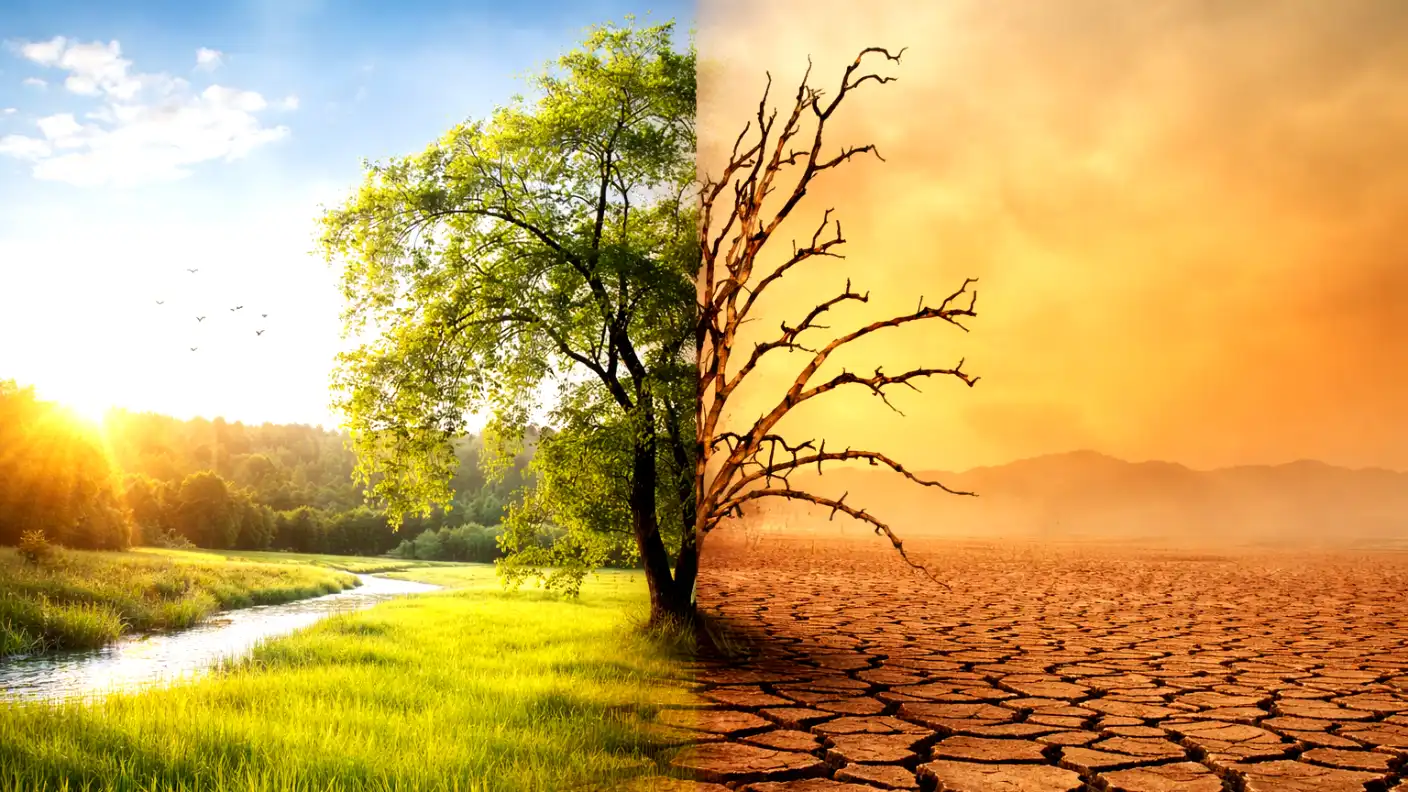
A rare and extremely dangerous climate pattern is rapidly forming in the Pacific Ocean, threatening to upend global weather and wreak havoc on the world’s food supply. Climate scientists and major weather agencies issued a series of warnings on Sunday, confirming that a record-breaking Super El Niño is increasingly likely to emerge in late 2026. This rare warming of the sea surface will supercharge global temperatures, triggering severe droughts, heavy floods, and wildfires across multiple continents.
The scale of this upcoming weather pattern has deeply alarmed meteorologists. In its latest forecast, the Climate Prediction Center estimated a 1 in 3 chance of a very strong or “super” El Niño developing between October and December. While a normal El Niño warms the tropical eastern Pacific Ocean by 0.5 degrees Celsius above average, a super El Niño occurs when those water temperatures spike by at least 2 degrees Celsius. The last time the planet experienced a weather anomaly of this magnitude was in 1876 and 1877, when a catastrophic global famine killed millions of people.
The extreme weather will hit major agricultural regions first, cutting down crop yields and driving up global food costs. The warming waters in the Pacific will likely unleash severe droughts and wildfires across Australia, Indonesia, and northern South America. Brazil, one of the world’s most important food exporters, faces a high risk of catastrophic drought, which could permanently damage the Amazon rainforest and ruin massive sugarcane and coffee crops.
While some countries burn, others will drown. As the supercharged climate pattern alters atmospheric circulation, it will dump massive, historic rainfall on the western coast of South America. Weather experts predict devastating floods and mudslides will wipe out entire farming communities and critical infrastructure in Peru and Ecuador. This extreme weather divide—drought in the west and floods in the east—makes it almost impossible for global supply chains to adapt.
To make matters worse, this incoming climate threat arrives in the middle of a massive global energy and geopolitical crisis. The ongoing war in the Middle East has blocked the vital Strait of Hormuz, stopping critical fuel and fertilizer shipments from reaching Asian farmers. This supply bottleneck has driven global transport and manufacturing costs up significantly, raising international inflation by an extra 1.5% over the past two months. Local food prices are getting squeezed from both sides: by climate extremes that ruin harvests and by a food system still heavily hooked on expensive fossil fuels.
The triple threat of war, fertilizer shortages, and El Niño fears has already sent shockwaves through Asian commodity markets. In May, Asian benchmark Thai white rice prices surged by a massive 20 percent on the open market. This represents the single largest monthly price jump since 2008. Since rice is the primary staple for over 3 billion people, this sudden price hike threatens millions of low-income families with severe food insecurity, forcing governments to spend over $1 billion on emergency subsidies to prevent starvation.
Historians and climate researchers are looking back to the horrific 1877 event to understand what could happen next. During that historic Super El Niño, the Indian monsoon system collapsed for two consecutive years, causing complete crop failure across South Asia. Nearly 58 million people ran out of food entirely. Eventually, between 5 and 10 million people lost their lives to starvation and disease, representing a massive tragedy that wiped out nearly 3 percent of the world’s population.
While modern technology has improved farming techniques, our globalized food system is actually more vulnerable to shocks than in the past. Today’s global population of 8.3 billion is far above what ecosystems can sustainably support in the long term without exhausting resources. If major breadbaskets in South America and Southeast Asia fail simultaneously, the world will have no emergency reserves to fall back on. Chris Jaccarini, an analyst at the Energy and Climate Intelligence Unit, warned that 2026 is shaping up to be a highly challenging year for agriculture, and food will become far less affordable for everyone.
Ultimately, the warm patch of water in the Pacific continues to grow rapidly. Governments must act with extreme urgency, building up food reserves and helping farmers invest in drought-resistant crops before the worst of the weather arrives this winter. If world leaders ignore these clear scientific warnings and choose to continue their geopolitical wars, the coming combination of climate extremes and broken supply chains will unleash an unprecedented humanitarian disaster across the globe.















