

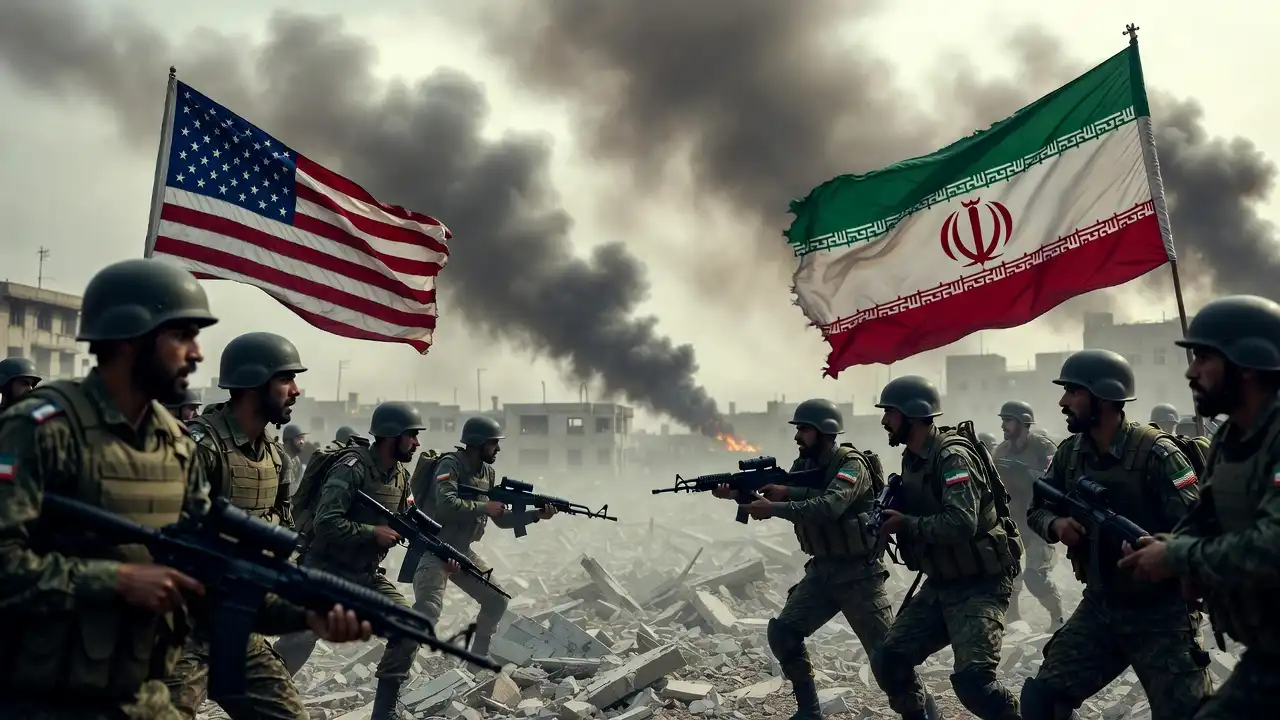
Diplomatic efforts to end the ongoing military conflict between the United States and Iran have hit a major roadblock. On Monday, June 1, 2026, Iran’s Foreign Ministry blamed the sluggish pace of regional peace negotiations on a profound lack of trust, conflicting signals from Washington, and relentless Israeli airstrikes in Lebanon. Speaking during a weekly press briefing in Tehran, Iranian Foreign Ministry Spokesperson Esmaeil Baghaei explained that the entire negotiation process remains overshadowed by deep-seated suspicion. He warned that progress is impossible as long as the U.S. and its regional allies continue to alter their demands while executing parallel military operations in neighboring territories.
The core obstacle to finalizing an agreement lies in the inconsistent messaging originating from the American administration. Baghaei pointed out that the U.S. frequently shifts its official positions, introducing fresh and contradictory demands just as negotiations show signs of progress. He argued that if these fluctuating signals are part of a calculated negotiating tactic, Washington is making a serious mistake, as such strategies will not work against Tehran. Alternatively, if the conflicting statements reflect internal disarray within the U.S. administration, Baghaei urged Washington to resolve its internal disputes and establish a unified, definitive position as quickly as possible to avoid prolonging the stalemate.
Tehran is also taking a firm stance on regional security, linking any potential deal with the United States directly to the situation in Lebanon. Baghaei emphasized that Iran views Israeli military actions across the Middle East as inseparable from broader U.S. foreign policy, given Washington’s extensive financial and military backing of Tel Aviv. Consequently, Iran is demanding that any comprehensive agreement to end the U.S.-Iran conflict must include the immediate implementation and enforcement of a ceasefire in Lebanon. This firm linkage complicates the negotiation process, as the United States currently supports continued Israeli military pressure against Hezbollah forces to prevent future threats.
This diplomatic insistence on a Lebanese ceasefire follows a major military escalation over the weekend. Israeli Prime Minister Benjamin Netanyahu recently ordered his country’s armed forces to resume intensive strikes against Hezbollah targets in Beirut’s southern suburbs, a heavily populated district known as Dahiyeh. These strikes have displaced thousands of civilians, further raising the stakes of the conflict. By continuing to bomb Dahiyeh and other areas in Lebanon, Israel is actively delaying regional stabilization, according to Iranian officials. Tehran maintains that Washington bears ultimate responsibility for these bombings because the U.S. continues to supply the weapons and political cover necessary for Israel’s military campaign.
Beyond the situation in Lebanon, direct military skirmishes between the U.S. and Iran are actively eroding what little trust remains between the two nations. Baghaei accused the United States of directly violating the existing temporary ceasefire by launching airstrikes against Iranian radar installations and drone command centers over the weekend. These U.S. strikes, which hit locations in Goruk and on Qeshm Island, followed an incident where Iran allegedly shot down an American MQ-1 drone. Baghaei argued that these aggressive U.S. operations justify reciprocal defensive actions from Iran under the international principle of self-defense, further proving that the regional security landscape remains highly fragile.
Despite the ongoing exchanges of messages through third-party intermediaries, Baghaei confirmed that the two sides have not yet discussed the finer details of the nuclear file. Instead, Tehran is prioritizing its core economic demands, which center on the immediate release of its multi-billion-dollar frozen funds held in international banks. Iran wants guarantees that these assets will be unlocked and that international sanctions will be eased before it agrees to any long-term limitations on its scientific or defense programs. This economic demand remains a non-negotiable threshold for Iranian leaders, who feel they are negotiating from a position of strength.
While Iran downplays nuclear discussions, U.S. President Donald Trump has offered a highly different perspective on the proposed deal. Over the weekend, Trump used his social media platform, Truth Social, to argue that the draft agreement very clearly prevents Iran from acquiring a nuclear weapon, defending the framework against conservative critics who claim the administration is being too soft on Tehran. Trump told his followers to sit back and relax, claiming that the regional conflict would work out well. However, Iranian news agency Tasnim reported that Tehran has already rejected several changes proposed by Trump and intends to submit its own significant amendments to the draft memorandum of understanding.
To understand the gravity of the current deadlock, one must look back at the origins of this regional war. Tensions exploded into a direct, multi-front military conflict in February 2026, when the U.S. and Israel launched massive, coordinated strikes against Iranian targets. Iran responded by attacking Western military bases and U.S. allies in the Gulf, while also deploying forces to disrupt shipping lanes in the vital Strait of Hormuz. Although a temporary ceasefire brokered by Pakistan took effect on April 8, subsequent peace talks in Islamabad failed to secure a permanent treaty. Since then, the two sides have remained locked in a tense cycle of military exchanges and slow-moving diplomatic proposals.
The continued failure of diplomacy in the Middle East has severe, far-reaching economic implications. The Strait of Hormuz acts as a lifeline for global energy, with roughly 20% of the world’s daily oil supply navigating its waters. The ongoing conflict has already forced major regional facilities to declare contract halts, causing severe fuel and natural gas shortages in parts of Europe and Asia. Financial analysts warn that if U.S.-Iran negotiations collapse entirely and the war intensifies, global oil prices could easily spike, heavily impacting consumer prices and driving up global inflation.
Ultimately, the latest statements from Tehran show that a quick diplomatic resolution to the U.S.-Iran conflict remains unlikely. With both militaries on hair-trigger alert, the peace process is moving at a snail’s pace. Until the United States presents a unified, consistent negotiating position and until the parties address the ongoing violence in Lebanon, the Middle East will remain on the brink of a much larger, catastrophic war. The coming weeks will prove critical as intermediaries attempt to salvage the draft agreement and prevent a complete breakdown in communication between Washington and Tehran.















