

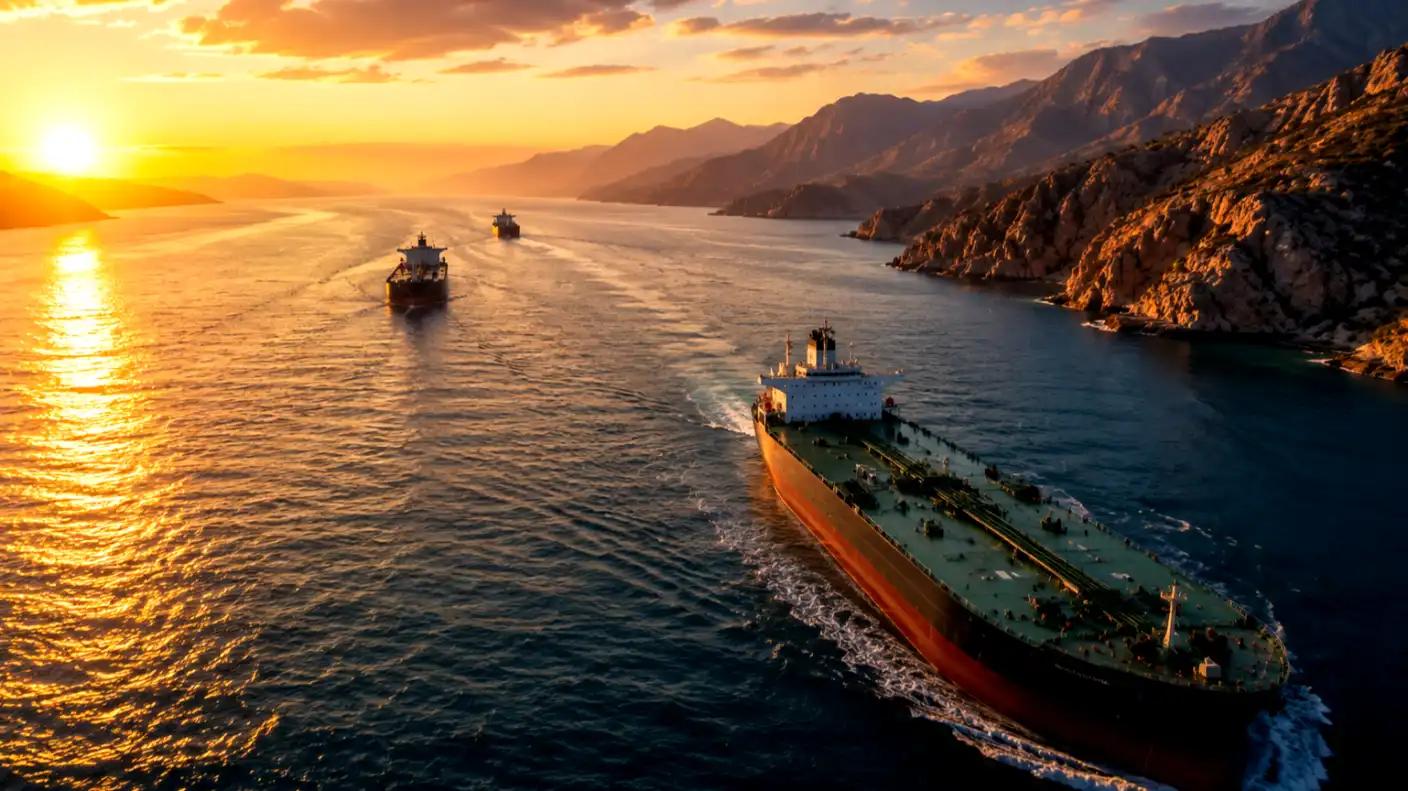
Global energy markets have surged into high volatility as hopes for a swift resolution to the conflict in the Middle East begin to dissolve. On Monday, June 1, 2026, global benchmark crude oil prices recorded substantial gains, clawing back almost all of the declines seen during the previous week. This sudden rally reflects deep investor anxiety over the lack of progress on reopening the Strait of Hormuz. As direct clashes between the United States and Iran resume and the broader conflict enters its fourth month, shipping companies and commodity traders are adjusting to the reality that one of the world’s most critical maritime choke points will remain heavily restricted for the foreseeable future.
The scale of Monday’s price surge illustrates the high stakes for the global economy. Brent crude oil futures jumped by 4.52% during the trading session, settling at $95.24 a barrel, while U.S. West Texas Intermediate (WTI) futures vaulted upward by 5.79% to end near $92.42 a barrel. The commodity rally did not stop at oil; European benchmark natural gas futures spiked by 6.7% to reach €49.07 per megawatt-hour. In contrast, gold futures slipped by 2.1% to $4,496.70 a troy ounce, as rising yields and a stronger dollar dented the precious metal’s appeal. Copper futures also gained, rising 1.6% to $13,832 per metric ton, signaling broad-based volatility in commodity markets.
This sudden reversal in market sentiment stems directly from fresh hostilities on the ground. Over the weekend of May 30-31, 2026, the United States and Iran exchanged heavy military strikes. U.S. Central Command confirmed that American warplanes targeted Iranian radar installations and drone launch sites in southern Iran. At the same time, Iran-backed forces retaliated with missile strikes targeting a base in neighboring Kuwait. At the same time, Israeli forces pushed deeper into Lebanon, capturing the strategic high ground around a historic Crusader castle. This sharp expansion of the land offensive has further complicated diplomatic efforts, as Tehran has repeatedly insisted that halting the fighting in Lebanon remains a core condition for any final peace agreement.
Bilateral negotiations are moving at a snail’s pace, primarily due to a significant toughening of positions in Washington. Speaking to Fox News on Saturday night, U.S. President Donald Trump warned that while the two nations are close to a deal, he remains fully prepared to resume major military operations if negotiations fail. Trump stated that the United States is slowly but surely getting what it wants from Tehran, but added that if Washington does not secure its core objectives, the administration will resolve the conflict in a completely different way. According to diplomatic sources, Trump has personally revised the draft framework, insisting on more stringent language regarding Iran’s nuclear commitments and its pledge to allow free passage through the shipping lanes.
Even if U.S. and Iranian negotiators successfully sign a temporary 60-day memorandum of understanding, industry analysts warn that shipping lanes will not recover overnight. Maritime experts are currently warning of a “Hormuz Hangover”—a term describing the lingering economic and logistical damage caused by the prolonged military blockade. The Strait of Hormuz normally handles approximately 15 million barrels of oil daily, representing roughly 20% of the world’s crude oil exports and one-fifth of its global jet fuel supplies. Restoring this massive flow requires physical mine sweeping, vessel inspections, and a massive redeployment of idle tankers, a process that maritime insurers estimate could take many months to complete.
Furthermore, many commercial shipping companies are expressing severe reluctance to send their high-value vessels back into the Persian Gulf even under a signed peace treaty. Shippers remain highly skeptical that any temporary truce will hold, fearing that a sudden resumption of hostilities could trap their multi-million dollar tankers inside the Gulf. Financial analysts compare the current situation to the early 2024 crisis in the Red Sea, where commercial ship traffic plummeted due to Houthi attacks and remained severely depressed for over a year, even after military coalitions attempted to secure the region. Analysts expect high insurance risk premiums to remain embedded in maritime freight rates, keeping overall shipping costs elevated.
With Middle Eastern oil supplies blocked, global refiners are turning aggressively to alternative sources, driving U.S. crude exports to historic heights. Data for May 2026 show that U.S. crude exports hit a record high of 5.6 million barrels per day, a massive increase driven by intense demand from Asian and European refiners desperate to secure replacement barrels. This surge in American exports has provided a critical safety valve for the global energy market, preventing the absolute supply shortages that many feared in the early weeks of the war. However, this high level of demand has kept global inventories tight, keeping upward pressure on prices.
This tight supply situation is placing immense political pressure on Washington’s European allies, who are bearing the brunt of soaring energy costs. French President Emmanuel Macron publicly called for an immediate and unconditional reopening of the Strait of Hormuz in accordance with international maritime law, stating that France stands ready to deploy naval forces to help secure commercial traffic. European leaders are deeply concerned that prolonged energy market inflation will drag down their industrial productivity and drive up domestic inflation, complicating their monetary policies. Consequently, European diplomats are actively urging both the United States and Iran to finalize the 60-day interim deal as quickly as possible.
As the Iran war enters its fourth month, the international community remains caught between hopes for a diplomatic breakthrough and the reality of ongoing military escalation. The successful completion of a peace agreement requires hard compromises on both sides, with negotiators trying to balance Iran’s demands for sanctions relief against Washington’s demands for strict nuclear and maritime security guarantees. Until both sides can find a common path, the Strait of Hormuz will remain the world’s most dangerous economic flashpoint. For energy markets and global consumers, the road to recovery appears long and uncertain, as a single miscalculation on the water could easily spark a wider regional war.















