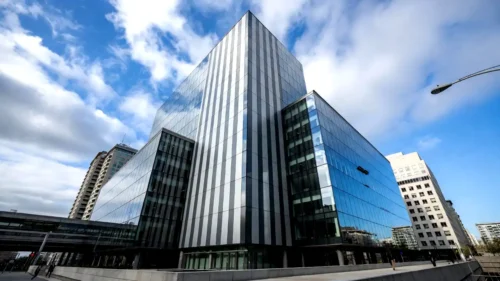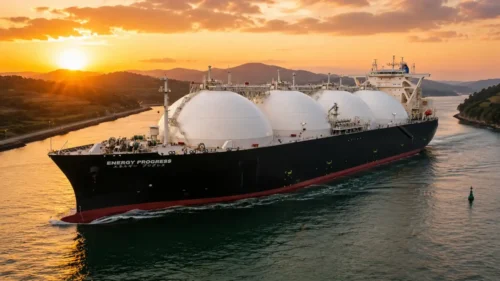

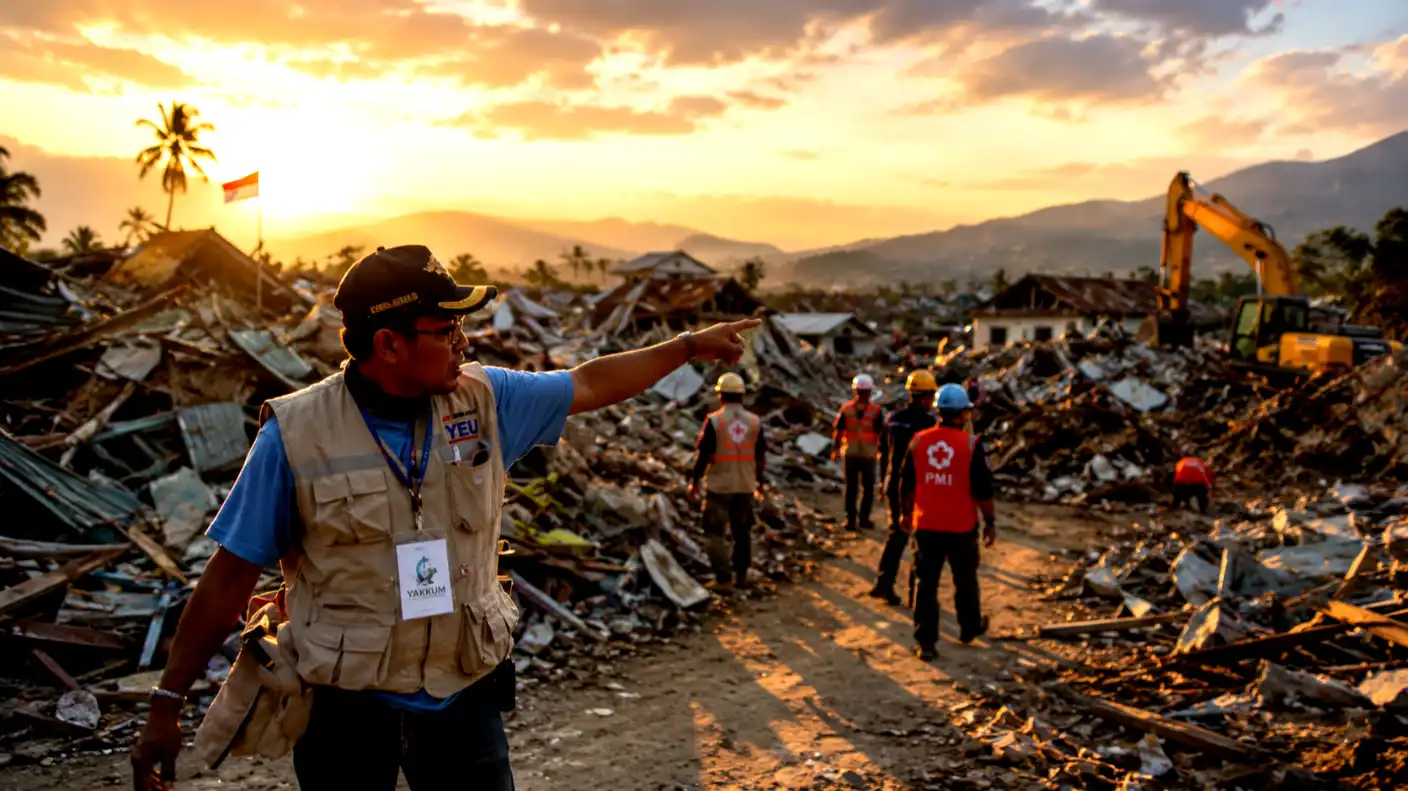
Severe climate events and shifting weather patterns are preparing to trigger a massive financial realignment on a global scale. According to a groundbreaking report from Bloomberg Intelligence, released on Wednesday, June 3, 2026, spending on extreme weather will likely exceed $20 trillion over the next decade. This multi-trillion-dollar capital wave will flood into climate adaptation, disaster mitigation, and green energy infrastructure. While this transition represents a massive financial burden for taxpayers, it is simultaneously creating an unprecedented growth engine for specialized engineering, utility, and reinsurance companies that build the physical defenses necessary to protect modern civilization from climate-related shocks.
The financial markets are already reflecting this massive shift in capital, with climate adaptation and mitigation companies significantly outperforming the broader market. Analysts Andrew John Stevenson and Eric Kane tracked a specialized index of 275 companies focused entirely on environmental adaptation and resilience. Their research shows that this group of businesses beat the broader stock market by almost 32 percentage points in the twelve months ending April 19, 2026. This stark performance gap proves that institutional investors are rapidly reorganizing their portfolios, shifting capital away from traditional industries and toward firms that actively help cities and corporations survive extreme weather.
Several key corporations are emerging as major winners in this newly established climate adaptation economy. The report specifically highlighted the specialized engineering and defense contractor BWX Technologies Inc., the Bermuda-based global reinsurer RenaissanceRe Holdings Ltd., the aerospace component maker Woodward Inc., and the infrastructure service provider Dycom Industries Inc. These companies provide essential technical solutions, ranging from nuclear power components and localized flood defenses to high-capacity telecommunications and utility line restoration. As cities and private utilities scramble to upgrade their aging grids and protect physical assets, order books for these specialized firms are expanding at an unprecedented rate.
This massive spending wave is an urgent response to the skyrocketing physical costs of environmental disasters. Stevenson and Kane calculated that global economic damages from extreme weather events reached a staggering $1.4 trillion last year alone. This massive toll is equivalent to roughly 1.2% of the world’s total gross domestic product, representing a substantial drag on global economic growth. As severe convective storms, wildfires, and flash floods become more frequent and more intense, they are destroying physical infrastructure, disrupting business supply chains, and eroding accumulated wealth, forcing governments and corporations to invest in resilience simply to survive.
The physical reality of this crisis is particularly stark in the United States, which has emerged as one of the most disaster-prone regions in the developed world. Last year, the U.S. experienced 23 separate weather events that each caused at least $1 billion in damages, marking the third-highest annual total on record, according to data from research nonprofit Climate Central. These events are no longer isolated anomalies but a constant, systemic challenge. From devastating convective storms in the Midwest to persistent wildfires across the West, these disasters are systematically eroding local infrastructure, forcing a massive re-evaluation of how communities design and build homes and public facilities.
While specialized corporations are reaping significant profits from this climate-resilience spending spree, other segments of the global economy are bearing the brunt of these escalating costs. The report identified local municipalities and ordinary consumers as the most financially exposed groups. As local governments scramble to rebuild coastal sea walls, upgrade drainage systems, and harden electrical grids, they must dedicate an ever-growing share of their tax revenues to adaptation. This leaves less money for public education, transport, and healthcare, thereby lowering the quality of public services while increasing the local tax burden on households.
This fiscal strain is also creating major, long-term risks for sovereign and state credit ratings. The report warned that federal disaster recovery support could soon fall to levels that jeopardize emergency “rainy-day” funds in 26 U.S. states. When a natural disaster strikes, state and local governments must quickly deploy substantial capital to carry out rescue and recovery operations. If their cash reserves are depleted, they must issue high-yield emergency debt, potentially exerting severe downward pressure on their municipal credit ratings. This financial vulnerability threatens to drive up borrowing costs for local schools and public transit projects, creating a highly volatile fiscal environment.
For everyday consumers, the most immediate and painful manifestation of this climate crisis is the rapid, relentless rise in property insurance costs. The report noted that insurance premiums have risen at an annual rate of 7 percentage points faster than inflation since 2017, as extreme weather events have become increasingly expensive to underwrite. This trend has created vast “uninsurable areas” in high-risk zones across California, Florida, and southern Europe, where commercial insurers are withdrawing coverage entirely. This massive insurance protection gap is redirecting billions of dollars of household income away from productive consumer spending and toward high-premium defensive coverage, acting as a quiet drag on the broader economy.
In the end, the analysis proves that the global economy has entered a new, highly volatile era defined by climate adaptation. The projected $20 trillion in global spending over the next decade is not a discretionary luxury but a mandatory survival cost to protect global prosperity from the escalating impacts of natural disasters. While this massive transition will continue to squeeze municipal budgets and household incomes, it is simultaneously creating a highly lucrative, long-term opportunity for the companies building tomorrow’s physical defenses. The firms that successfully help the world adapt to this era of extreme weather will likely remain the most prized assets in global financial markets for decades to come.