

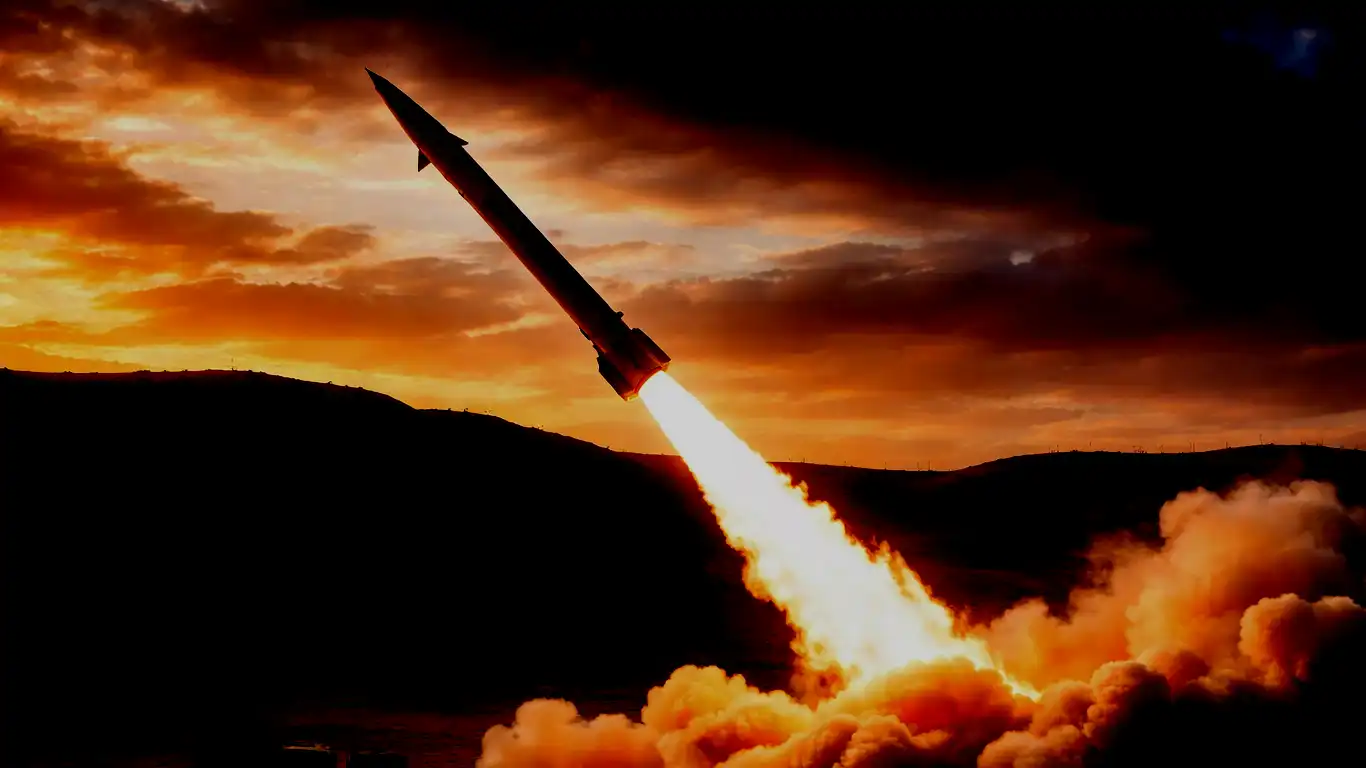
The fragile peace in the Middle East faces its most severe test yet after a dramatic exchange of heavy fire between American and Iranian forces. On Wednesday, June 3, 2026, the military conflict between the two nations escalated sharply, threatening to collapse a tenuous ceasefire that had mostly held since early April. This sudden surge in violence represents the most intense fighting the Persian Gulf has seen in months, erupting at a highly sensitive moment when international diplomatic efforts to finalize a permanent peace deal appear completely deadlocked. Despite the heavy exchanges of ballistic missiles, drone attacks, and preemptive air raids, U.S. Central Command announced that the bilateral ceasefire remains technically in place. However, troops on both sides of the Gulf are operating on high alert.
The rapid escalation began with a high-stakes maritime confrontation near Iran’s coast. According to military reports, the U.S. Navy intercepted and disabled an empty commercial oil tanker, known as the Lexi, which American officials accused of attempting to breach the ongoing U.S. naval blockade. The U.S. military stated that the Lexi was actively heading toward Iran’s Kharg Island, a massive energy export hub, to load a cargo of crude oil. By disabling the tanker, the U.S. sent a clear and aggressive signal that it intends to strictly enforce its economic blockade, regardless of the fragile peace negotiations underway behind closed doors.
Tehran wasted no time in executing its response to the tanker’s disabling. Iranian forces launched several explosive, one-way-attack drones targeting civilian merchant ships trying to navigate the busy shipping lanes of the Persian Gulf. U.S. defense officials confirmed that these drone deployments posed an immediate, lethal threat to civilian mariners in international waters. In response to the incoming threats, U.S. Navy warships and fighter aircraft quickly scrambled to protect the commercial vessels, successfully tracking and shooting down three of the hostile Iranian drones before they could strike their targets or disrupt commercial maritime traffic.
To prevent further drone launches and secure the shipping lanes, the U.S. military quickly launched a series of preemptive self-defense strikes. American fighter jets targeted and destroyed several military installations on Qeshm Island, which sits directly at the narrow mouth of the strategic Strait of Hormuz. Qeshm Island serves as a vital military outpost for the Islamic Revolutionary Guard Corps, giving Tehran physical control over ships’ movements through the critical energy corridor. The U.S. precision airstrikes directly targeted the ground control stations that Iranian operators were using to direct the attack drones, temporarily disabling the base’s launch capabilities.
Following the destruction of its Qeshm Island base, Iran launched a massive retaliatory strike, firing several heavy ballistic missiles at neighboring countries that host American military forces. The Islamic Revolutionary Guard Corps targeted key military bases in both Kuwait and Bahrain, marking a significant and highly dangerous escalation in the scope of the conflict. The missile launches triggered air raid sirens across both Gulf nations, forcing thousands of American service members and local civilians to scramble into concrete bomb shelters as the threat of an imminent missile impact loomed.
Despite the high volume of Iranian ballistic missiles, air defense networks successfully prevented any catastrophic impacts. U.S. Central Command confirmed that none of the Iranian missiles managed to hit their intended targets. Of the missiles fired at Kuwait, two fell short of their targets or broke apart mid-flight, crashing harmlessly into the desert. Meanwhile, joint U.S. and Bahraini air defense forces successfully intercepted three ballistic missiles targeting the capital of Bahrain, where the U.S. Navy’s Fifth Fleet headquarters is located. Thanks to these rapid-response defense networks, U.S. officials reported zero casualties and no damage to military assets.
The sudden flare-up in military hostilities has dealt a severe blow to international peace negotiators, who just days ago claimed that a comprehensive peace deal was close to completion. Diplomatic sources in the region report that negotiations between Washington and Tehran have stalled over the past week, primarily due to deep-seated mistrust and conflicting demands regarding the reopening of the Strait of Hormuz. While U.S. President Donald Trump has publicly insisted that talks remain ongoing and that he expects a final agreement over the coming week, the Iranian government has refused to confirm these claims, keeping energy markets and international investors in a state of high anxiety.
Compounding these diplomatic hurdles is the volatile situation in neighboring Lebanon, where Israel’s military campaign has become a major sticking point in the U.S.-Iran negotiations. While Lebanon recently announced a partial ceasefire between Israel and the Iran-backed militant group Hezbollah, sporadic clashes continue to threaten the peace. On Tuesday, the Israeli military confirmed that its defenses had intercepted two projectiles fired from Lebanese territory, showcasing the fragile nature of the local truce. Because Tehran views Hezbollah as its most vital regional partner, Iranian negotiators have insisted that any deal with the U.S. must include a complete and permanent halt to Israel’s military operations in Lebanon.
As the Persian Gulf settles into a tense, heavily armed quiet following this latest exchange of fire, the path forward remains highly unpredictable. While U.S. Central Command insists that the fragile ceasefire technically remains ongoing, both militaries are clearly operating on a hair-trigger. With the Strait of Hormuz heavily mined and warships from multiple nations patrolling the shipping lanes, the risk of a minor tactical error or another blockade breach triggering an all-out regional war is higher than ever. Until negotiators can successfully bridge the gap between Washington’s strict enforcement of the blockade and Tehran’s regional defense demands, the Persian Gulf will remain the world’s most dangerous economic and military flashpoint.















